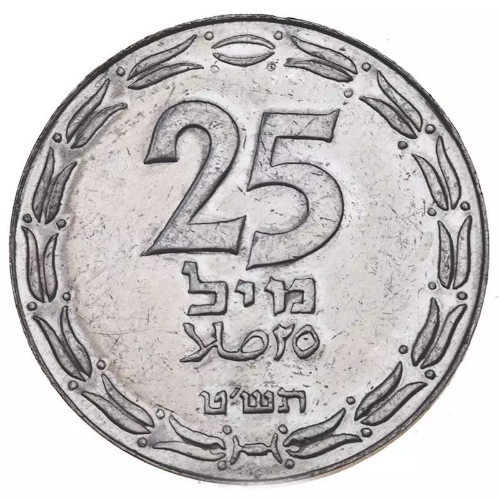
State of Israel
14 May 1948
Hebrew year: 5708 (ה׳תש״ח)
Open on the interactive timeline
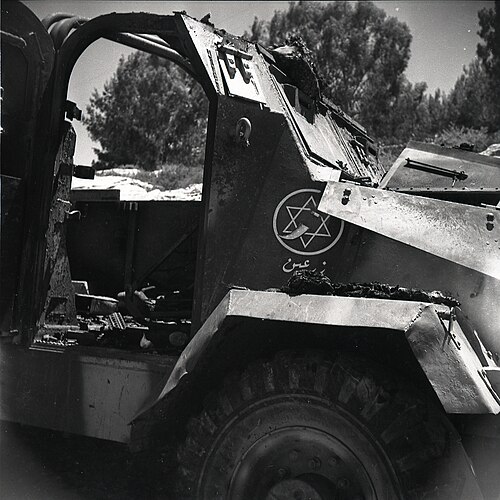
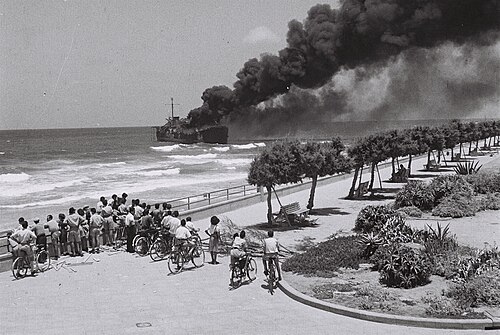
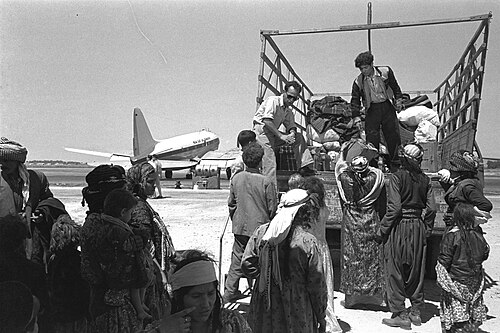
The State of Israel was declared on May 14, 1948, by David Ben-Gurion in the Tel Aviv Museum on Rothschild Boulevard, as the British Mandate ended and following the UN Partition Plan of 1947. From a Jewish perspective, this marked the restoration of Jewish sovereignty in the Land of Israel after nearly two thousand years without an independent Jewish state. Immediately after independence, Israel was invaded by the armies of Egypt, Transjordan, Syria, Iraq and Lebanon in the 1948 Arab–Israeli War, but survived and established itself as a new nation. The state became a refuge for Holocaust survivors and for Jews expelled or fleeing from Arab and Muslim countries.
Israel's history since 1948 has included wars, immigration waves, territorial changes, peace treaties, and ongoing conflict with neighboring states and with armed groups such as the PLO, Hamas and Hezbollah. Major moments include the Six-Day War of 1967, when Israel captured East Jerusalem, Judea and Samaria/West Bank, Gaza, Sinai, and the Golan Heights; the Yom Kippur War of 1973; peace with Egypt in 1979 and Jordan in 1994; and continuing debates over security, borders, religion, democracy, and identity. The State of Israel represents the modern return of Jewish political independence, the revival of Hebrew as a national language, and the central stage of Jewish history in the modern era.
- Hebrew year
- 5708 (ה׳תש״ח)
- Place
- Tel Aviv
- Category
- Major events
- Part of
- State of Israel
At the same time
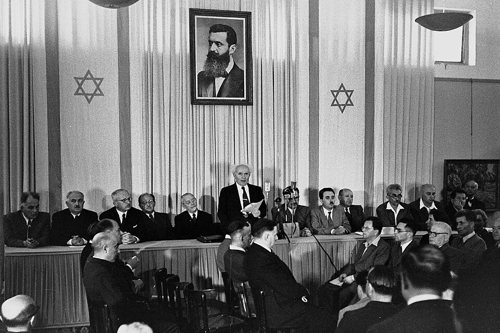 David Ben-Gurion14 May 1948 – 1954
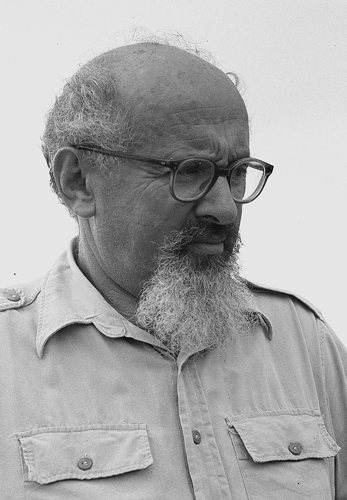 Yitzhak Sadeh1890 – 1952
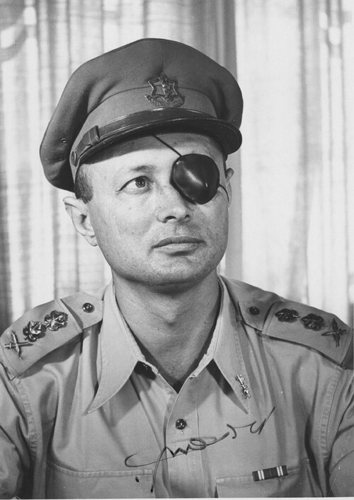 Moshe Dayan1915 – 1981
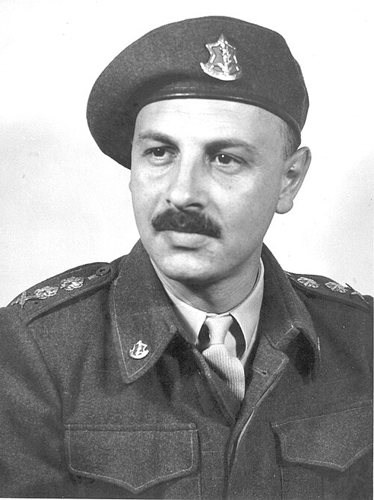 Yigael Yadin1917 – 1984
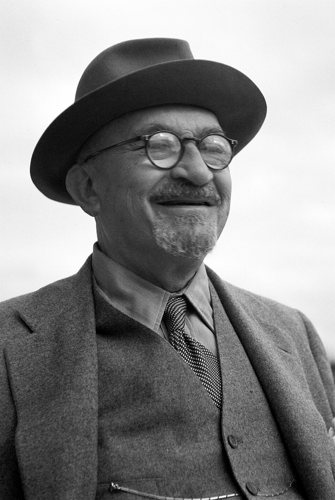 Chaim Weizmann1874 – 1952
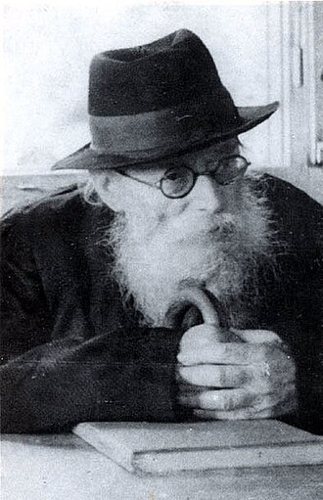 Chazon Ish1878 – 1953
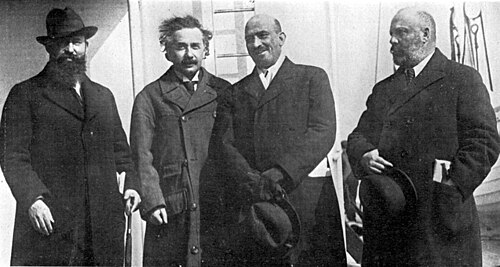 Albert Einstein1879 – 1955
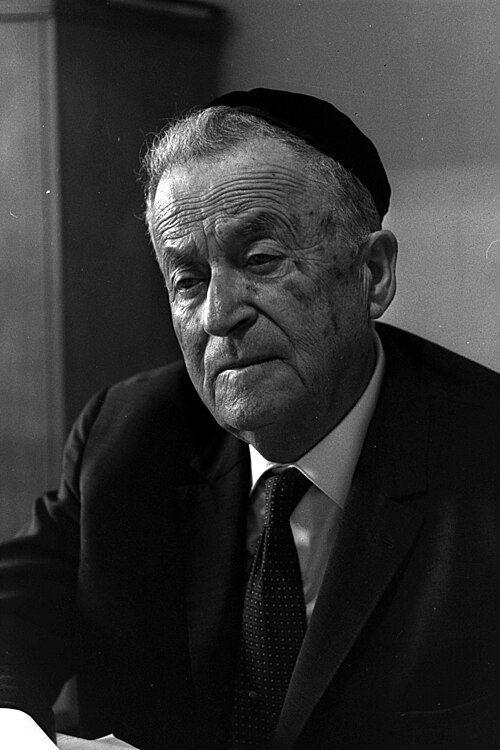 S. Y. Agnon1888 – 1970
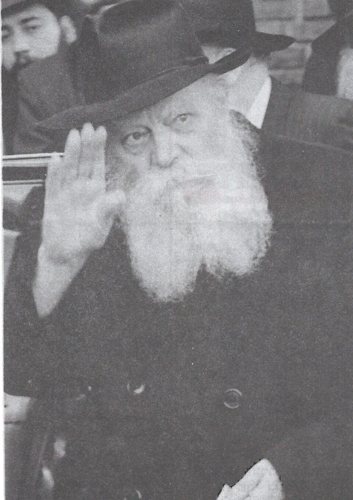 Rabbi Menachem Mendel Schneerson1902 – 1994
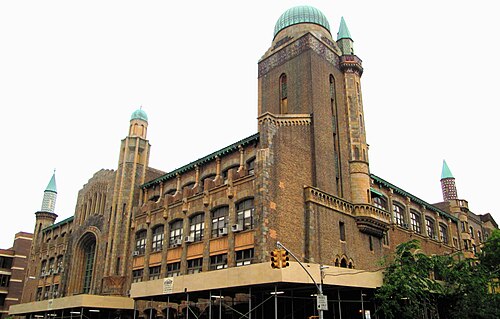 Rabbi Joseph B. Soloveitchik1903 – 1993