Sumer Civilization
−2200
Hebrew year: 1561 (א׳תקס״א)
Open on the interactive timeline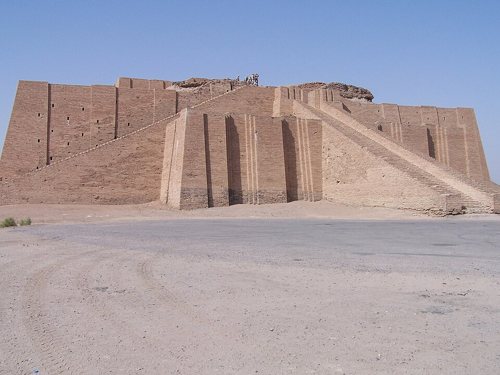
Sumer, was home to one particular city that arose called Ur. Thousands of clay tablets unearthed at the site revealed that Ur became a center of world trade, with a large cosmopolitan population. Furthermore, excavations at Ur revealed that its architects used the column, the arch, the vault, and the dome. Ur’s craftsmen produced exquisite jewellery, elaborately designed harps, and daggers with blades of pure gold. Its ziggurat temple is the best preserved of those found. The royal tombs of Ur yielded an abundance of objects including musical instruments such as the harp and a small steel axe that was also found.
It is thought that Ur, and thus the various Mesopotamian cities, had developed a social system including slaves, farmers, tradesmen, doctors, scribes, and priests. High-ranking priests apparently enjoyed great luxury and lived in mansions, and children were evidently taught writing and arithmetic.
In any case, the proximity to the Babel incident meant that this region of the world were some of the earliest peoples to advance their society, and their culture can found
- Hebrew year
- 1561 (א׳תקס״א)
- Place
- Ur
- Category
- Major events
- Part of
- Primeval History