Syro-Ephraimite War
−734
Hebrew year: 3183 (ג׳קפ״ג)
Open on the interactive timeline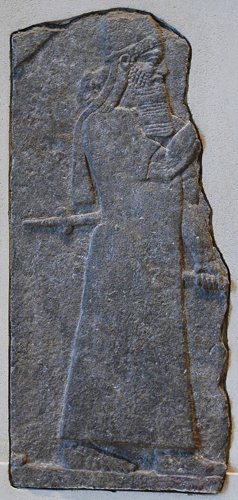
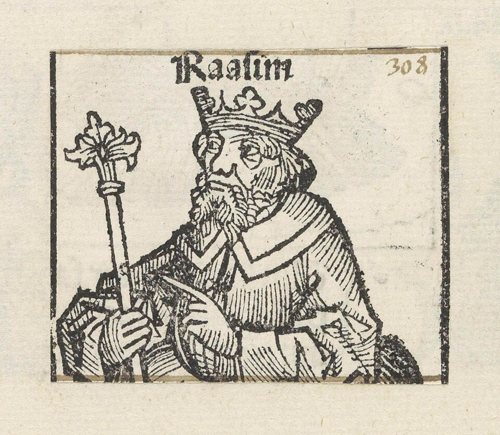
Around −734, Rezin of Aram-Damascus and Pekah of Israel (called "Ephraim" by the prophets) marched on Jerusalem to depose King Ahaz, who had refused to join their coalition against Assyria, and to enthrone a puppet, "the son of Tabeel" (Isaiah 7:6). They besieged the city but could not take it, while Elath on the Red Sea was lost to Aram and Edom (2 Kings 16:6). 2 Chronicles 28 adds that Pekah marched 200,000 Judean captives to Samaria, where the prophet Oded persuaded the northerners to clothe and feed them and send them back to Jericho. Ignoring Isaiah's call to stay calm, Ahaz sent the Temple's silver and gold to Tiglath-pileser III with the message "I am your servant and your son."
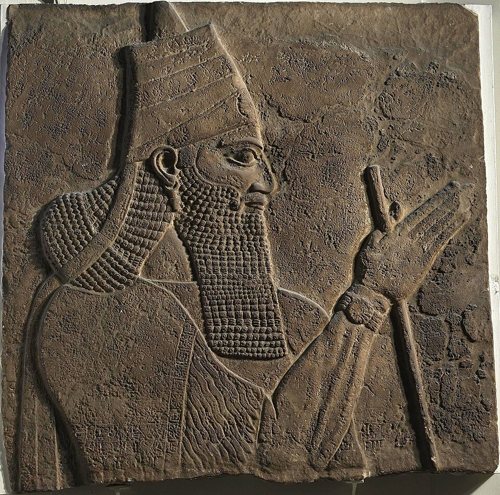
Assyria struck hard. Tiglath-pileser overran Galilee, Gilead and towns such as Hazor, Kedesh and Ijon and deported their people, the first Assyrian exile from Israel (2 Kings 15:29), then took Damascus and killed Rezin in −732. His own inscriptions boast that the Israelites overthrew Pekah and that he installed Hoshea in his place. Judah survived, but as an Assyrian vassal. The crisis is the setting of Isaiah's Immanuel prophecy (Isaiah 7–8).
- Hebrew year
- 3183 (ג׳קפ״ג)
- Place
- Jerusalem
- Category
- Wars & battles
- Part of
- Israel & Judah
Read the text
- 2 Kings 16:5–9 · Hebrew and English on Sefaria
- Isaiah 7 · Hebrew and English on Sefaria
At the same time
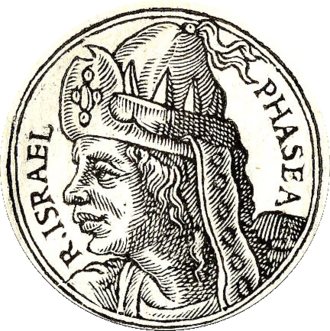 King Pekah (Israel)−740 – −732
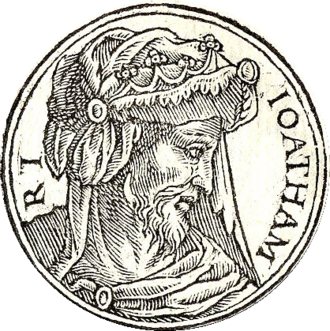 King Jotham (Judah)−740 – −732
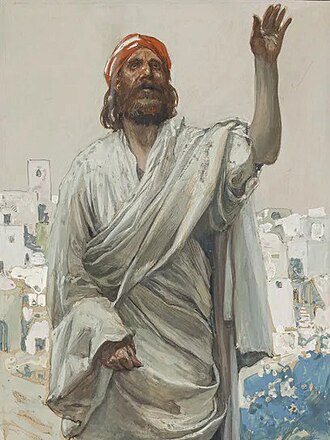 Prophet Hosea (Israel)−760 – −722
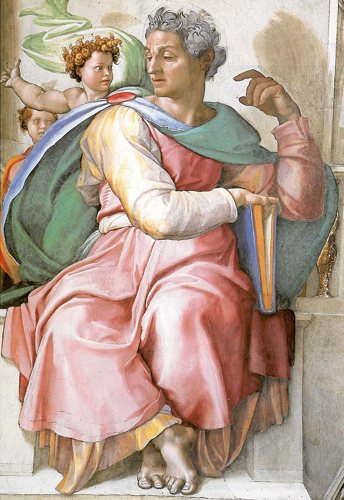 Prophet Isaiah (Judah)−740 – −680
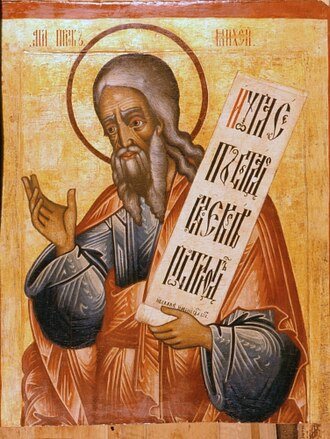 Prophet Micah (Judah)−735 – −700