Tosefta
250
Hebrew year: 4010 (ד׳י׳)
Open on the interactive timeline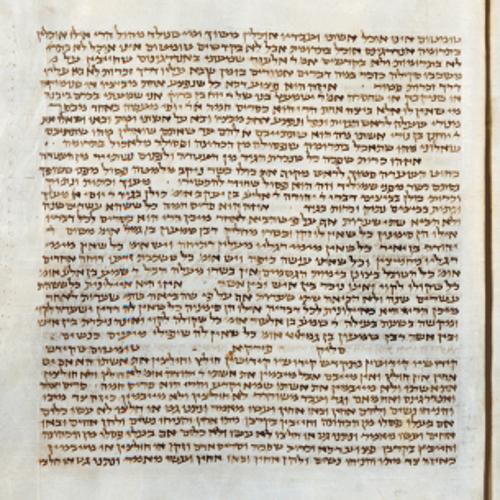
The Tosefta (Aramaic for "supplement") is a collection of Tannaitic law arranged, like the Mishnah, in six orders with almost the same tractates; only Avot, Tamid, Middot and Kinnim have no Tosefta. It is much longer than the Mishnah and holds parallel versions, additional cases, explanations and stories. Following Rav Sherira Gaon, tradition attributes it to Rabbi Hiyya and Rabbi Oshaya, students of Rabbi Yehudah HaNasi, and it was edited in the Land of Israel in the 3rd century. Tosefta Berakhot 1 opens, like the Mishnah, with the time for the evening Shema, but answers differently: from when people go in to eat their bread on Sabbath eve.
Many Tosefta passages appear in the Talmuds as baraitot, Tannaitic teachings "outside" the Mishnah, and comparing the two shows how the law was debated before Rabbi Yehudah HaNasi's edition. Scholars still argue whether the Tosefta comments on the Mishnah or preserves an independent, sometimes older, layer. Saul Lieberman's edition and commentary, Tosefta Ki-Fshutah, is the standard modern work.
- Hebrew year
- 4010 (ד׳י׳)
- Category
- Books, scripts & languages
- Part of
- Roman Rule
Read the text
- Tosefta Berakhot 1 · Hebrew and English on Sefaria