The Western Wall (Kotel)
−19
Hebrew year: 3742 (ג׳תשמ״ב)
Open on the interactive timeline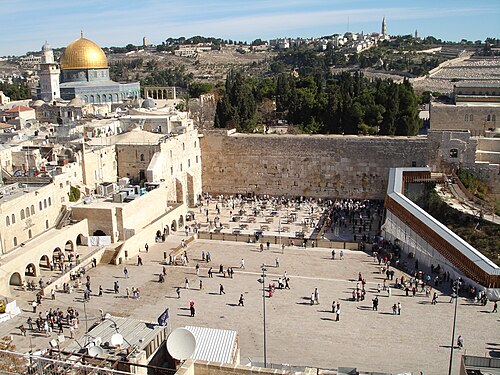
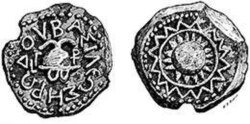
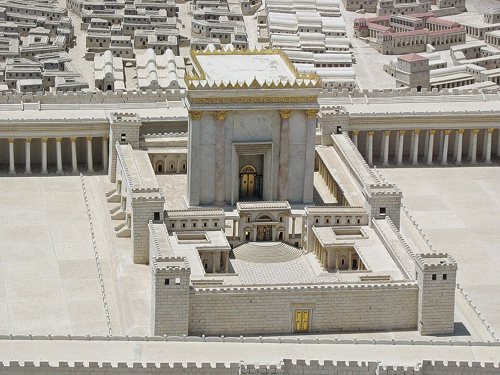
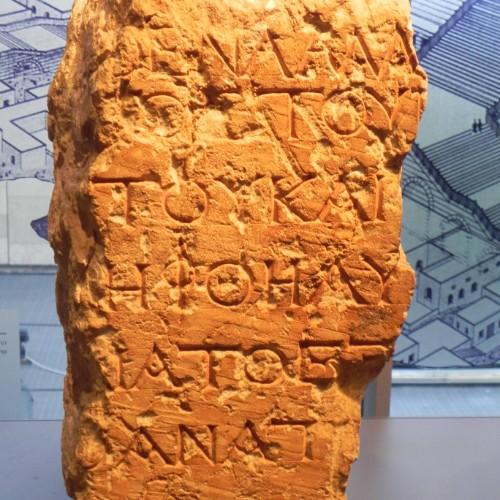
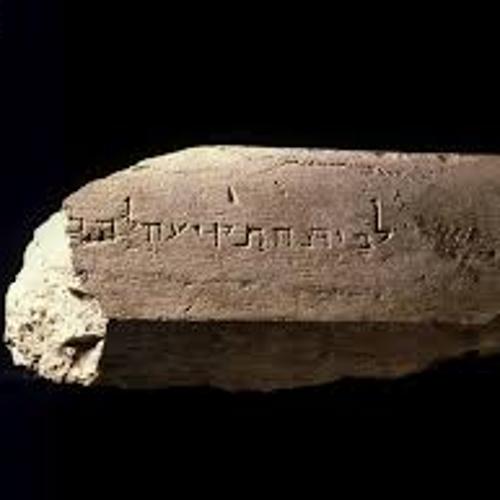
The Western Wall is part of the retaining wall Herod built from about −19 to double the platform of the Temple Mount for his rebuilt Temple (Josephus, Antiquities 15.380–425). The wall runs some 488 metres, most of it hidden behind later buildings and in the tunnels beside it; its lowest courses are huge ashlars with carefully drafted margins, one of them about 13.6 metres long. Coins of the governor Valerius Gratus found beneath it in 2011 show the work was still going on years after Herod's death. When the Romans destroyed the Temple in 70, this wall of the Mount survived.
The Midrash taught that "the Divine Presence never moves from the western wall" (Exodus Rabbah 2:2), and the Kotel became the holiest place where Jews could pray. Under Ottoman and British rule Jews prayed in a narrow alley, and quarrels over their right to bring benches or a partition screen preceded the riots of 1929. From 1948 Jordan held the Old City and no Jew could reach it, until paratroopers took it on 7 June 1967 and Rabbi Shlomo Goren sounded the shofar.
- Hebrew year
- 3742 (ג׳תשמ״ב)
- Place
- Jerusalem
- Category
- Archaeology
- Part of
- Roman Rule
Read the text
- Exodus Rabbah 2:2 · Hebrew and English on Sefaria
- Song of Songs Rabbah 2:9 · Hebrew and English on Sefaria