Xerxes the Great (Persia)
−474 · until −465
Hebrew year: 3392 (ג׳שצ״ב)
Open on the interactive timeline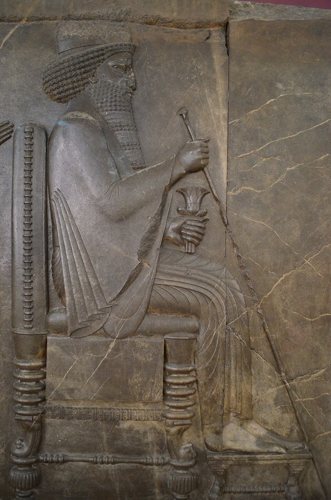
Xerxes I, also known as Xerxes the Great, was a king of the Persian Achaemenid Empire and the son of Darius I. He ruled one of the largest empires in ancient history, stretching from Egypt and Anatolia to Mesopotamia, Persia, and parts of Central Asia. Xerxes is best known historically for his wars against Greece, including the famous battles of Thermopylae against the Sparthans and Salamis.
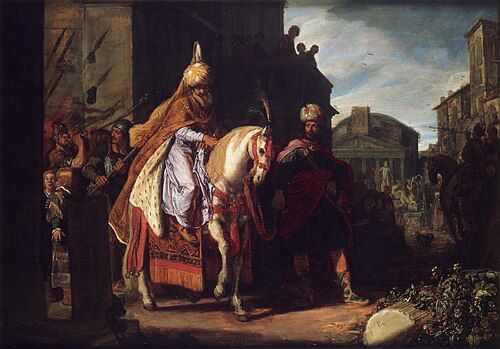
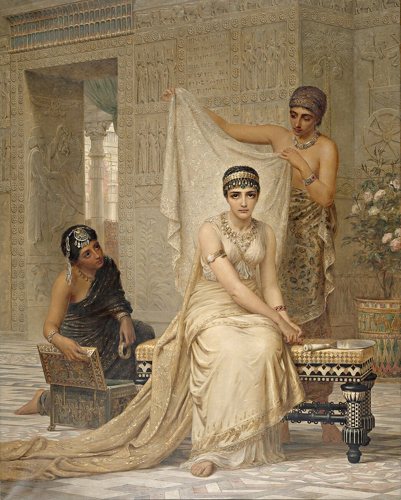
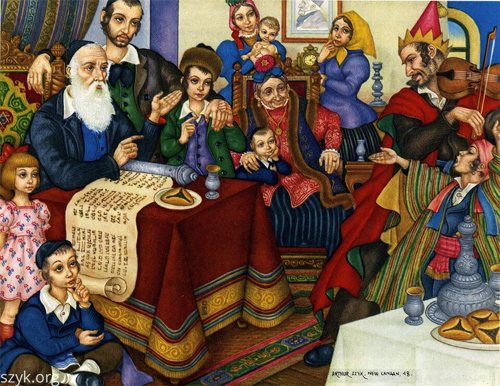
For Jewish history, Xerxes is important because he is commonly identified with King Ahasuerus in the Book of Esther. In the story, Ahasuerus rules from Shushan/Susa, the Persian royal city, and Esther becomes queen. Through Esther and Mordechai, the Jewish community of the Persian Empire is saved from Haman’s decree of destruction. This event becomes the origin of the holiday of Purim.
- Hebrew year
- 3392 (ג׳שצ״ב)
- Place
- Persepolis
- Category
- Foreign rulers & empires
- Part of
- Persian Period