Mordecai
−483 – −465
Hebrew years: 3395–3406 (ג׳שצ״ה–ג׳ת״ו)
Open on the interactive timeline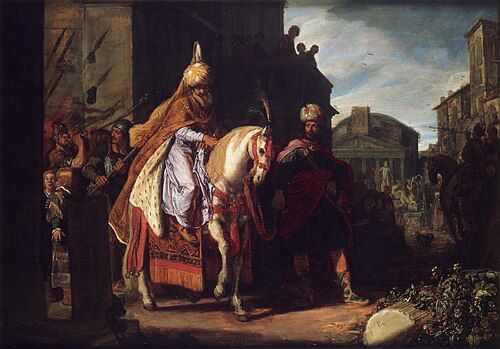
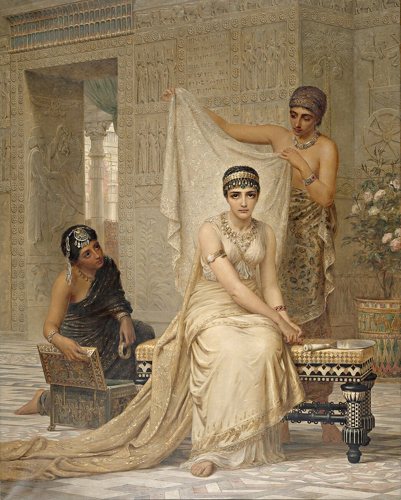
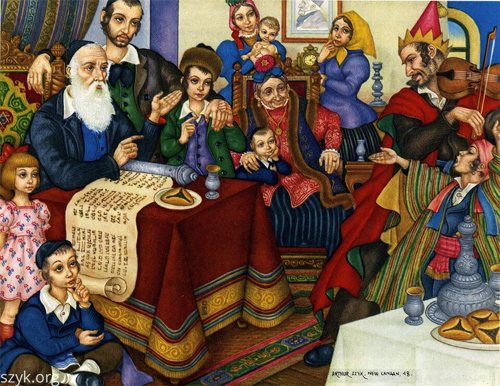
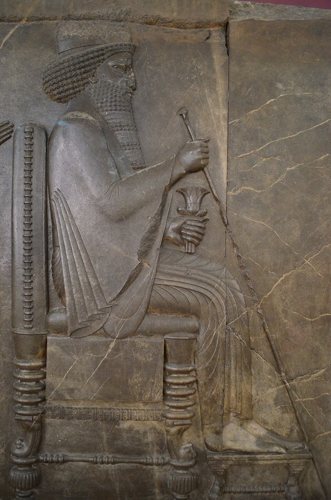
The Book of Esther introduces Mordecai son of Jair son of Shimei son of Kish, a Benjaminite in Shushan, the Persian capital, "who had been exiled from Jerusalem with Jeconiah king of Judah" (Esther 2:5–6). He raised his orphaned cousin Esther, who became queen of King Ahasuerus without revealing her people. At the king's gate he uncovered a plot by two eunuchs against the king. He refused to bow to the vizier Haman, who in revenge obtained a decree to destroy all the Jews of the empire on 13 Adar. Mordecai put on sackcloth and urged Esther to go to the king: "Who knows whether you have not come to royalty for such a time as this?" Haman was hanged on the gallows he had prepared for Mordecai, who received the king's ring and established Purim (Esther 9). The book ends with him "second to King Ahasuerus" (Esther 10:3).
The Talmud counts him among the men of the Great Assembly and reads him in "Mordecai Bilshan" of Ezra 2:2 (Menachot 65a); tradition takes Esther 2:6 to mean he himself was exiled with Jeconiah (−597, Hebrew year 3327).
- Hebrew years
- 3395–3406 (ג׳שצ״ה–ג׳ת״ו)
- Place
- Susa
- Category
- Patriarchs & Biblical Figures
- Part of
- Persian Period