Zohar
Mar 1290
Hebrew year: 5050 (ה׳נ׳)
Open on the interactive timeline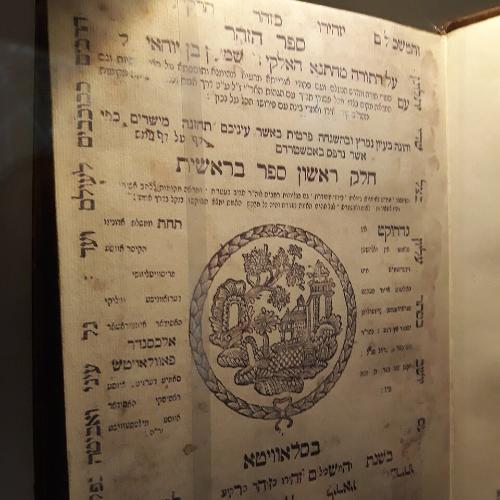
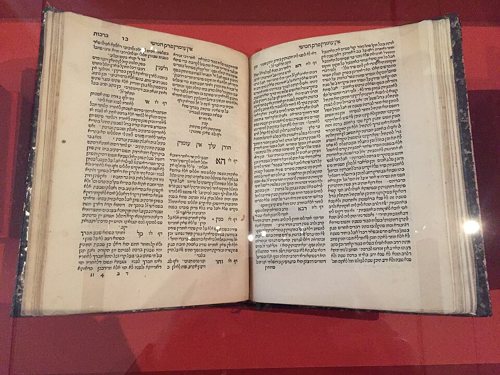
The Zohar ("Radiance") is the central work of Kabbalah. It is a vast mystical commentary on the Torah, written in an artificial Aramaic, that follows Rabbi Shimon bar Yochai and his companions as they wander the Galilee and expound the hidden meaning of Scripture. Its teaching is built around the ten sefirot, the Shekhinah (the divine presence), and the power of human deeds and prayer to repair the upper worlds. Tradition attributes it to Rabbi Shimon, who lived after the destruction of the Second Temple.
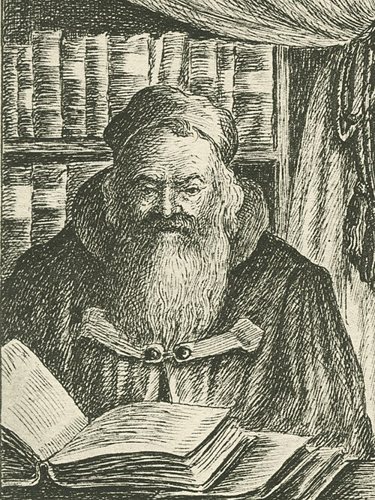
Historically it surfaced in Castile in the 1280s–1290s, circulated by Rabbi Moses de León of Guadalajara and later Ávila. Isaac of Acre recorded a report that de León's widow said he had written it himself. Gershom Scholem argued that de León was the author; scholars such as Yehuda Liebes see the work of a circle. It was printed in Mantua and Cremona in 1558–1560. The Zohar shaped Safed Kabbalah, Hasidism and Jewish prayer, and it stands behind the Lag BaOmer pilgrimage to Rabbi Shimon's tomb at Meron.
- Hebrew year
- 5050 (ה׳נ׳)
- Place
- Guadalajara
- Category
- Books, scripts & languages
- Part of
- Mamluk Period
Read the text
- Zohar, Bereshit 1:1 · Hebrew and English on Sefaria