al-Hakim bi-Amr Allah (Fatimid)
996 · until 1021
Hebrew year: 4756 (ד׳תשנ״ו)
Open on the interactive timeline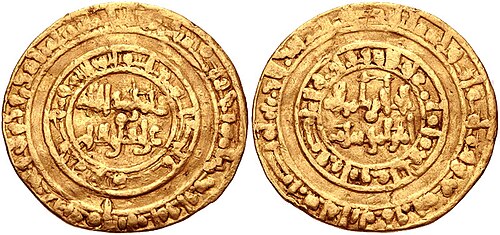
Al-Hakim bi-Amr Allah became the sixth Fatimid caliph in Cairo in 996, at the age of eleven, ruling Egypt, Syria and the Land of Israel. In the first decade of the 1000s he turned against the protected non-Muslims. Jews and Christians were ordered to wear black and to hang distinguishing signs from their necks, and were barred from riding horses and from keeping Muslim servants. In 1009 he ordered the destruction of the Church of the Holy Sepulchre in Jerusalem, and in the following years synagogues and churches across his lands were torn down. Many converted under pressure.
In his last years he reversed course: those who had been forced to convert were allowed to return to their faith, and houses of worship could be rebuilt. In February 1021 he rode out into the Muqattam hills outside Cairo and was never seen again; the Druze faith regards him as a manifestation of the divine. His persecution was an exception in a time when the Jews of Fustat flourished, but the destruction of the Holy Sepulchre was remembered in Europe among the grievances behind the Crusades.
- Hebrew year
- 4756 (ד׳תשנ״ו)
- Place
- Cairo
- Category
- Foreign rulers & empires
- Part of
- Early Islamic Period
At the same time
- Hai Gaon939 – 1038
- Rabbeinu Gershom960 – 1028
 Shmuel HaNagid993 – 1056
- Samuel ben Hofni Gaon920 – 1013
 Sherira Gaon906 – 1006
 (Rif) Rabbi Yitzḥak Alfasi1013 – 1103
 Solomon ibn Gabirol1021 – 1058