Artaxerxes I (Persia)
−445 · until −424
Hebrew year: 3316 (ג׳שט״ז)
Open on the interactive timeline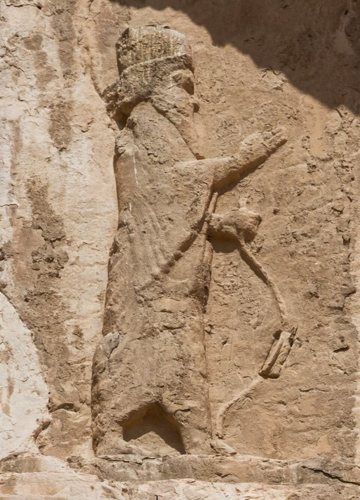
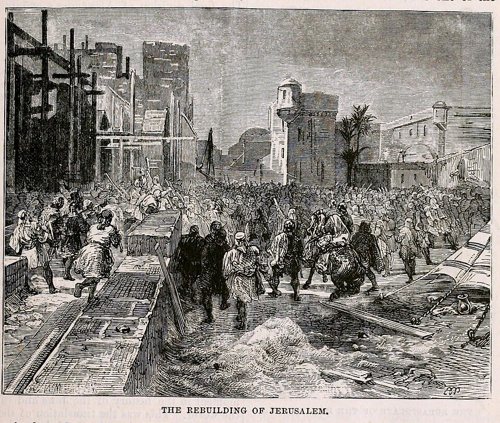
Artaxerxes I, son of Xerxes I, nicknamed Longimanus ("long-handed") by Greek writers, ruled the Persian Empire from Susa and Persepolis until his death in −424. The Bible knows him from two sides. In Ezra 4:7–23 he halts building work in Jerusalem after the officials Rehum and Shimshai warn him that the city had a history of rebellion. Then, in his twentieth year, −445, his Jewish cupbearer Nehemiah appears before him downcast in "Shushan the citadel" and asks to rebuild the city of his ancestors' graves. The king grants him leave, letters to the governors beyond the Euphrates, and timber from the royal forest (Nehemiah 1–2).
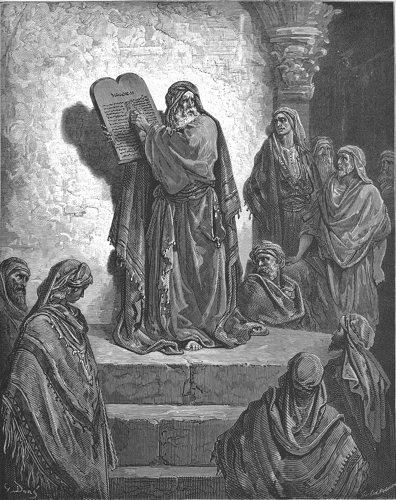
Ezra 7 also dates Ezra's mission to the seventh year of a king Artaxerxes, though scholars debate whether this was Artaxerxes I or II. Under his rule Judah, called Yehud, was a small tribute-paying province that kept its own Temple and laws, a model of Persian tolerance that let Jerusalem slowly recover as the religious center of the returned exiles.
- Hebrew year
- 3316 (ג׳שט״ז)
- Place
- Susa
- Category
- Foreign rulers & empires
- Part of
- Persian Period
At the same time
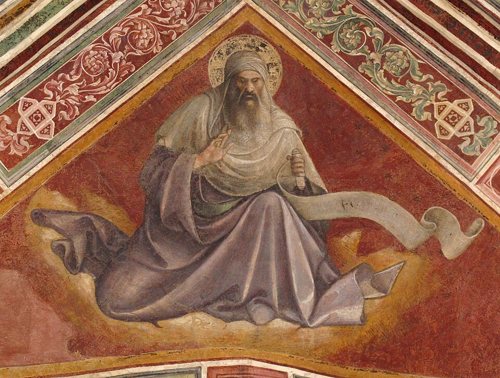 Prophet Malachi (Return Era)−450 – −430
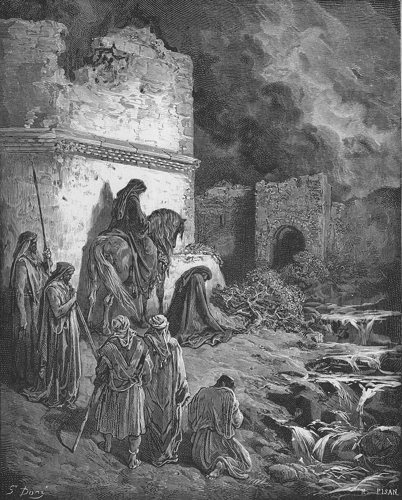 Governor Nehemiah−445 – −430
 Ezra (Priest & Scribe)−458 – −440