Battle of Megiddo
−609
Hebrew year: 3316 (ג׳שט״ז)
Open on the interactive timeline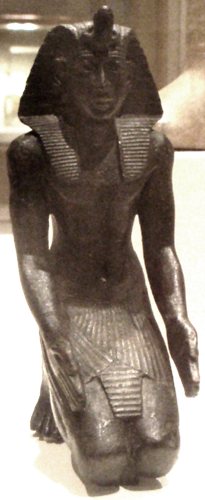
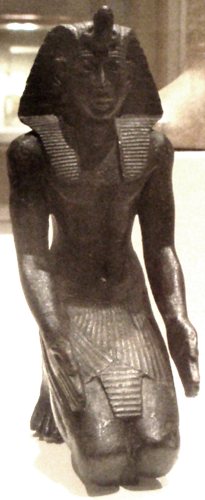
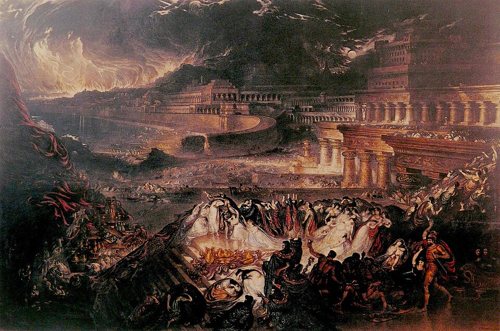
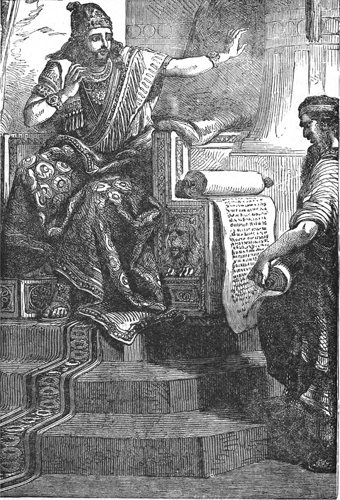
In −609, Pharaoh Necho II marched north along the coast to join the remnant of the Assyrian army at Harran against the rising Babylonians. King Josiah of Judah, then 39, went out to stop him at Megiddo, the fortress commanding the pass from the coastal plain into the Jezreel Valley. According to 2 Chronicles 35, Necho sent word that he had no quarrel with Judah, but Josiah disguised himself and fought; archers hit him, and his servants carried him in his chariot to Jerusalem, where he died. The Babylonian Chronicle confirms the Egyptian and Assyrian attempt on Harran that year.
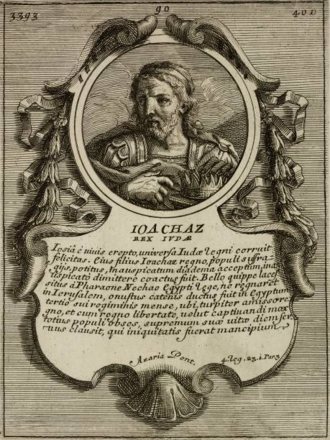
Josiah's death was a national trauma. Jeremiah composed laments for him, and "the mourning of Hadad-rimmon in the valley of Megiddon" (Zechariah 12:11) became proverbial for grief. His successors abandoned his reform, and the four kings after him, starting with his son Jehoahaz, deposed by Necho after three months, ruled for barely 23 years before Jerusalem fell. The Talmud (Taanit 22b) says his dying words were "The Lord is righteous, for I rebelled against his word." Megiddo's name lives on in Armageddon, from Har Megiddo, "the mount of Megiddo," in the Book of Revelation.
- Hebrew year
- 3316 (ג׳שט״ז)
- Place
- Megiddo
- Category
- Wars & battles
- Part of
- Israel & Judah
Read the text
- 2 Kings 23:29–30 · Hebrew and English on Sefaria
At the same time
 King Josiah (Judah)−640 – −609
 King Jehoahaz (Judah)−609
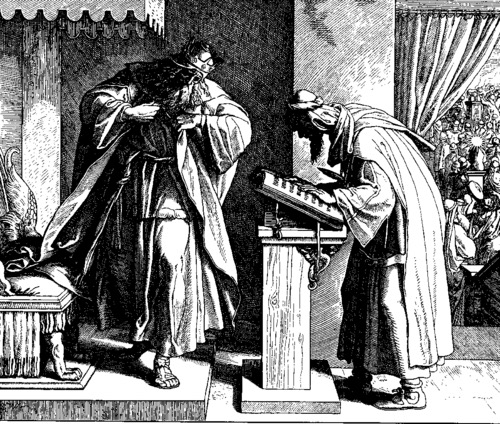 Hilkiah (High Priest)−640 – −609
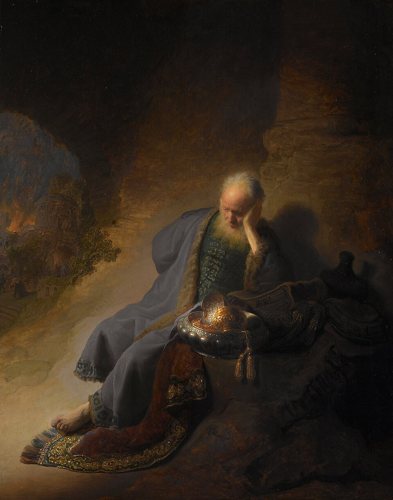 Prophet Jeremiah (Judah)−627 – −586
 Prophet Habakkuk (Judah)−610 – −600