Cairo Geniza
950
Hebrew year: 4710 (ד׳תש״י)
Open on the interactive timeline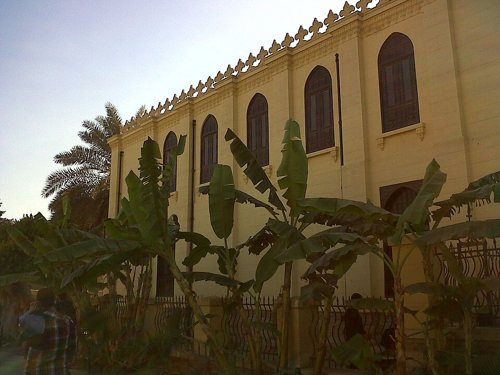
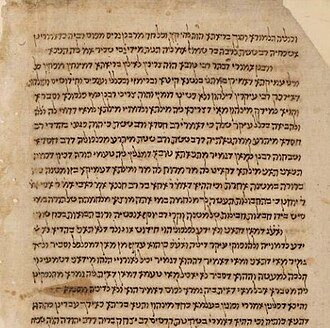
A geniza is a storeroom for worn-out writings that may contain the name of God, which Jewish custom forbids throwing away. The geniza of the Ben Ezra Synagogue in Fustat (Old Cairo) was never emptied. Thanks to the dry climate, some 300,000 to 400,000 manuscript fragments built up there over about a thousand years. In 1896 the Scottish twins Agnes Lewis and Margaret Gibson showed Solomon Schechter a leaf that turned out to be the lost Hebrew original of Ben Sira. Schechter then shipped about 190,000 fragments to Cambridge, where they form the Taylor-Schechter Collection.
The finds include the Damascus Document, known later from Qumran; the Khazar "Schechter Letter"; letters and drafts in the hand of Maimonides; letters by Yehuda HaLevi; and lost piyyutim of Yannai. Above all, there are thousands of everyday documents: merchants' letters, marriage contracts, court records and shopping lists. S. D. Goitein used them to write his five-volume A Mediterranean Society, a portrait of Jewish life around the medieval Mediterranean.
- Hebrew year
- 4710 (ד׳תש״י)
- Place
- Fustat (Old Cairo)
- Category
- Books, scripts & languages
- Part of
- Early Islamic Period