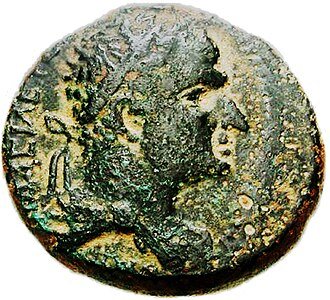
Caligula (Rome)
37 · until 41
Hebrew year: 3797 (ג׳תשצ״ז)
Open on the interactive timeline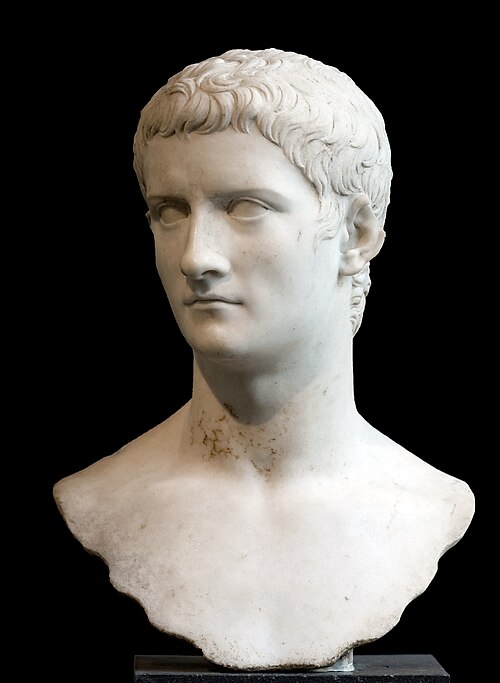
Gaius, called Caligula, emperor from 37 to 41, demanded worship as a god. In 38 the mob of Alexandria attacked the Jews, forced them into one quarter and set images of the emperor in their synagogues, and the philosopher Philo led an embassy of Alexandrian Jews to Rome to plead with him (On the Embassy to Gaius). When the Jews of Yavne tore down an altar to the emperor, Caligula ordered his statue set up in the Temple in Jerusalem. Publius Petronius, governor of Syria, marched south with two legions, but tens of thousands of Jews met him at Ptolemais and Tiberias, left their fields unsown and said they would sooner die than see the law broken (Josephus, Antiquities 18.261–309; War 2.184–203).
Petronius delayed and wrote to the emperor, and King Agrippa I pleaded with his friend in Rome. Caligula ordered Petronius to kill himself, but the emperor was murdered in January 41 and the news arrived first. The crisis brought Rome to the edge of war with the Jews a generation before the Great Revolt; his successor Claudius restored the rights of the Jews and made Agrippa king of all Judea.
- Hebrew year
- 3797 (ג׳תשצ״ז)
- Place
- Rome
- Category
- Foreign rulers & empires
- Part of
- Roman Rule
At the same time
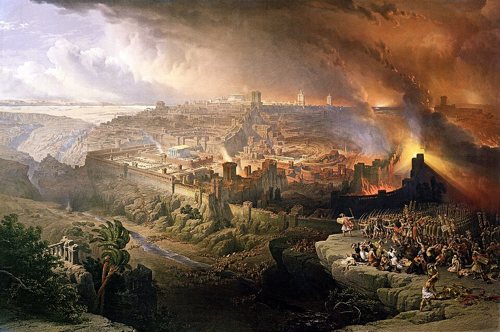 Eleazar ben Simon30 – 70
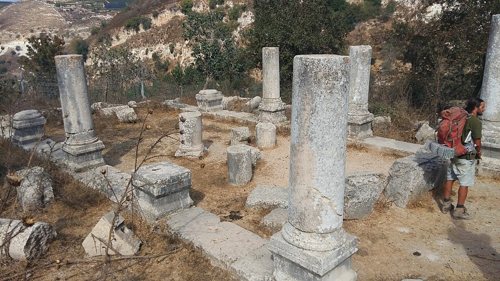 John of Giscala30 – 70
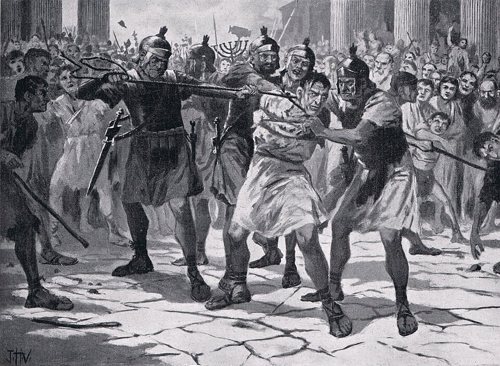 Simon bar Giora35 – 70
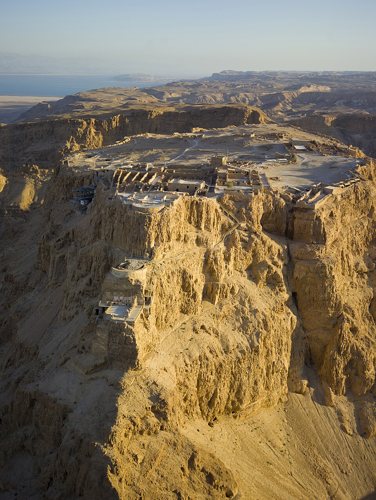 Eleazar ben Yair35 – 73
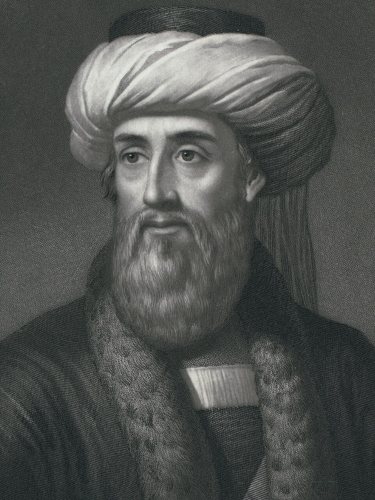 Flavius Josephus37 – 100
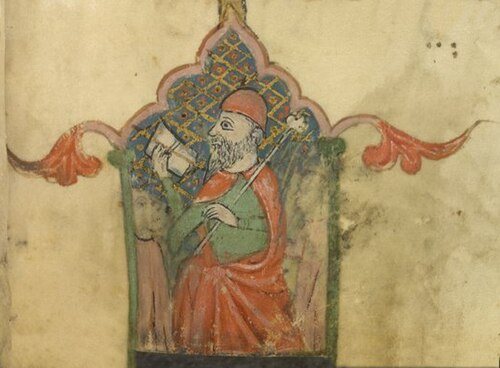 Rabban Gamliel HaZaken−10 – 50
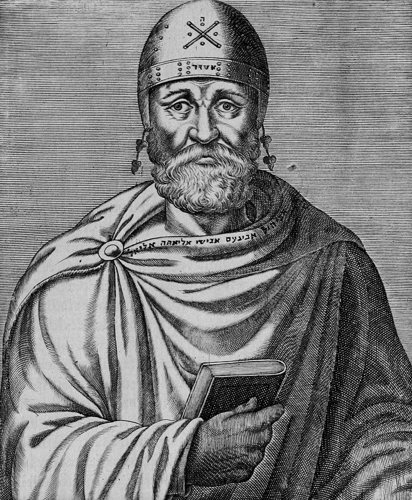 Philo of Alexandria20 – 50
 Rabban Yochanan ben Zakkai30 – 90
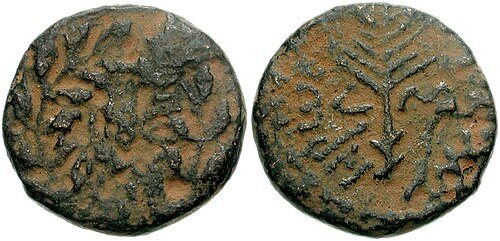 Herod Antipas (Galilee & Perea)−4 – 39
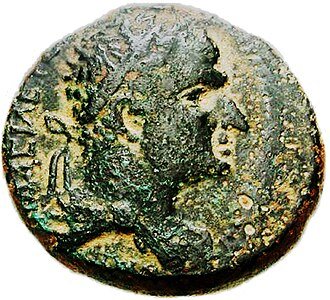 King Herod Agrippa I41 – 44