Great Soviet Aliyah
1989
Hebrew year: 5749 (ה׳תשמ״ט)
Open on the interactive timeline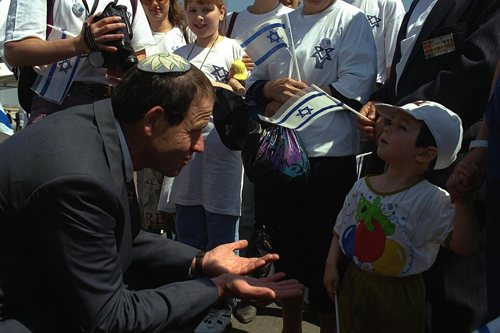
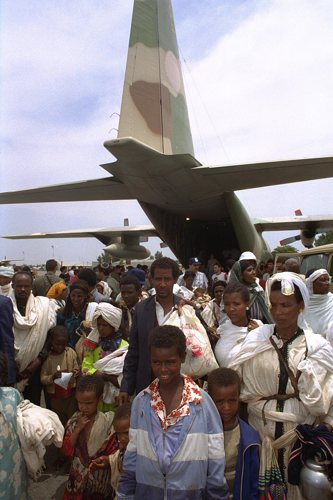
As Mikhail Gorbachev opened the Soviet Union's borders and the USSR collapsed, about a million Jews and their family members immigrated to Israel, most of them between 1989 and the end of the 1990s; some 185,000 arrived in 1990 alone. The United States had restricted refugee entry for Soviet Jews in 1989, so most came to Israel. They followed decades of struggle by refuseniks such as Natan Sharansky and a worldwide "Let My People Go" campaign. Israel's population of about 4.5 million grew by some 20 percent within a decade, and caravan sites and new neighborhoods went up to house them.
The newcomers were unusually highly educated: tens of thousands of engineers, scientists, doctors and teachers, and so many musicians that new orchestras were formed. They helped power Israel's high-tech boom of the 1990s and created Russian-language newspapers, the Gesher Theater (1991) and parties such as Sharansky's Yisrael BaAliyah and Avigdor Lieberman's Yisrael Beytenu. Many were eligible under the Law of Return without being Jewish under halakha, raising lasting debates over conversion.
- Hebrew year
- 5749 (ה׳תשמ״ט)
- Place
- Moscow
- Category
- Aliyah & return
- Part of
- State of Israel
At the same time
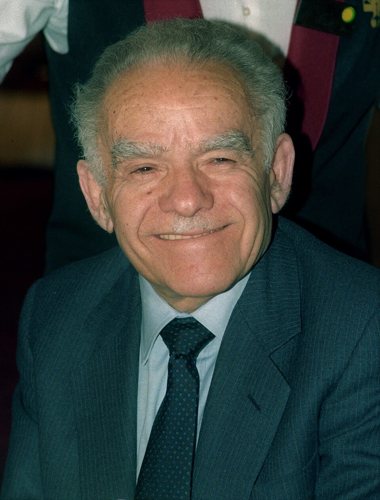 Yitzhak Shamir1986 – 1992
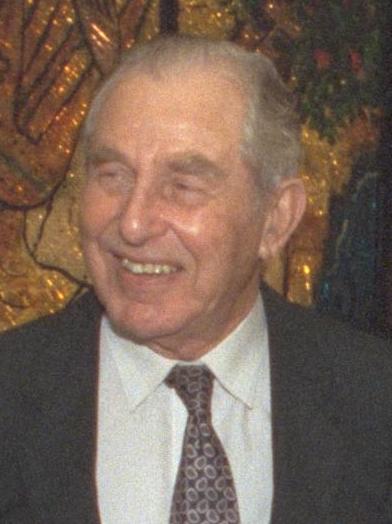 President Chaim Herzog5 May 1983 – 13 May 1993
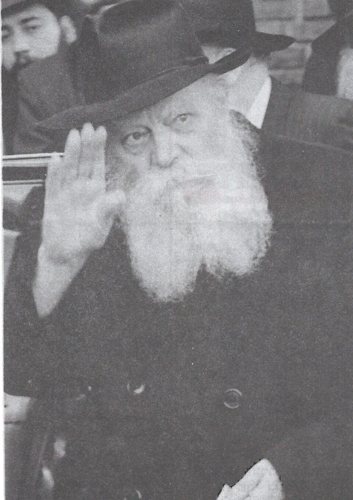 Rabbi Menachem Mendel Schneerson1902 – 1994
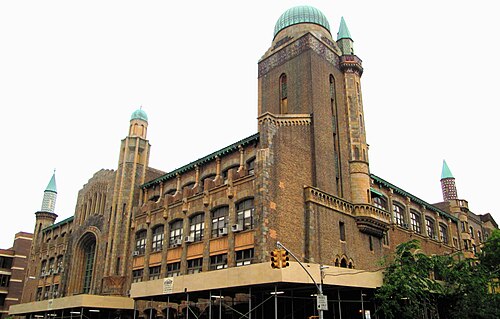 Rabbi Joseph B. Soloveitchik1903 – 1993
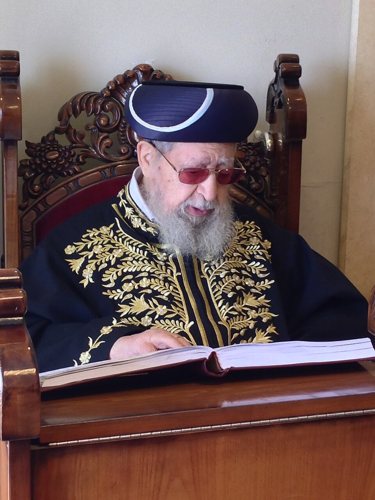 Rabbi Ovadia Yosef1920 – 2013