Judeo-Arabic
900
Hebrew year: 4660 (ד׳תר״ס)
Open on the interactive timeline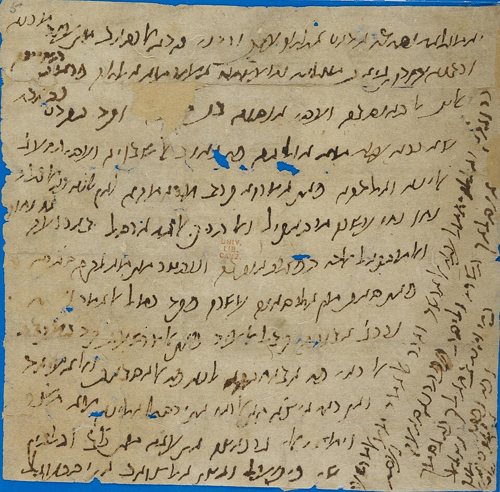
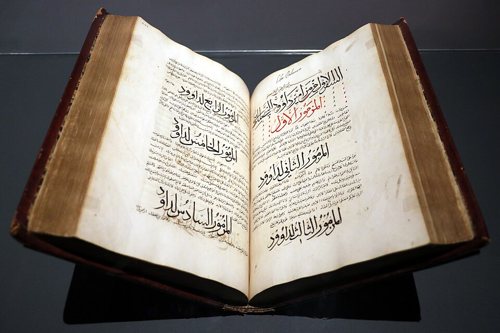
Judeo-Arabic is the Arabic of Jews, usually written in Hebrew letters and mixed with Hebrew and Aramaic words. After the Islamic conquests most Jews from Iraq to Spain spoke Arabic. By around 900 it had become a written language of Jewish learning, as well as of daily letters and contracts, most of which survive in the Cairo Geniza.
Some of the greatest Jewish books were written in it. Saadia Gaon wrote his Tafsir, an Arabic translation of the Torah, and The Book of Beliefs and Opinions. Bahya ibn Paquda wrote Duties of the Heart, Yehuda HaLevi the Kuzari, and Maimonides his Commentary on the Mishnah and Guide for the Perplexed. Many of these works reached European Jews through the Hebrew translations of the Ibn Tibbon family of Provence. Spoken Judeo-Arabic dialects survived in Morocco, Tunisia, Iraq and Yemen until those communities moved to Israel in the 20th century.
- Hebrew year
- 4660 (ד׳תר״ס)
- Category
- Books, scripts & languages
- Part of
- Early Islamic Period