Nimrod's Empire
−2300
Hebrew year: 1461 (א׳תס״א)
Open on the interactive timeline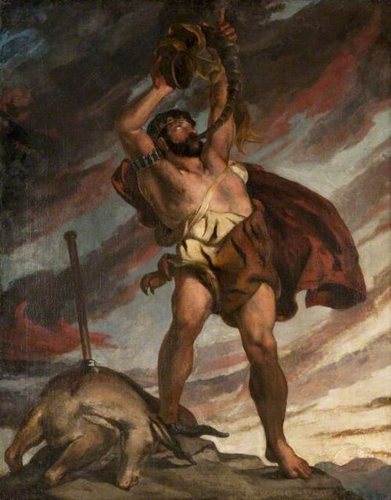
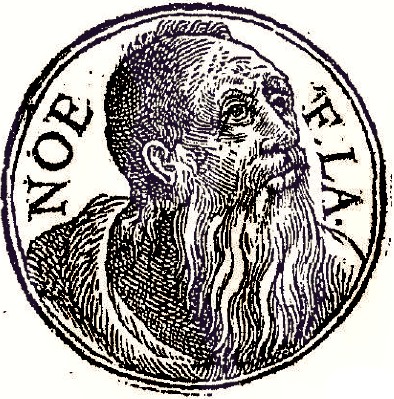
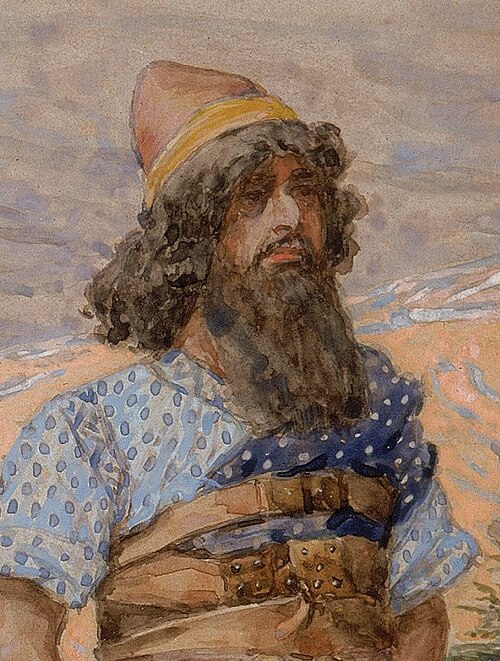
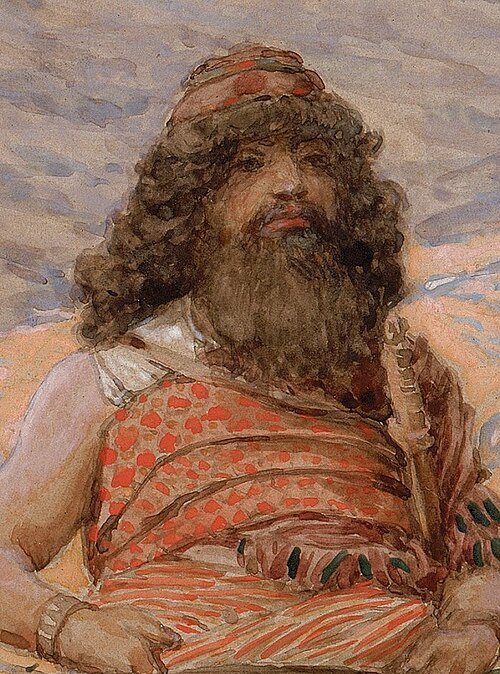
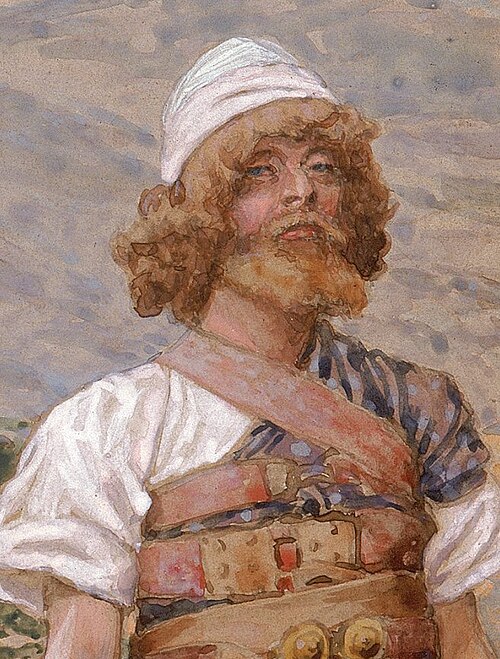
Genesis 10:8–12 calls Nimrod, son of Cush, "the first on earth to be a mighty man" and "a mighty hunter before the LORD". The beginning of his kingdom was Babel, Erech (Uruk), Accad and Calneh in the land of Shinar, southern Mesopotamia; from there, the text continues, came the building of Nineveh, Rehoboth-Ir, Calah and Resen in Assyria. The prophet Micah later calls Assyria "the land of Nimrod" (Micah 5), and the ruins of Calah are still called Nimrud.
Genesis never says outright that Nimrod built the Tower of Babel, but Jewish tradition made the link. Josephus (Antiquities 1.113–114) describes him as the tyrant who urged people to build the tower in defiance of God, and the Talmud (Eruvin 53a) explains his name from the Hebrew marad, "rebel", because he led the whole world in rebellion. The Midrash (Genesis Rabbah 38:13) has Nimrod throw the young Abraham into a fiery furnace in Ur. No inscription names Nimrod; scholars have compared him with Sargon of Akkad, whose empire, the first in Mesopotamia, arose around this date.
- Hebrew year
- 1461 (א׳תס״א)
- Category
- Major events
- Part of
- Primeval History
Read the text
- Genesis 10:8–12 · Hebrew and English on Sefaria