(Ramchal) Rabbi Moshe Chaim Luzzatto
1707 – 1746
Hebrew years: 5467–5506 (ה׳תס״ז–ה׳תק״ו)
Open on the interactive timeline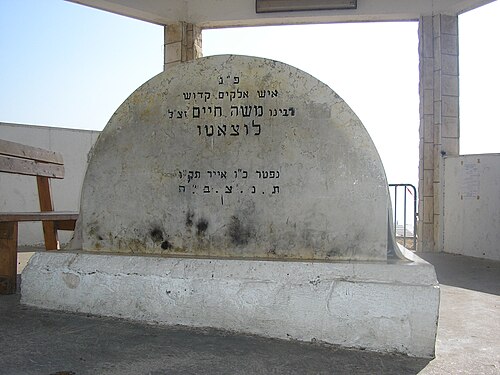
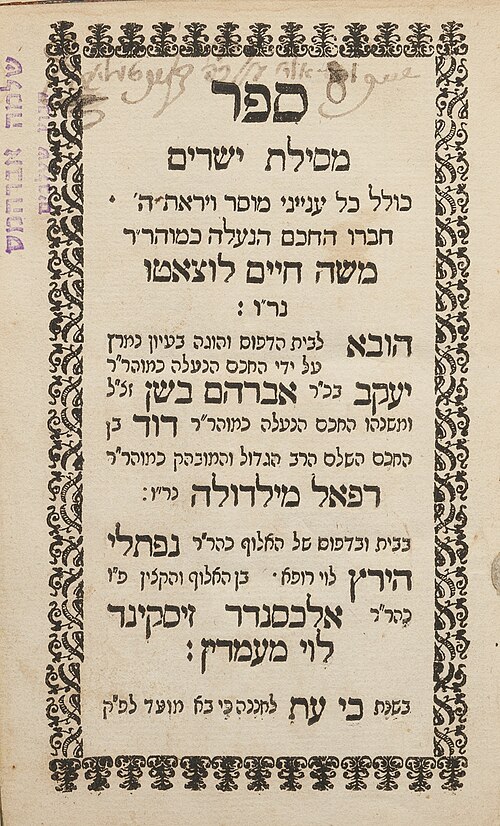
Rabbi Moshe Chaim Luzzatto, known as the Ramchal, was born in Padua in 1707 and studied Torah, Kabbalah, Latin and classical literature. In his early twenties he told his circle that a maggid, a heavenly teacher, was revealing new teachings of Kabbalah to him, and he wrote works in the style of the Zohar. Coming only decades after the false messiah Shabbetai Tzvi, this alarmed the rabbis of Venice and Rabbi Moses Hagiz, who forced him to stop teaching Kabbalah and to hand over his writings. In 1735 he moved to Amsterdam, where he lived quietly and wrote Mesillat Yesharim (1740) and the Hebrew drama La-Yesharim Tehillah (1743). His other works include Derech Hashem and Da'at Tevunot.
In 1743 he went to the Land of Israel and settled in Acre, where he died in a plague in 1746, aged 39, with his wife and son. According to tradition he is buried in Tiberias near Rabbi Akiva. His works of ethics and thought shaped the Mussar movement and the yeshivot, and his Hebrew dramas were later hailed as the beginning of modern Hebrew literature.
- Hebrew years
- 5467–5506 (ה׳תס״ז–ה׳תק״ו)
- Place
- Padua
- Category
- Sages, Scholars & Writers
- Part of
- Ottoman Period
At the same time
 Baal Shem Tov1698 – 1760
 Vilna Gaon1720 – 1797
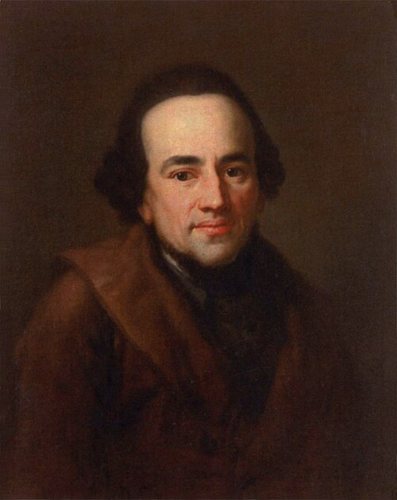 Moses Mendelssohn1729 – 1786
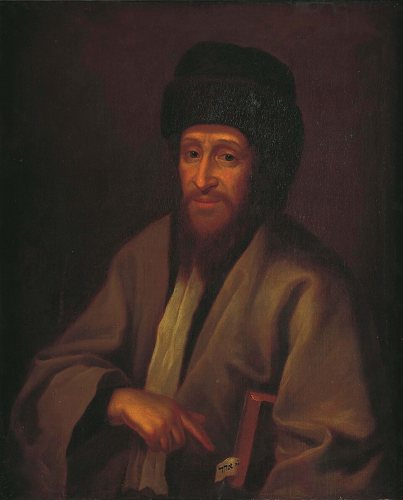 Rabbi Tzvi Ashkenazi1656 – 1718
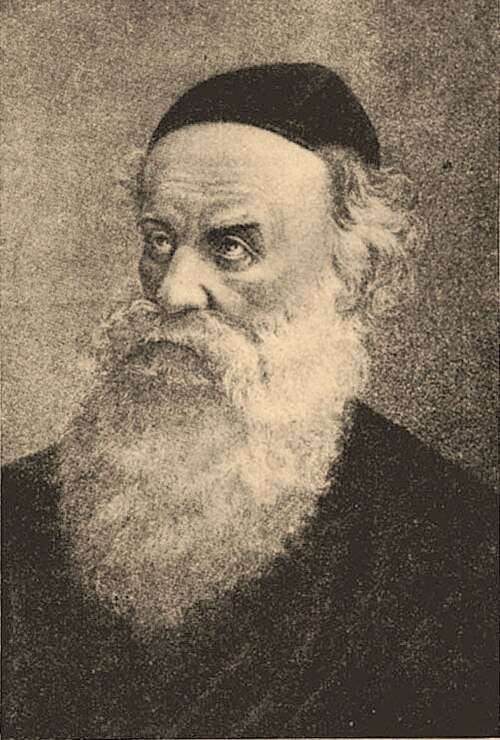 (Alter Rebbe) Rabbi Shneur Zalman1745 – 1812