Moses Mendelssohn
1729 – 1786
Hebrew years: 5489–5546 (ה׳תפ״ט–ה׳תקמ״ו)
Open on the interactive timeline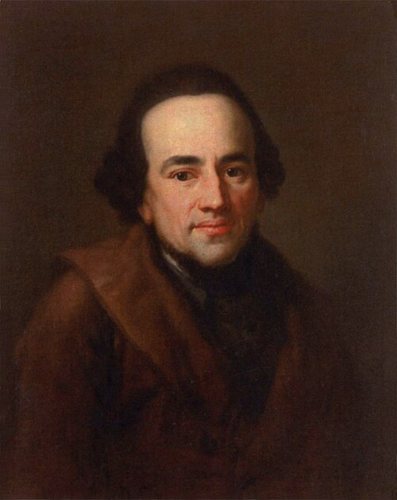
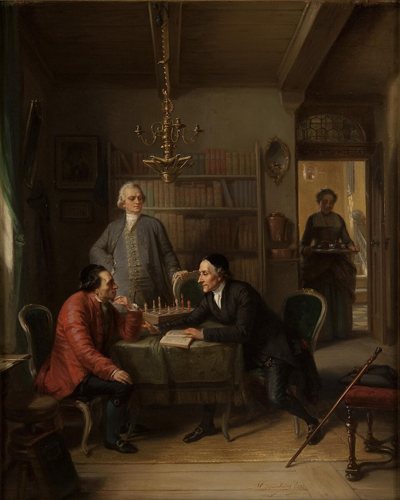
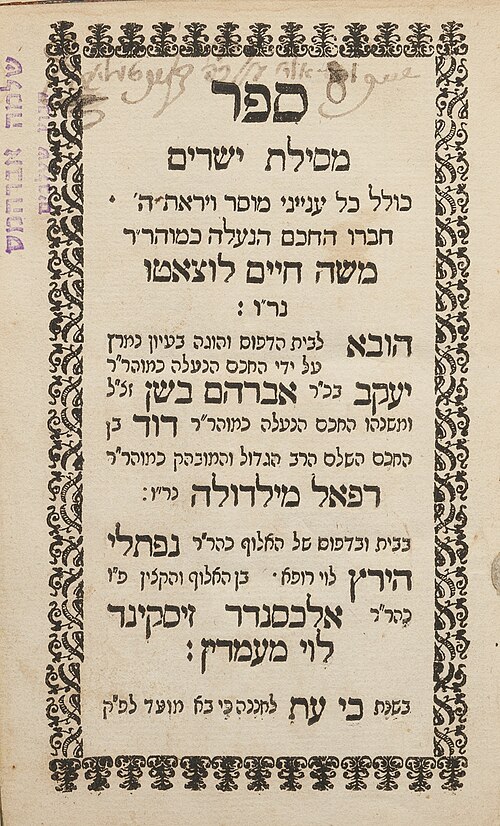
Born in Dessau and educated in Talmud under Rabbi David Fränkel, he followed his teacher to Berlin at fourteen and taught himself German, Latin, French, and philosophy while working as a bookkeeper. He won the Prussian Academy's essay prize in 1763 over Kant, and his Phädon (1767) made him famous across Europe as "the German Socrates." In Jerusalem (1783) he argued that Judaism is not revealed doctrine but revealed legislation — that it demands no belief reason cannot reach, and therefore that a Jew can be a full participant in Enlightenment thought and a full observer of the commandments at once. The same book made one of the earliest sustained arguments for separating religious and state coercion. His Bi'ur, a German Torah translation printed in Hebrew characters with a Hebrew commentary, was designed to give Jews access to both proper German and a serious literary reading of scripture. He lobbied for civil rights, prompting Dohm's influential 1781 treatise on Jewish emancipation. He remained Orthodox in practice until his death; the Haskalah he set in motion produced consequences he neither intended nor endorsed.
- Hebrew years
- 5489–5546 (ה׳תפ״ט–ה׳תקמ״ו)
- Place
- Berlin
- Category
- Sages, Scholars & Writers
- Part of
- Ottoman Period
At the same time
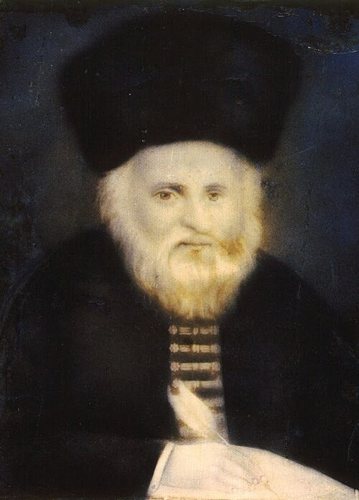 Vilna Gaon1720 – 1797
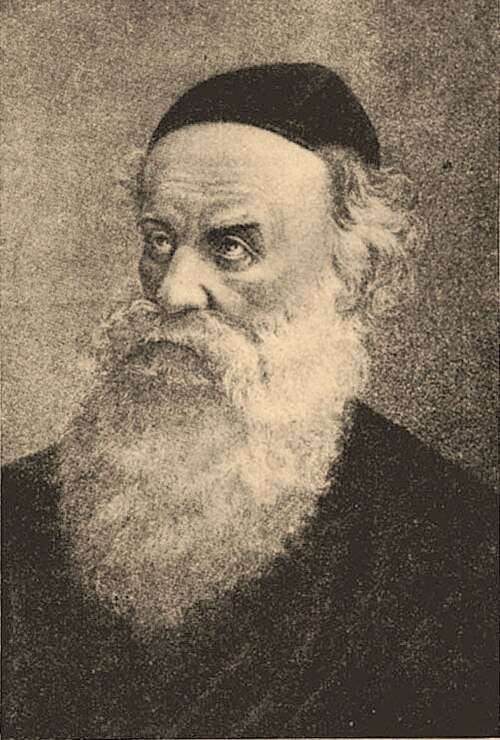 (Alter Rebbe) Rabbi Shneur Zalman1745 – 1812
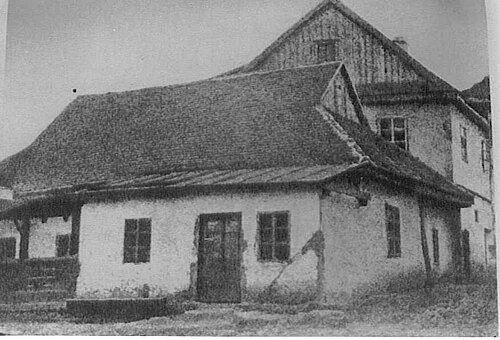 Baal Shem Tov1698 – 1760
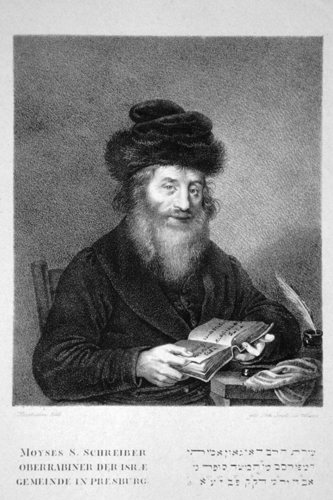 Rabbi Moshe Sofer1762 – 1839
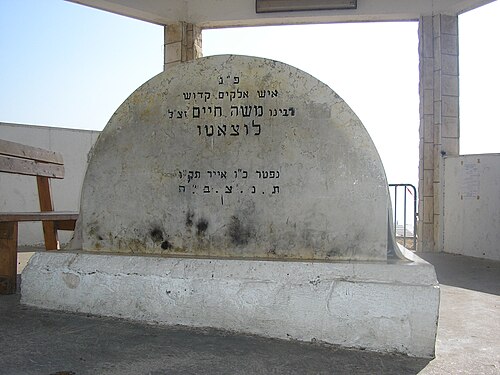 (Ramchal) Rabbi Moshe Chaim Luzzatto1707 – 1746
 Rabbi Nachman of Breslov1772 – 1810
 Moses Montefiore1784 – 1885