(Alter Rebbe) Rabbi Shneur Zalman
1745 – 1812
Hebrew years: 5505–5572 (ה׳תק״ה–ה׳תקע״ב)
Open on the interactive timeline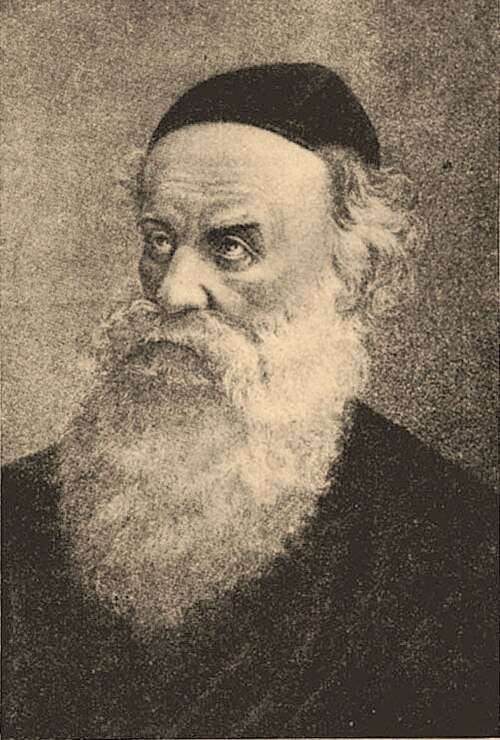
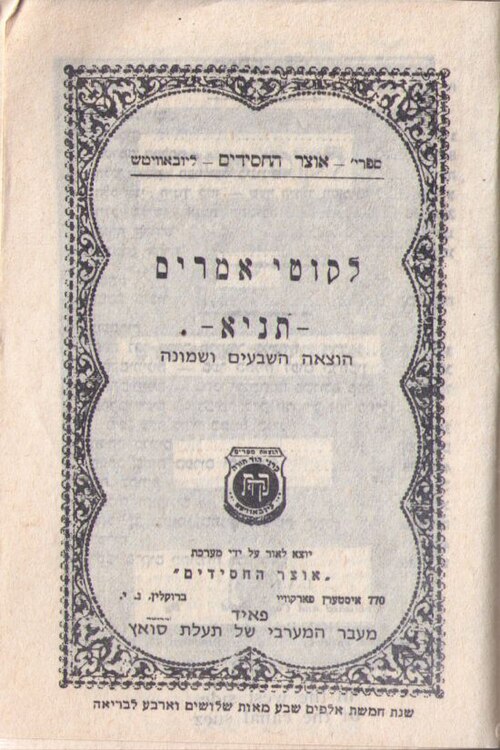
Rabbi Shneur Zalman was born in Liozna, in Belarus, in 1745, and became one of the youngest disciples of the Maggid of Mezeritch, the successor of the Baal Shem Tov. The Maggid asked him to write a new code of Jewish law, the Shulchan Aruch HaRav. He founded Chabad Chassidut, named for the intellectual faculties chochmah, binah and da'at (wisdom, understanding and knowledge), which taught that the mind must lead the heart in serving God, and in 1796 published its basic text, the Tanya. Opponents of Chassidut denounced him to the Russian government, and in 1798 he was imprisoned in the Peter and Paul Fortress in St. Petersburg. His release on 19 Kislev is still celebrated by Chabad as a festival. In 1801 he settled in Liadi.
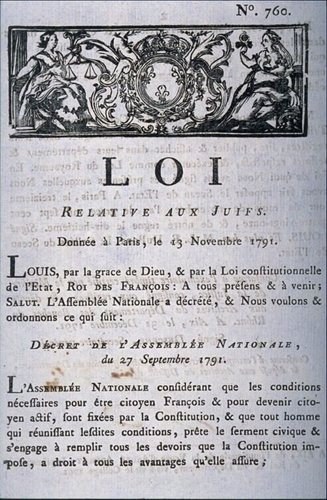
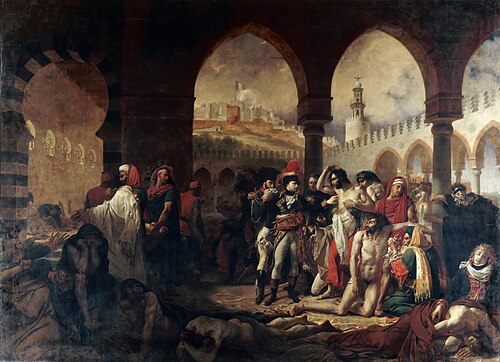
When Napoleon invaded Russia in 1812, he supported the Tsar, fearing that French emancipation would weaken Jewish faith. Fleeing the advancing army, he died in the village of Piena in December 1812 and was buried in Hadiach, in Ukraine. Known as the Alter Rebbe and the Baal HaTanya, he began the Chabad dynasty that led to the seventh Rebbe, Rabbi Menachem Mendel Schneerson.
- Hebrew years
- 5505–5572 (ה׳תק״ה–ה׳תקע״ב)
- Place
- Liadi
- Category
- Sages, Scholars & Writers
- Part of
- Ottoman Period
At the same time
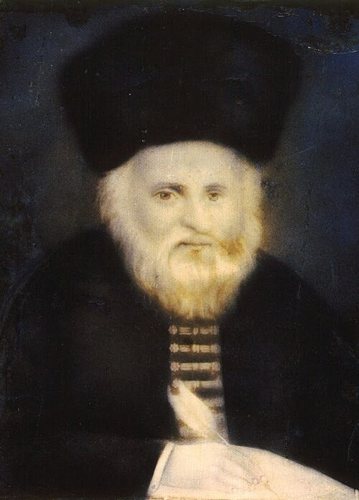 Vilna Gaon1720 – 1797
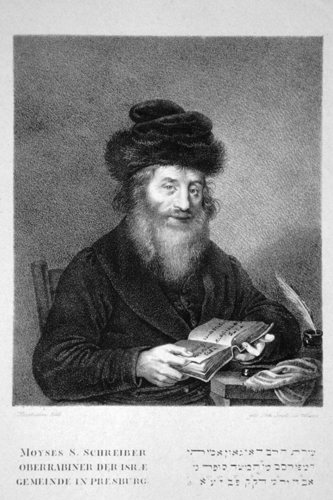 Rabbi Moshe Sofer1762 – 1839
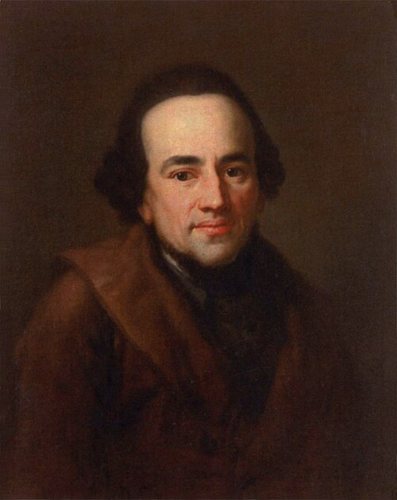 Moses Mendelssohn1729 – 1786
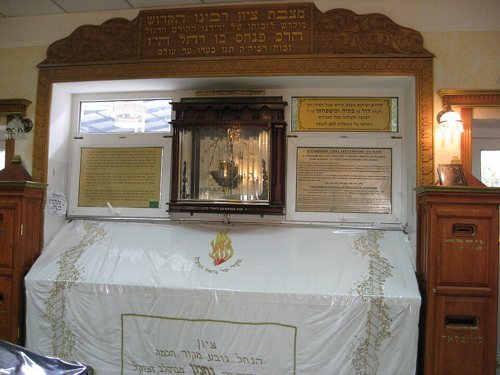 Rabbi Nachman of Breslov1772 – 1810
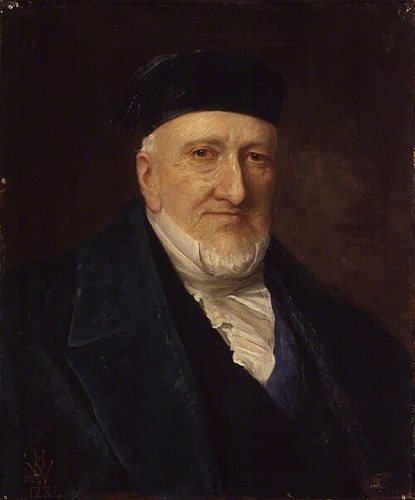 Moses Montefiore1784 – 1885
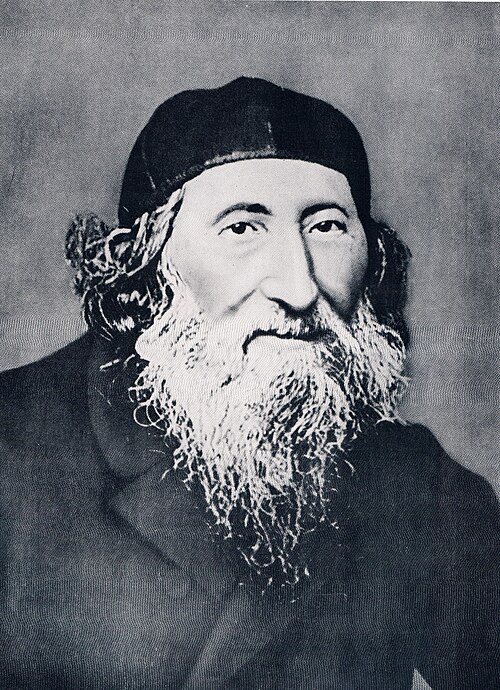 Rabbi Zvi Hirsch Kalischer1795 – 1874
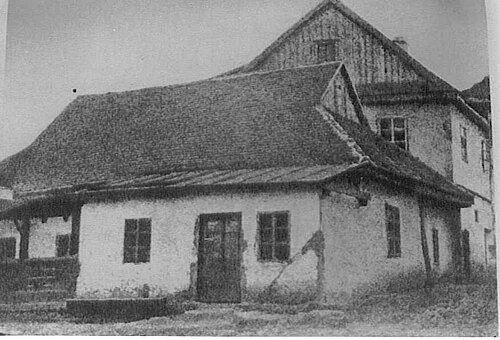 Baal Shem Tov1698 – 1760
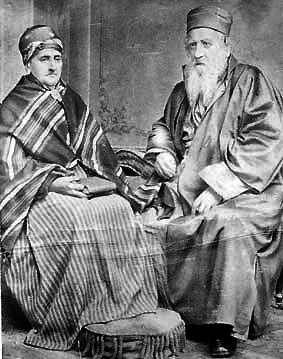 Rabbi Yehuda Alkalai1798 – 1878
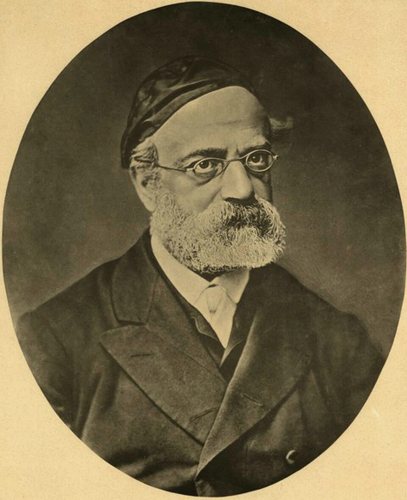 Samson Raphael Hirsch1808 – 1888
 Rabbi Israel Salanter1809 – 1883