Russian Empire Pogroms
1881
Hebrew year: 5641 (ה׳תרמ״א)
Open on the interactive timeline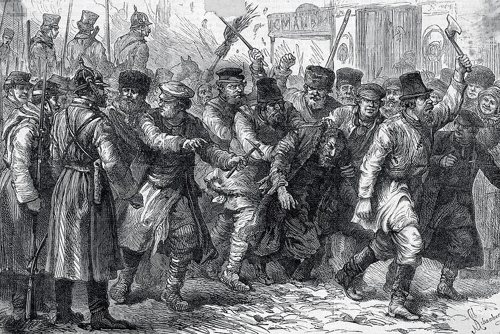
On 13 March 1881 revolutionaries assassinated Tsar Alexander II. One of the conspirators, Hesya Helfman, was Jewish, and rumors spread that "the Jews" had killed the tsar. In April a pogrom broke out in Elisavetgrad, and over the following months violence spread to Kyiv, Odessa and hundreds of towns and villages in southern Ukraine. Mobs looted and burned Jewish homes and shops, raped and killed, while the police and army were often slow to intervene. Waves of attacks continued until 1884.
Instead of protecting the victims, the government blamed Jewish "exploitation" and in 1882 passed the May Laws, barring Jews from settling in villages. The pogroms, called in Hebrew "Sufot BaNegev" ("Storms in the South"), set off a mass emigration of about two million Jews, mostly to the United States, by 1914. They also gave rise to Leon Pinsker's Auto-Emancipation (1882), the Hovevei Zion societies, the BILU group and the First Aliyah.
- Hebrew year
- 5641 (ה׳תרמ״א)
- Place
- Kyiv
- Category
- Persecution & antisemitism
- Part of
- Ottoman Period
At the same time
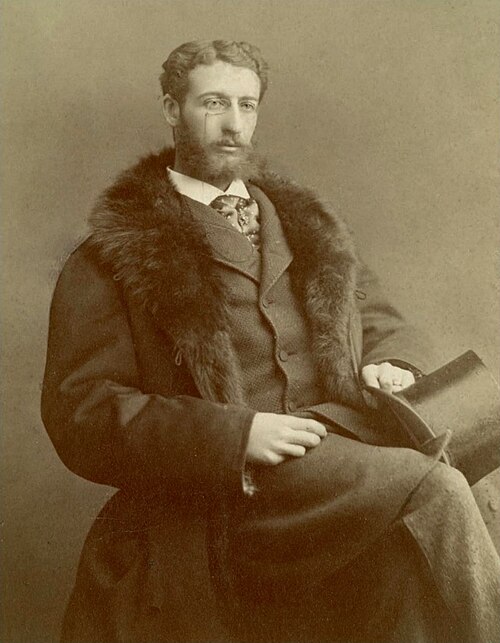 Baron Edmond de Rothschild1845 – 1934
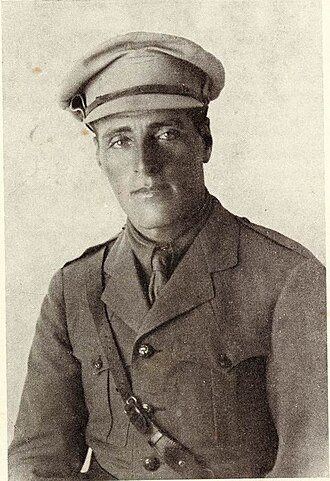 Joseph Trumpeldor1880 – Mar 1920
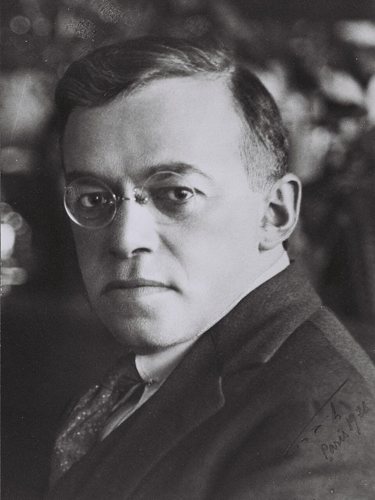 Ze’ev Jabotinsky1880 – 1940
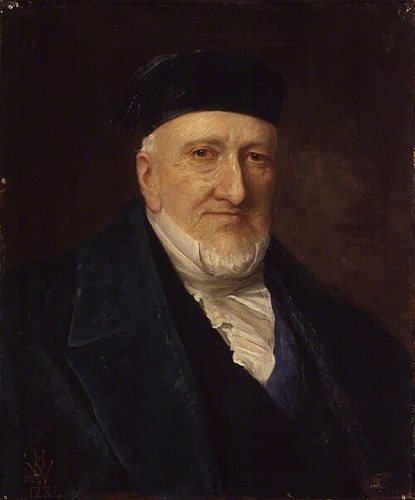 Moses Montefiore1784 – 1885
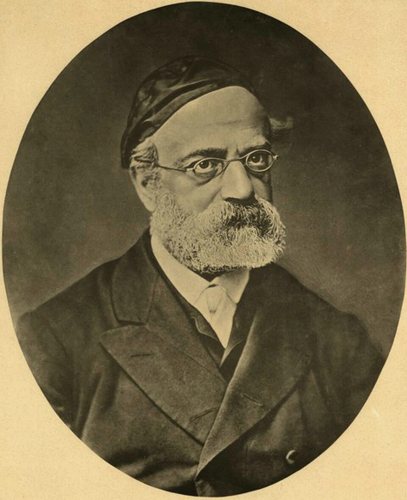 Samson Raphael Hirsch1808 – 1888
 Rabbi Israel Salanter1809 – 1883
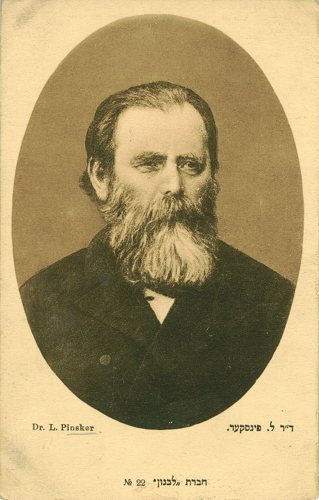 Leon Pinsker1821 – 1891
 (Chafetz Chaim) Rabbi Yisrael Meir Kagan1838 – 1933
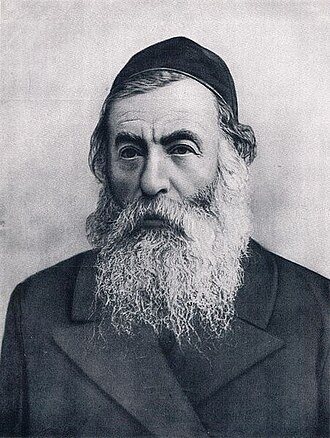 Rabbi Yitzchak Yaakov Reines1839 – 1915
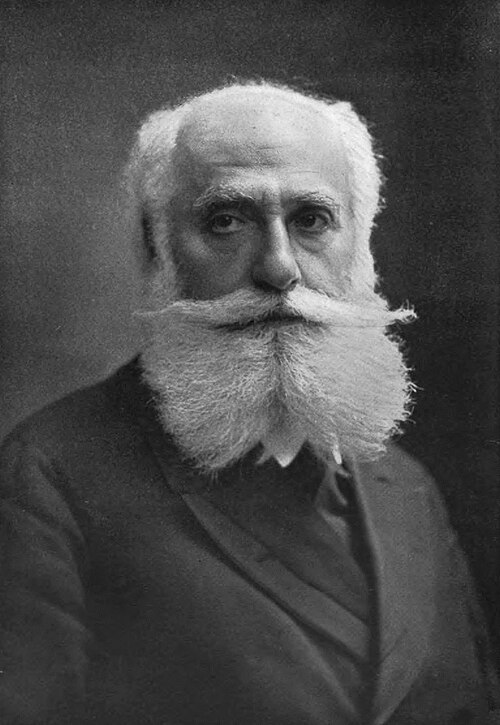 Max Nordau1849 – 1923