Samaria Capital of Israel
−880
Hebrew year: 3016 (ג׳ט״ז)
Open on the interactive timeline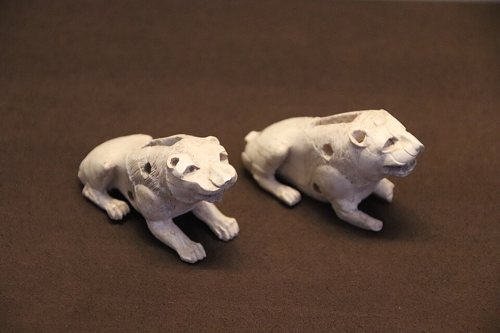
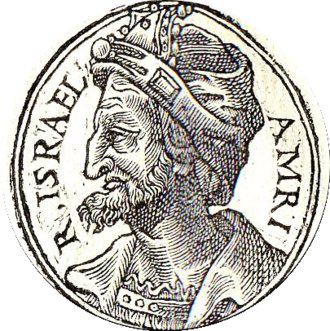
About six years into his reign, King Omri bought the hill of Samaria from a man named Shemer for two talents of silver, built a new capital on it, and named it Shomron after its former owner (1 Kings 16:24). The isolated hill, easier to defend than Tirzah, commanded the routes west toward the coast. Omri's son Ahab adorned it with a "house of ivory" (1 Kings 22:39) and a temple of Baal, and Samaria remained Israel's capital until the Assyrian conquest in −722, after a three-year siege.
Excavations by Harvard (1908–1910) and by a joint expedition under John Crowfoot and Kathleen Kenyon (1931–1935) uncovered the royal acropolis with some of the finest ashlar masonry of the Iron Age, hundreds of carved ivory fragments recalling Amos's rebuke of those who lie on "beds of ivory," and the Samaria ostraca, dockets recording deliveries of wine and oil. Assyrian inscriptions long called Israel "the House of Omri." Herod later rebuilt the city as Sebaste.
- Hebrew year
- 3016 (ג׳ט״ז)
- Place
- Samaria
- Category
- Major events
- Part of
- Israel & Judah
Read the text
- 1 Kings 16:24 · Hebrew and English on Sefaria