Septuagint
−247
Hebrew year: 3515 (ג׳תקט״ו)
Open on the interactive timeline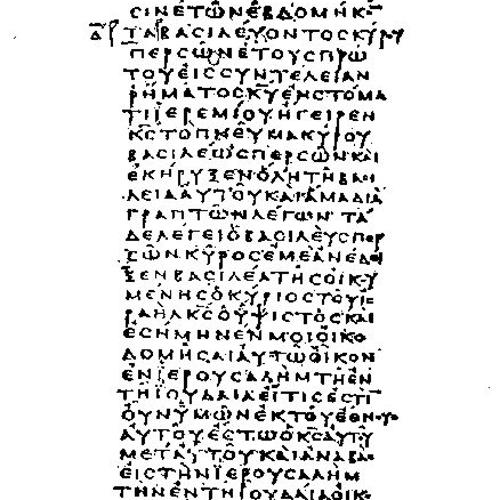
The Septuagint is the Greek translation of the Torah made in Alexandria under Ptolemy II Philadelphus; the other books of the Tanakh were translated over the following two centuries. Its name, Latin for "seventy" (abbreviated LXX), comes from the Letter of Aristeas, which tells that the king wanted the Jewish Law for his great library and that 72 elders, six from each tribe, sent by the high priest Eleazar, completed the work on the island of Pharos in 72 days. The Talmud (Megillah 9a–b) adds that the elders were placed in separate rooms and produced identical translations, including the same deliberate changes.
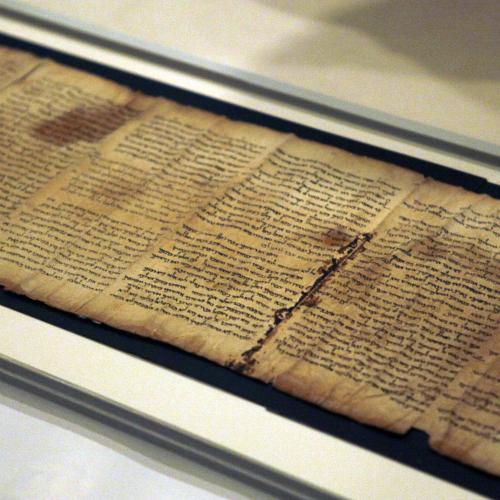
Philo describes an annual festival on Pharos celebrating the translation, while the later tractate Soferim compares the day to the making of the Golden Calf, and a fast on 8 Tevet came to mark it. The Septuagint let Greek-speaking Jews read their scripture, preserves readings that differ from the Masoretic Text, some confirmed by Hebrew Dead Sea Scrolls, and became the Old Testament of the early Church. Greek biblical fragments survive at Qumran and in the Minor Prophets scroll from Nahal Hever.
- Hebrew year
- 3515 (ג׳תקט״ו)
- Place
- Alexandria
- Category
- Books, scripts & languages
- Part of
- Hellenistic Period