Yitzhak Rabin
1992 – 1995
Hebrew years: 5752–5755 (ה׳תשנ״ב–ה׳תשנ״ה)
Open on the interactive timeline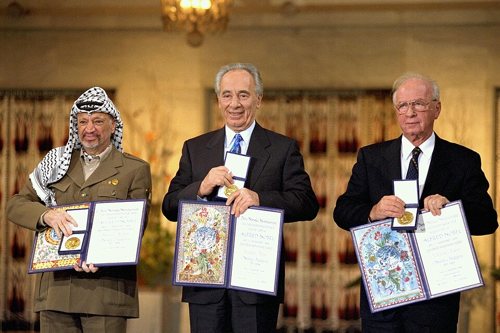
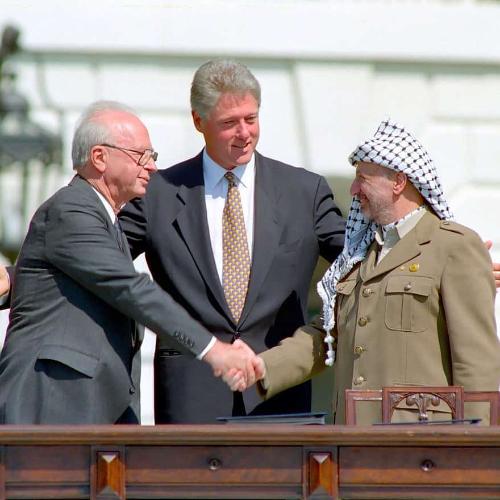
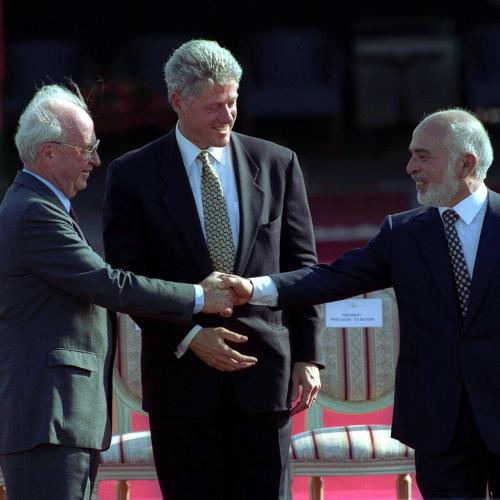
Rabin returned to power in 1992, fifteen years after his first term, and became central to the Oslo Accords with the PLO, sealed by his handshake with Yasser Arafat on the White House lawn on 13 September 1993, and to the peace treaty with Jordan in 1994; that year he shared the Nobel Peace Prize with Shimon Peres and Arafat. His second term was one of the most consequential and divisive in Israeli history, as the accords set off mass protests on the right while terror attacks continued. He believed Israel needed peace agreements to secure its future as a Jewish and democratic state.
On 4 November 1995, at the end of a peace rally in Tel Aviv's Kings of Israel Square, Rabin was assassinated by Yigal Amir, a Jewish extremist who opposed the Oslo process. From a Jewish-history perspective, his assassination was a national trauma and a turning point in Israeli politics, symbolizing the dangers of internal division; the square now bears his name, and his memorial day is marked each year on 12 Cheshvan.
- Hebrew years
- 5752–5755 (ה׳תשנ״ב–ה׳תשנ״ה)
- Place
- Jerusalem
- Category
- Prime Ministers & Presidents
- Part of
- State of Israel
At the same time
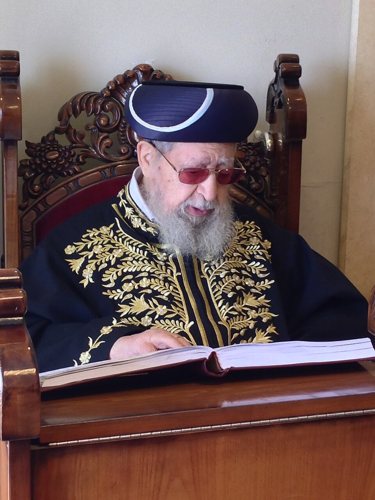 Rabbi Ovadia Yosef1920 – 2013
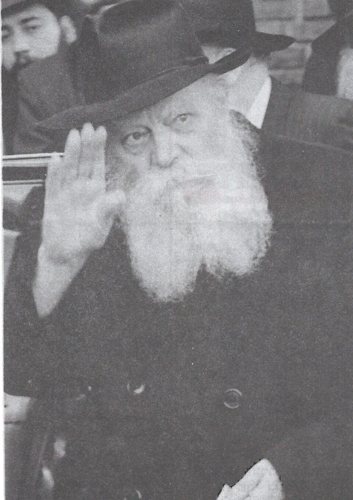 Rabbi Menachem Mendel Schneerson1902 – 1994
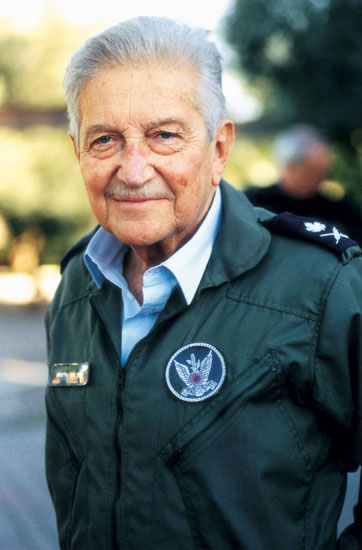 President Ezer Weizman13 May 1993 – 13 Jul 2000
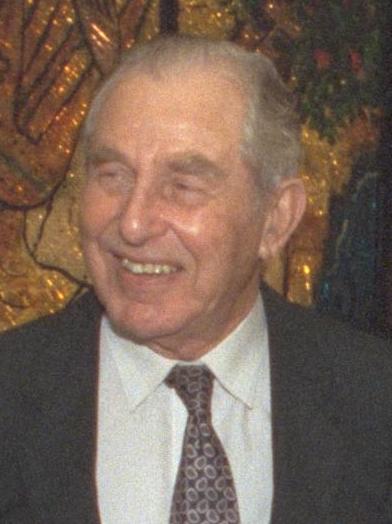 President Chaim Herzog5 May 1983 – 13 May 1993
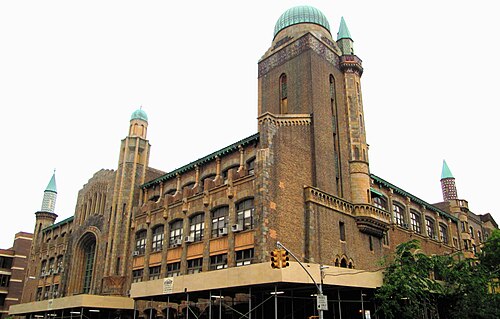 Rabbi Joseph B. Soloveitchik1903 – 1993
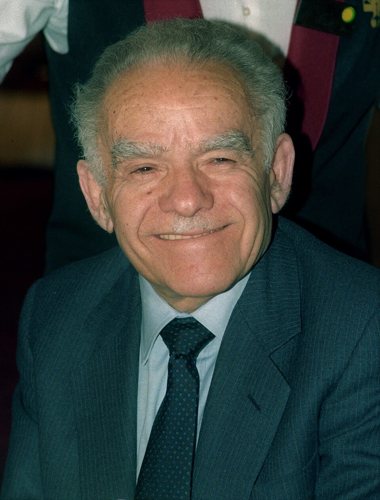 Yitzhak Shamir1986 – 1992
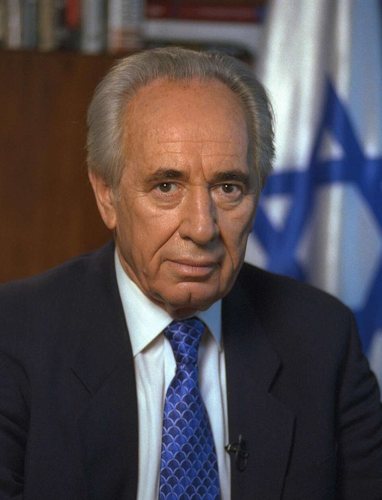 Shimon Peres1995 – 1996