Egyptian Middle Kingdom
−2055
Hebrew year: 1706 (א׳תש״ו)
Open on the interactive timeline
The Middle Kingdom began around −2055, when Mentuhotep II of Thebes reunited Egypt after the divided First Intermediate Period. Under the 12th Dynasty, Amenemhat I moved the capital to Itjtawy near Lisht and Senusret III campaigned deep into Nubia and once into Canaan (a stele of his officer Sobek-khu describes fighting at "Sekmem", usually taken as Shechem). Its literature includes the Story of Sinuhe, an official who flees to Canaan.
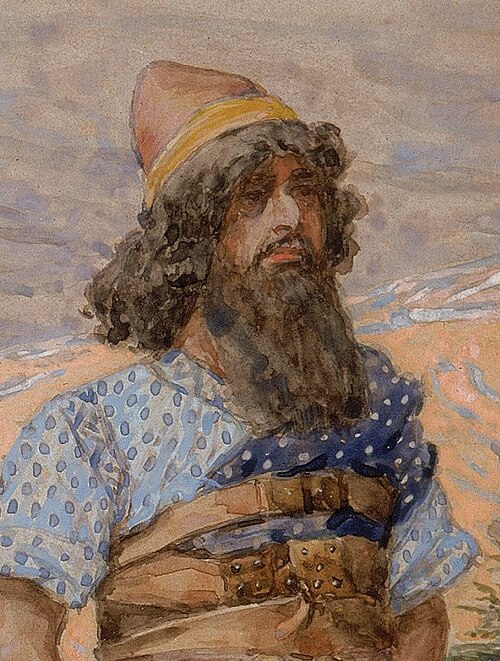
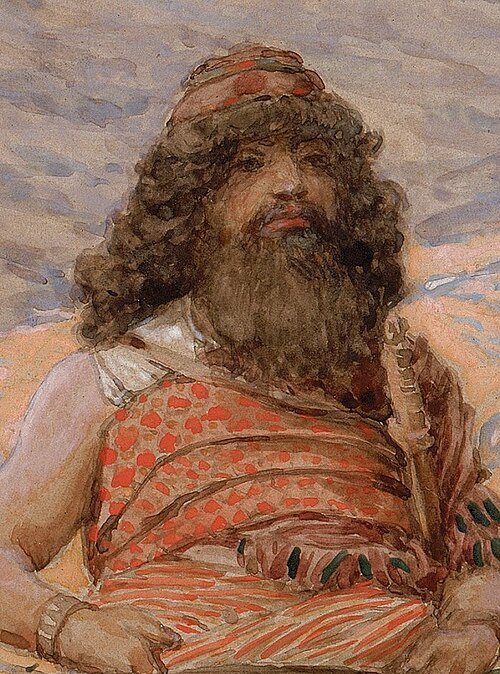
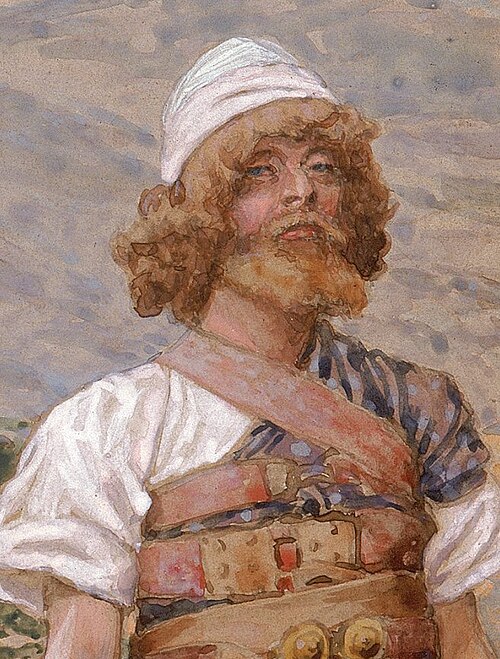
At Beni Hasan, the rock-cut tomb of the provincial governor Khnumhotep II (around −1890) holds a famous painting of 37 "Aamu", Asiatics, led by a chief named Abisha with the title heqa khasut, "ruler of foreign lands", the phrase that later gave the Hyksos their name. They arrive with donkeys, a lyre, weapons and colorful patterned clothing, a vivid picture of the kind of Semitic families the Bible describes in the age of Abraham and his descendants. Middle Kingdom "Execration Texts", curses written on pottery against foreign enemies, also name Canaanite towns, including what is likely the earliest mention of Jerusalem (Rushalimum).
- Hebrew year
- 1706 (א׳תש״ו)
- Place
- Beni Hasan
- Category
- Major events
- Part of
- Primeval History