Ein Gedi Scroll
210
Hebrew year: 3970 (ג׳תתק״ע)
Open on the interactive timeline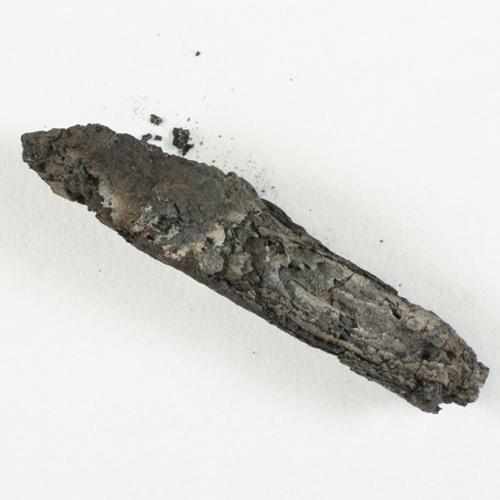
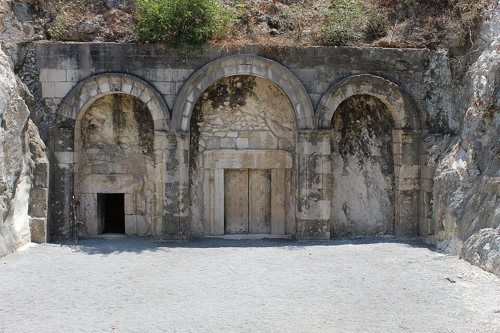
In 1970 archaeologists excavating the ancient synagogue of Ein Gedi, on the western shore of the Dead Sea, found charred scroll fragments in the remains of the Torah ark, burned when the village was destroyed by fire in the 6th century. The scroll was a lump of charcoal that could not be opened. In 2015 the Israel Antiquities Authority scanned it with micro-CT, and Brent Seales's team at the University of Kentucky "virtually unwrapped" its layers by computer, revealing the opening chapters of Leviticus; the results were published in 2016.
Its consonantal text and paragraph breaks are identical to the Masoretic Text used in Torah scrolls today, evidence of how faithfully the text was transmitted. Radiocarbon dating pointed to the 3rd or 4th century, while the handwriting suggested the 1st or 2nd century; either way it is the oldest Torah scroll found since the Dead Sea Scrolls. The same method was later used to read the carbonized papyri of Herculaneum.
- Hebrew year
- 3970 (ג׳תתק״ע)
- Place
- Ein Gedi
- Category
- Books, scripts & languages
- Part of
- Roman Rule