Rabbi Yehudah HaNasi
135 – 219
Hebrew years: 3895–3979 (ג׳תתצ״ה–ג׳תתקע״ט)
Open on the interactive timeline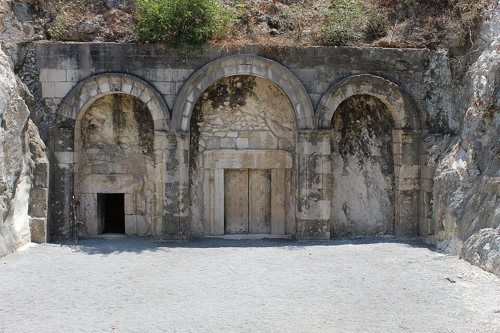
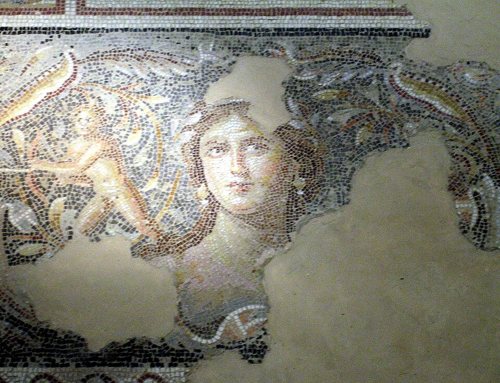
Rabbi Yehudah HaNasi, son of Rabban Shimon ben Gamliel II, led the Jews of the Land of Israel as Nasi (patriarch) in the late 100s and early 200s, so revered that he is called simply "Rabbi" and "Rabbeinu HaKadosh," our holy teacher. Tradition says he was born on the day Rabbi Akiva died (Kiddushin 72b). Wealthy and on good terms with Rome, remembered in stories of his friendship with an emperor "Antoninus" (Avodah Zarah 10a–b), he moved his court from Beit She'arim to Tzippori, where he spent his last 17 years.
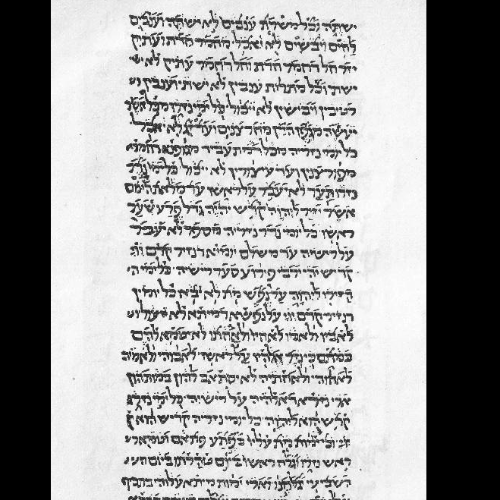
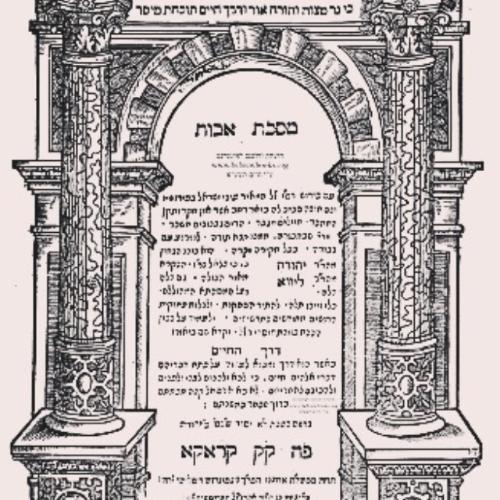
His great work was the Mishnah, completed around 200: he collected and edited the teachings of generations of Tannaim into six orders and 63 tractates, from Zera'im (agriculture and blessings) to Tohorot (purity), opening with the question of when to recite the evening Shema (Mishnah Berakhot 1). It became the core text of the Oral Torah and the basis of both Talmuds. He was buried in the catacombs of Beit She'arim, now a UNESCO World Heritage Site, and the Mishnah says that "when Rabbi died, humility and fear of sin ceased" (Sotah 9:15).
- Hebrew years
- 3895–3979 (ג׳תתצ״ה–ג׳תתקע״ט)
- Place
- Tzippori
- Category
- Sages, Scholars & Writers
- Part of
- Roman Rule
Read the text
- Mishnah Berakhot 1 · Hebrew and English on Sefaria
At the same time
 Mar Shmuel165 – 254
- Rav / Abba Arika175 – 247
- Rabbi Yochanan bar Nafcha180 – 279
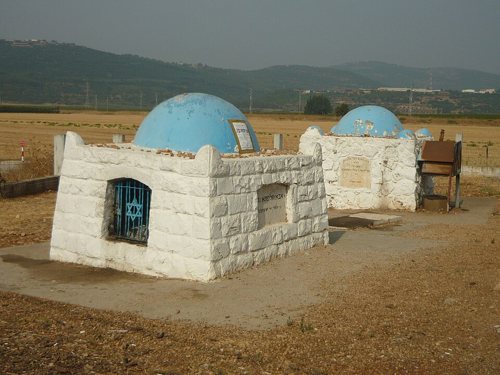 Rabbi Yose ben Halafta100 – 165
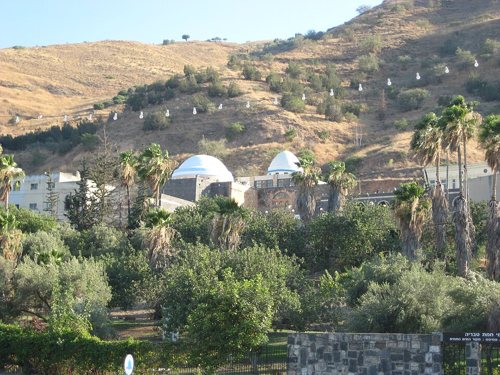 Rabbi Meir100 – 163
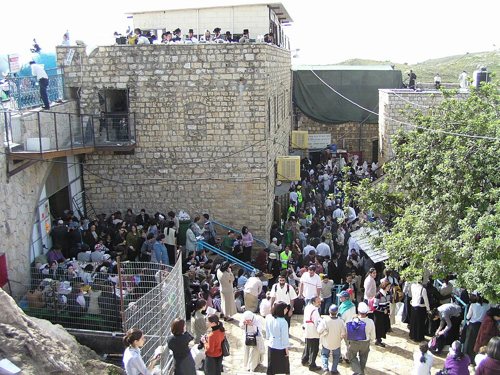 Rabbi Shimon bar Yochai (Rashbi)90 – 160
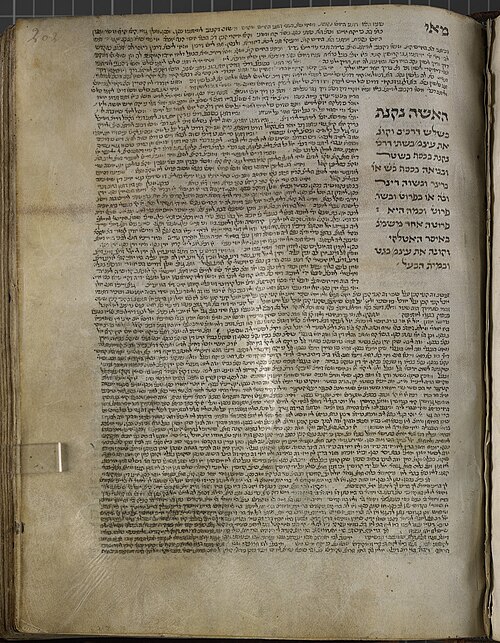 Bruriah110 – 160
- Resh Lakish200 – 275
- Rav Huna216 – 297
 Shimon Bar Kokhba95 – 135