Talmudic Aramaic
200
Hebrew year: 3960 (ג׳תתק״ס)
Open on the interactive timeline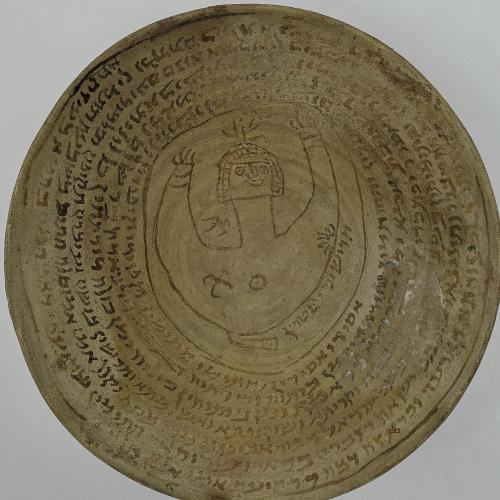
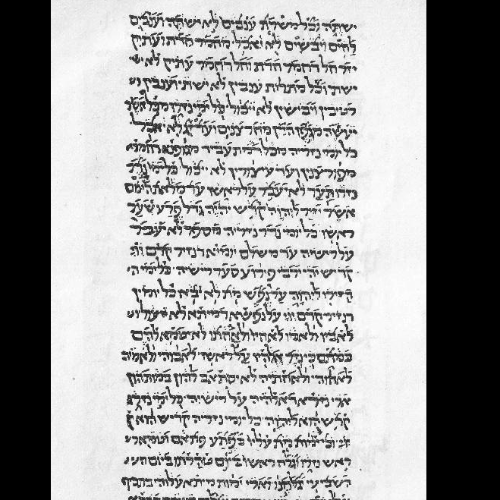
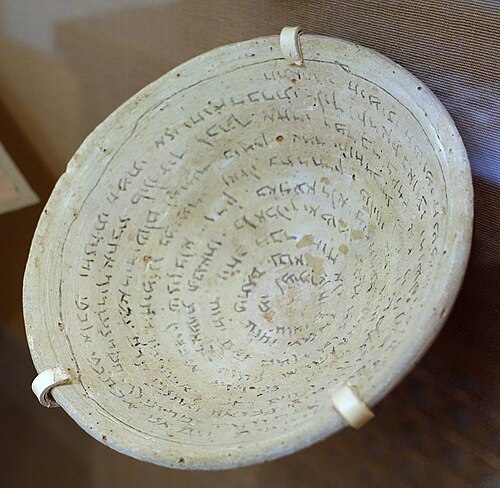
By the rabbinic period Aramaic had long been the everyday language of Jews in both Babylonia and the Land of Israel. Two dialects shaped rabbinic literature: Jewish Babylonian Aramaic, the language of the Babylonian Talmud's give-and-take, and the western, Galilean Aramaic of the Land of Israel, used in the Jerusalem Talmud, the Aggadic midrashim and the synagogue translations of scripture (targumim). Usually the Mishnah or a baraita is quoted in Hebrew and the discussion around it is in Aramaic, so a single page of Gemara moves constantly between the two languages. Hundreds of Aramaic incantation bowls from Sasanian Babylonia preserve the same speech outside the books.
Aramaic is still woven into Jewish life: the Kaddish, Kol Nidrei, "Ha Lachma Anya" and "Chad Gadya" in the Passover Haggadah, the ketubah marriage contract and the get (bill of divorce) are all in Aramaic, as is most of the later Zohar. Words such as abba and imma entered Modern Hebrew from it, and Talmud students still learn its idioms, such as teiku ("let it stand," for an unresolved question).
- Hebrew year
- 3960 (ג׳תתק״ס)
- Category
- Books, scripts & languages
- Part of
- Roman Rule
At the same time
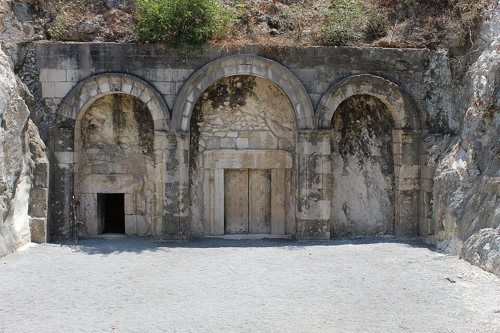 Rabbi Yehudah HaNasi135 – 219
 Mar Shmuel165 – 254
- Rav / Abba Arika175 – 247
- Rabbi Yochanan bar Nafcha180 – 279
- Resh Lakish200 – 275