Fall of Babylon
−539
Hebrew year: 3389 (ג׳שפ״ט)
Open on the interactive timeline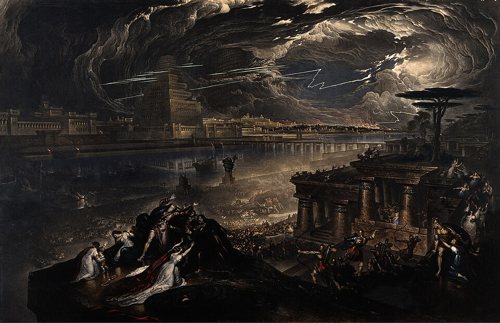
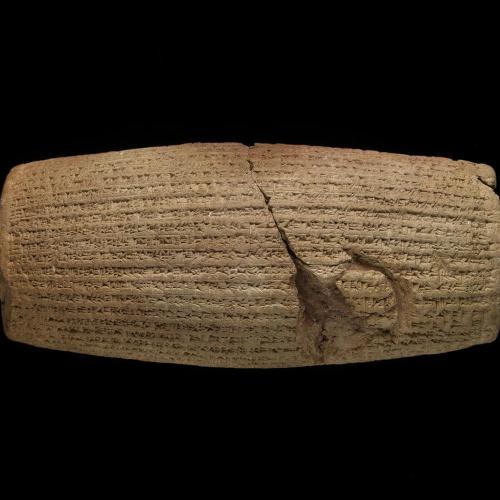
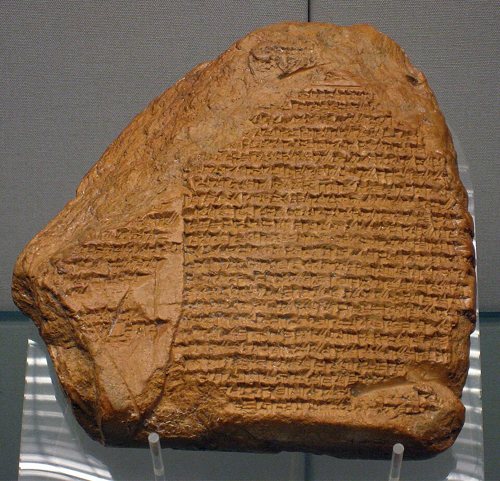
In −539 the Neo-Babylonian Empire fell to Cyrus the Great of Persia, who captured the city of Babylon and absorbed its territories into the rising Achaemenid Persian Empire. According to the biblical and Babylonian accounts, Babylon fell quickly, and Persian rule replaced Babylonian domination across the Near East, including the land of Judah. From a Jewish perspective, this was a turning point of redemption: Babylon had destroyed the First Temple and exiled the people of Judah, so its sudden collapse was seen as divine justice and the opening of a path home. Soon after, Cyrus issued his decree permitting exiled peoples — including the Judeans — to return to their lands and rebuild their temples. This event marks the end of the Babylonian exile period and the beginning of the Return to Zion, which would lead to the rebuilding of the Second Temple, completed in −516.
- Hebrew year
- 3389 (ג׳שפ״ט)
- Place
- Babylon
- Category
- Major events
- Part of
- Babylonian Exile