Cyrus Cylinder
−539
Hebrew year: 3222 (ג׳רכ״ב)
Open on the interactive timeline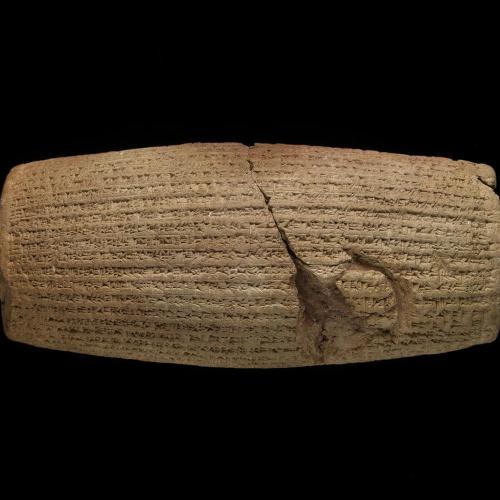
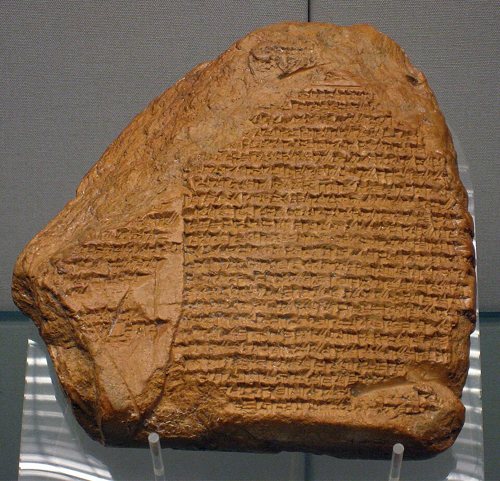
The Cyrus Cylinder is a barrel-shaped clay cylinder, about 23 cm long, inscribed in Akkadian cuneiform after Cyrus the Great of Persia took Babylon in −539. It was found in 1879 by Hormuzd Rassam in the foundations of the Esagila, the temple of Marduk in Babylon, and is now in the British Museum. In it Cyrus denounces the last Babylonian king, Nabonidus, as impious, says Marduk chose him and let him enter Babylon without a battle, and declares that he returned the gods of cities beyond the Tigris to their shrines and "gathered all their people and returned them to their settlements."
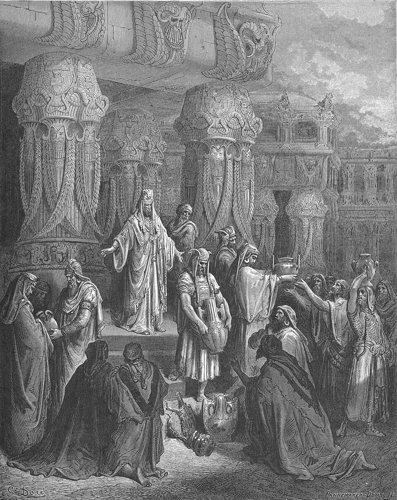
The cylinder never mentions Judah or the Jews, but it describes the same policy that Ezra 1 records in Cyrus's decree allowing the Judeans to go home and rebuild the Temple in Jerusalem, and that Isaiah 44–45 celebrates, calling Cyrus God's "shepherd" and "anointed." It is sometimes hailed as the first charter of human rights, a label historians consider anachronistic for what is a traditional Mesopotamian royal inscription. A replica is displayed at the United Nations headquarters in New York.
- Hebrew year
- 3222 (ג׳רכ״ב)
- Place
- Babylon
- Category
- Archaeology
- Part of
- Babylonian Exile