Return to Zion
−538
Hebrew year: 3390 (ג׳ש״צ)
Open on the interactive timeline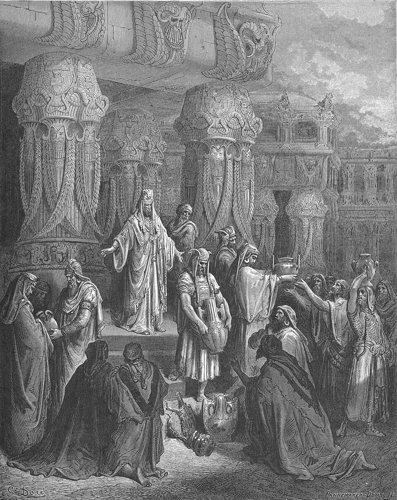
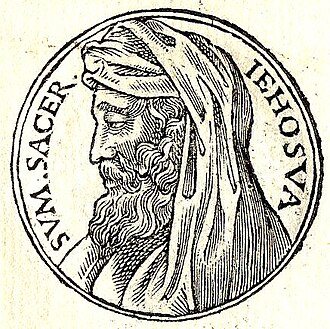
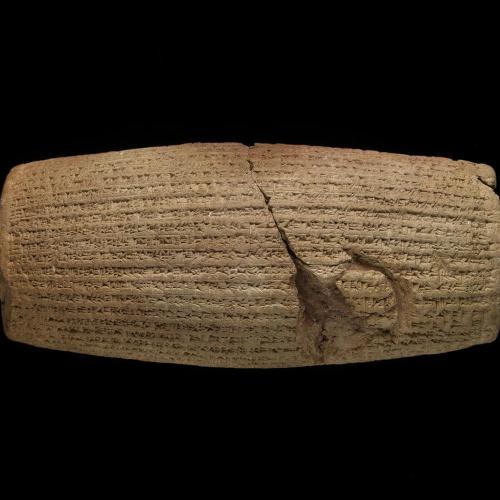
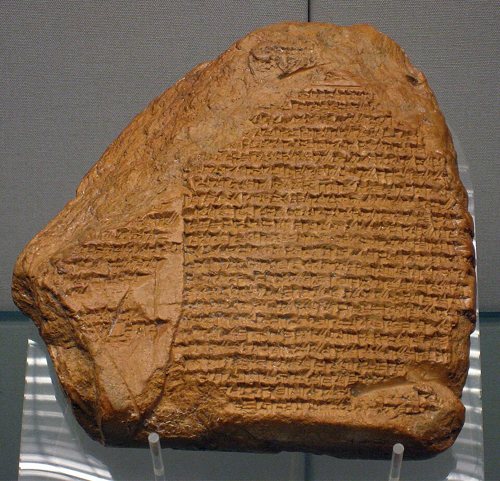
In −538, the first year after Cyrus conquered Babylon, his decree allowed the exiles to go home, and the first Judeans set out for Jerusalem under Sheshbazzar, "prince of Judah," carrying 5,400 Temple vessels Nebuchadnezzar had looted. Ezra 2 lists the returnees by family and town, 42,360 people plus 7,337 servants, led by Zerubbabel, a grandson of King Jehoiachin, and the high priest Jeshua. In the seventh month they rebuilt the altar and celebrated Sukkot; the next year they laid the Temple's foundations, and the old men who had seen Solomon's Temple wept aloud while others shouted for joy, "so that the people could not distinguish the sound of joy from the sound of weeping" (Ezra 3:12–13).
Opposition from neighboring peoples halted the work until −520, when Haggai and Zechariah spurred it on, and the Second Temple was completed in −515. Many Jews stayed in Babylonia, beginning the long pattern of a homeland and a diaspora side by side. The return is remembered in Psalm 126, "When the Lord brought back the captives of Zion, we were like dreamers," sung before grace after meals on Sabbaths and festivals, and the Hebrew phrase Shivat Tzion, "Return to Zion," echoed through the Zionist movement.
- Hebrew year
- 3390 (ג׳ש״צ)
- Place
- Jerusalem
- Category
- Aliyah & return
- Part of
- Persian Period
Read the text
- Ezra 1 · Hebrew and English on Sefaria