Cyrus the Great (Persia)
−539 · until −530
Hebrew year: 3389 (ג׳שפ״ט)
Open on the interactive timeline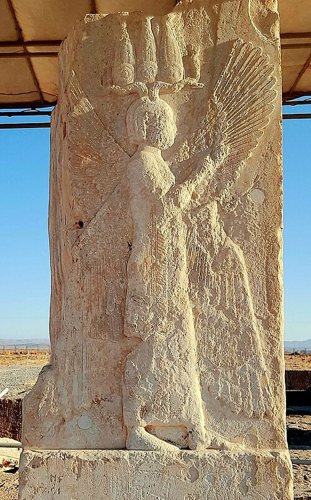
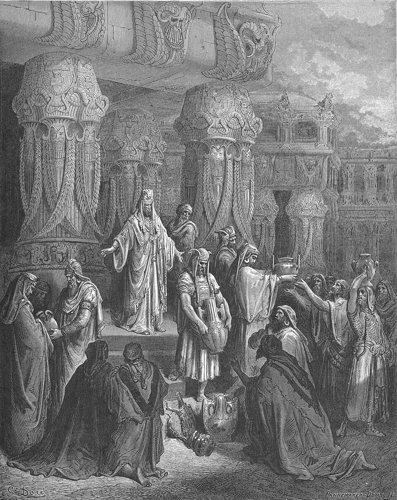
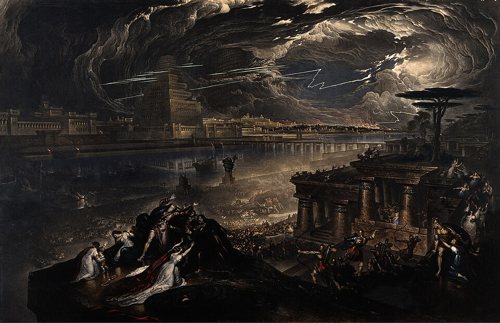
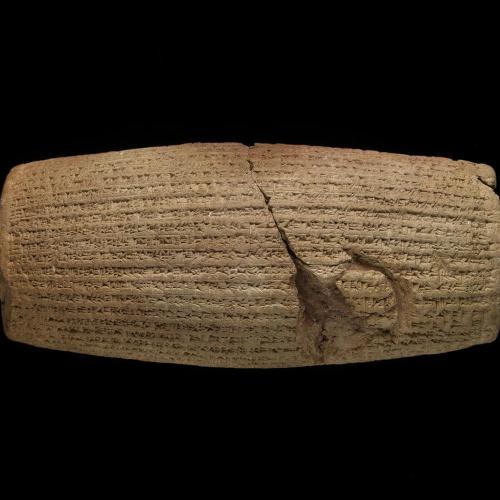
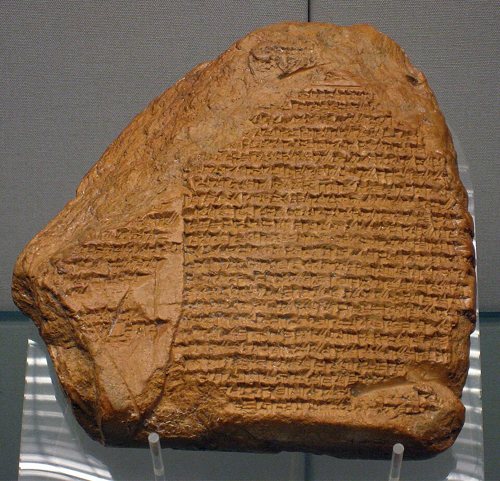
Cyrus II, the Great, founded the Persian Achaemenid empire, the largest the world had yet seen. He overthrew the Medes around −550, conquered Croesus of Lydia, and in October −539 took Babylon, whose gates opened to his army without a fight after his victory at Opis. In his first year there, according to Ezra 1, he decreed that the Judeans could return to Jerusalem and rebuild "the house of the Lord, the God of Israel," and handed back 5,400 gold and silver vessels Nebuchadnezzar had taken from the Temple. An Aramaic record of the decree, later found in the archives at Ecbatana, even set the Temple's dimensions and promised costs from the royal treasury (Ezra 6:3–5). His own Cyrus Cylinder describes the same policy of restoring exiled peoples and their gods.
No foreign king is honored more highly in the Bible: Isaiah calls him God's "shepherd" and "his anointed" (Isaiah 44:28–45:1), the only non-Israelite given the title mashiach. The Hebrew Bible itself closes with his decree (2 Chronicles 36:23): "Whoever is among you of all his people, may the Lord his God be with him, and let him go up." He died around −530, and his stone tomb still stands at Pasargadae in Iran.
- Hebrew year
- 3389 (ג׳שפ״ט)
- Place
- Pasargadae
- Category
- Foreign rulers & empires
- Part of
- Persian Period