Iron age
−1200
Hebrew year: 2561 (ב׳תקס״א)
Open on the interactive timeline
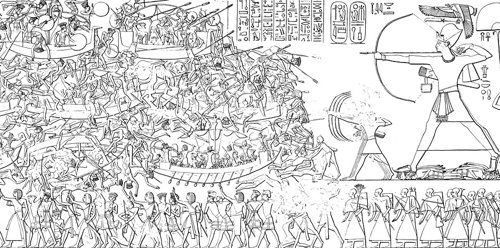
The Iron Age I began after the collapse of many Bronze Age kingdoms around −1200. In Canaan, this period saw major changes, including the decline of Egyptian control, the appearance of new groups such as the Philistines, and the growth of small highland settlements often associated with early Israel.
On the coast of the Levant, just north of Israel, a culture had developed from descendants of Ham, known as the Phoenicians. They had become known for their maritime expeditions across the Mediterranean, and are thought to have reached the Atlantic Ocean by −1200. Along the coasts of the Med, the Phoenicians set up various trade ports and colonies which soon evolved into their own city-states. Around −1100, they established the city of Cádiz on the south coast of the Iberian Peninsula, which is the oldest continuously in-habited city in Western Europe. The items traded by the Phoenicians included pottery, stone, metals, and wood. These were collected from throughout their voyages, even collecting tin from the native Celts living on the south coast of Britain.
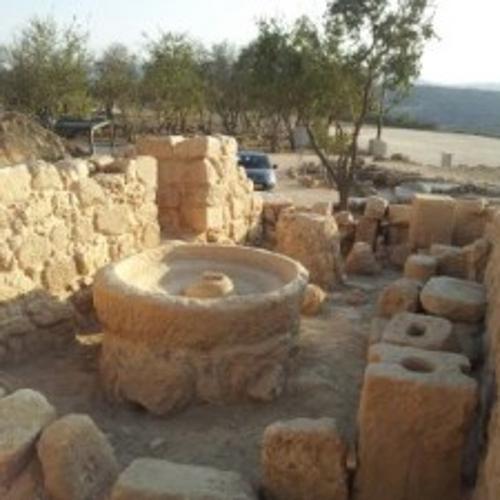
This is one of the most important periods for the early history of Israel. It connects closely with the time of the Judges, tribal organization, early Israelite identity, and the transition from scattered settlements to a more organized people living in the hill country of Canaan.
- Hebrew year
- 2561 (ב׳תקס״א)
- Category
- Major events
- Part of
- Conquest & Judges