Mishnaic Hebrew
150
Hebrew year: 3910 (ג׳תתק״י)
Open on the interactive timeline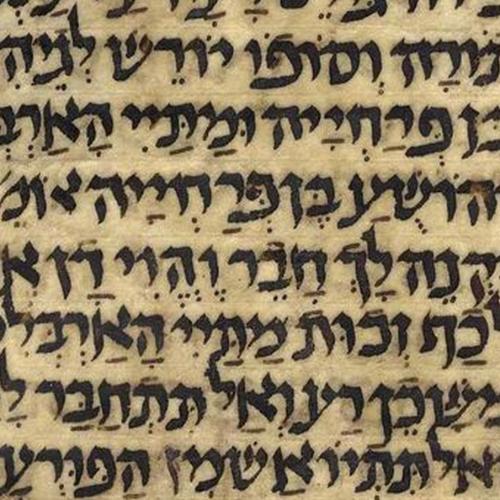
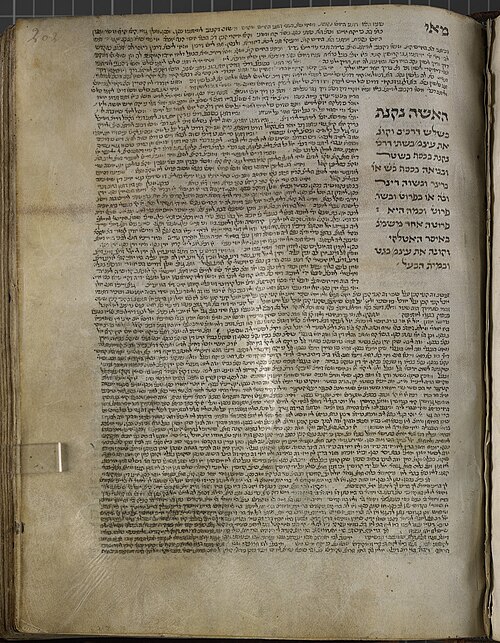
Mishnaic Hebrew is the Hebrew of the Mishnah, the Tosefta and the early midrashim such as the Mekhilta, Sifra and Sifrei, edited in the Land of Israel from about 200. It differs clearly from Biblical Hebrew: the particle she- replaces asher for "that," the participle serves as a present tense, the biblical "vav-consecutive" verb forms disappear, some plurals end in -in instead of -im, and the vocabulary absorbs Aramaic, Greek and Latin words such as sanhedrin (Greek synedrion) and prozbul. The Bar Kokhba letters and the Copper Scroll from Qumran show that this kind of Hebrew was spoken in Judea, not only written.
It disproves the old idea that Hebrew died after the biblical period: scholars such as Moshe Zvi Segal showed it was a living vernacular alongside Aramaic, and it remained the language of law and prayer afterwards; much of the Siddur is written in it. When Eliezer Ben-Yehuda and his successors revived spoken Hebrew in the late 1800s, Mishnaic grammar and vocabulary became a central part of Modern Hebrew.
- Hebrew year
- 3910 (ג׳תתק״י)
- Category
- Books, scripts & languages
- Part of
- Roman Rule