Moses Hess
1812 – 1875
Hebrew years: 5572–5635 (ה׳תקע״ב–ה׳תרל״ה)
Open on the interactive timeline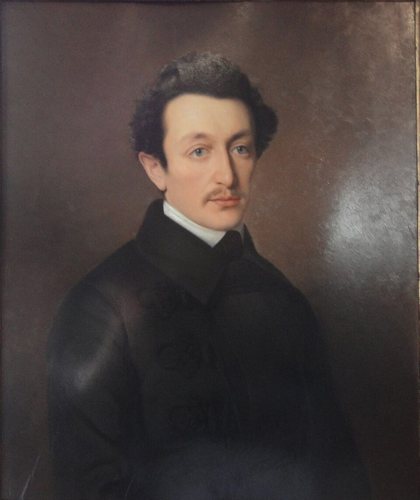
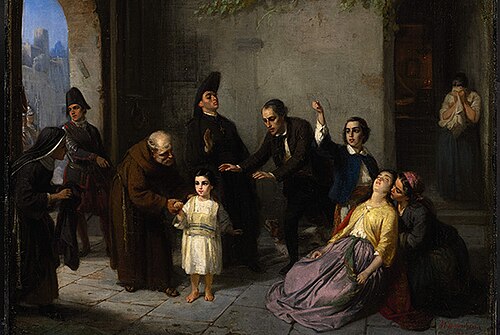
Moses Hess was born in Bonn in 1812 and grew up in Cologne. He became one of the first German socialists; he helped win Friedrich Engels to communism and worked with Karl Marx in the 1840s, earning the nickname "the communist rabbi". The Damascus blood libel of 1840 had already shaken his faith in assimilation. In 1862, inspired by the Italian national revival, he published Rome and Jerusalem: The Last National Question.
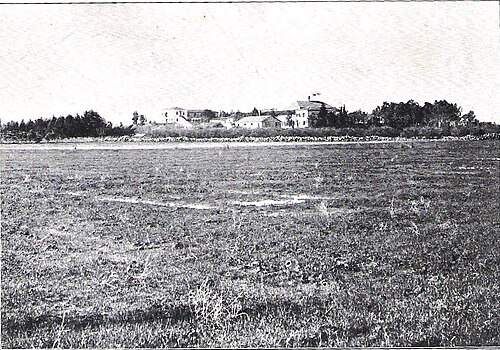
In it he argued that the Jews were a nation, that antisemitism would not vanish with assimilation, and that Jews should rebuild a commonwealth in the Land of Israel founded on social justice. The book found few readers at the time, but Herzl later wrote that Hess had said it all before him. Hess died in Paris in 1875; in 1961 his remains were reburied in the Kinneret cemetery, and the moshav Kfar Hess bears his name.
- Hebrew years
- 5572–5635 (ה׳תקע״ב–ה׳תרל״ה)
- Place
- Cologne
- Category
- Zionism & Modern Figures
- Part of
- Ottoman Period
At the same time
 Moses Montefiore1784 – 1885
 Rabbi Yehuda Alkalai1798 – 1878
 Samson Raphael Hirsch1808 – 1888
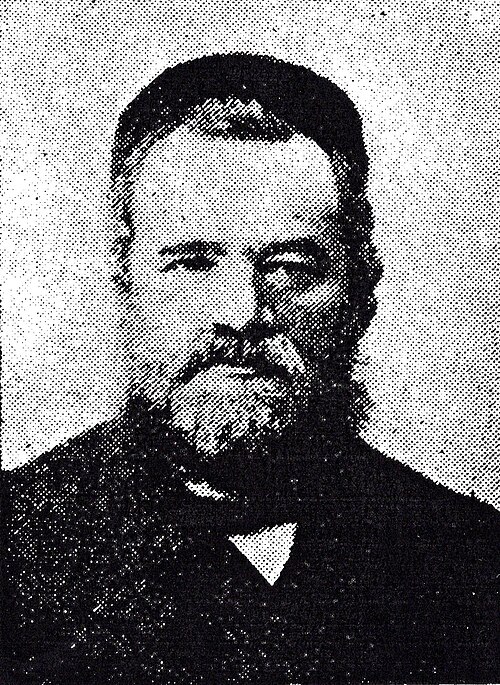 Rabbi Israel Salanter1809 – 1883
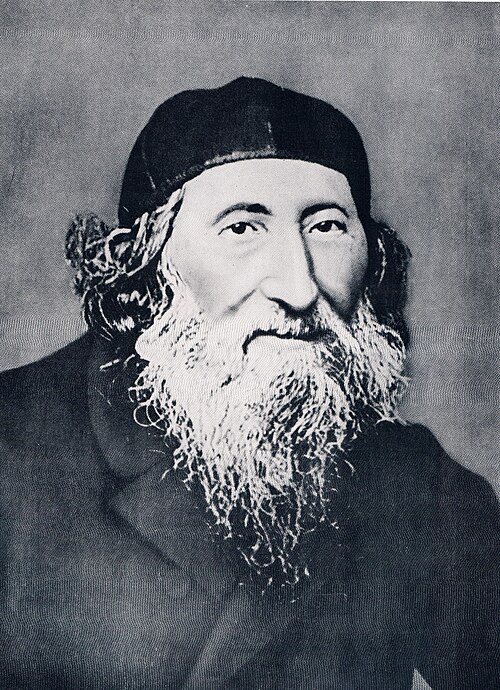 Rabbi Zvi Hirsch Kalischer1795 – 1874
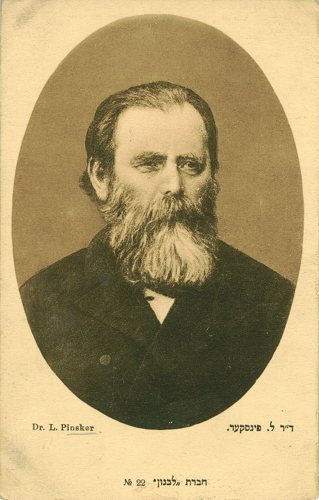 Leon Pinsker1821 – 1891
 (Chafetz Chaim) Rabbi Yisrael Meir Kagan1838 – 1933
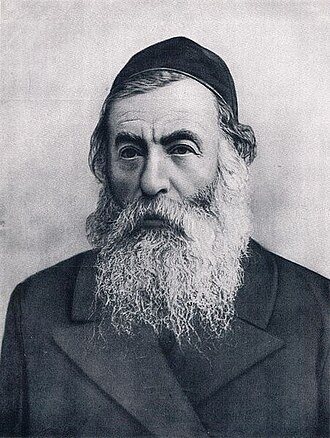 Rabbi Yitzchak Yaakov Reines1839 – 1915
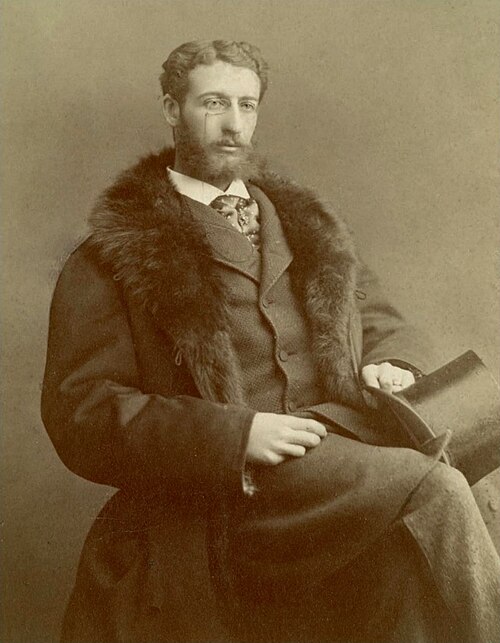 Baron Edmond de Rothschild1845 – 1934
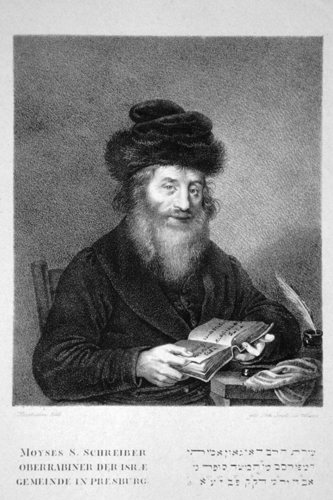 Rabbi Moshe Sofer1762 – 1839