Rabbi Yehuda Alkalai
1798 – 1878
Hebrew years: 5558–5638 (ה׳תקנ״ח–ה׳תרל״ח)
Open on the interactive timeline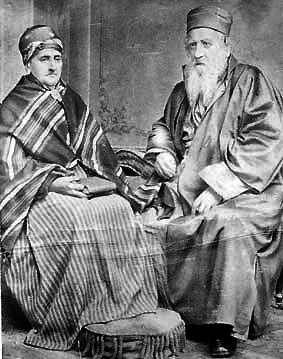
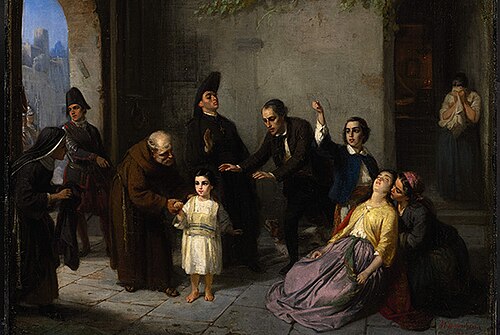
Rabbi Yehuda ben Shlomo Chai Alkalai was born in Sarajevo in 1798 and from 1825 served as rabbi of the Sephardi community of Semlin (Zemun), across the river from Belgrade. In Shema Yisrael (1834) and, after the Damascus blood libel of 1840, in Minchat Yehuda (1843), he argued that redemption would not come by miracle alone: the Jews must prepare it themselves by returning to the Land of Israel. He read teshuvah, repentance, also as a literal return, and proposed an assembly of elders to lead the people, a national fund to buy land, and the revival of Hebrew as a spoken language. He travelled to Western Europe in 1851 and 1852 to win support, and in 1874 settled in Jerusalem, where he died in 1878 and was buried on the Mount of Olives.
With Rabbi Zvi Hirsch Kalischer, Alkalai is counted among the forerunners of Zionism: a traditional rabbi who joined messianic hope to practical work decades before Hovevei Zion. Theodor Herzl's grandfather, Simon Loeb Herzl, attended his synagogue in Semlin.
- Hebrew years
- 5558–5638 (ה׳תקנ״ח–ה׳תרל״ח)
- Place
- Semlin (Zemun)
- Category
- Zionism & Modern Figures
- Part of
- Ottoman Period
At the same time
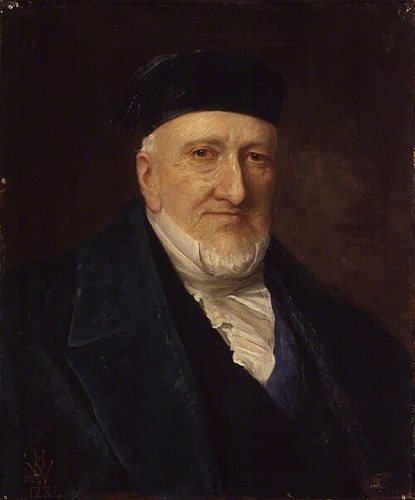 Moses Montefiore1784 – 1885
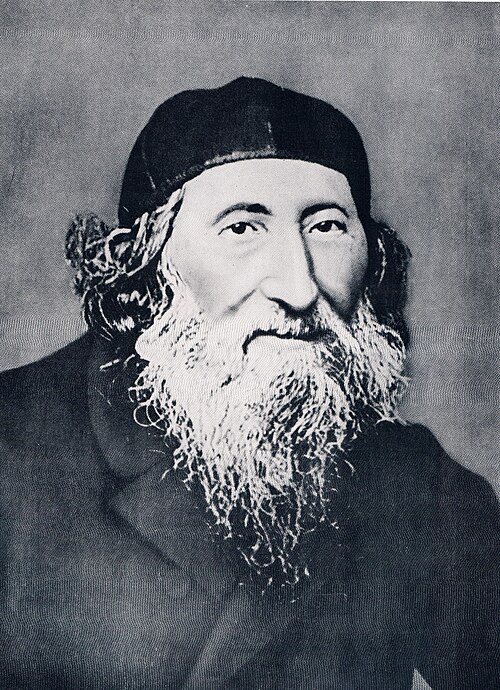 Rabbi Zvi Hirsch Kalischer1795 – 1874
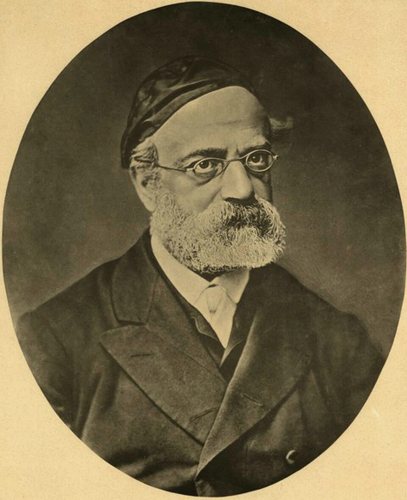 Samson Raphael Hirsch1808 – 1888
 Rabbi Israel Salanter1809 – 1883
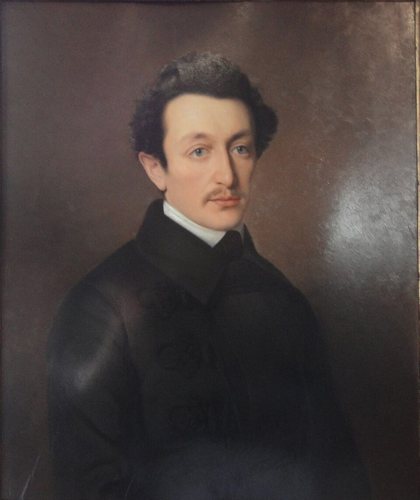 Moses Hess1812 – 1875
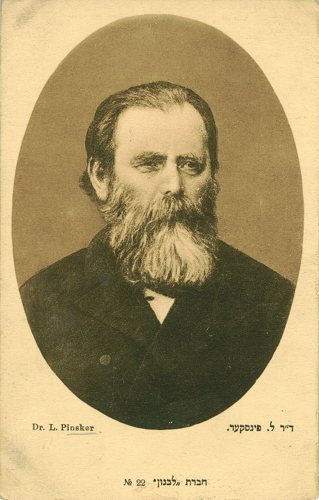 Leon Pinsker1821 – 1891
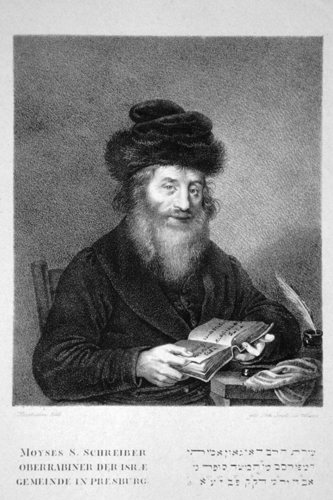 Rabbi Moshe Sofer1762 – 1839
 (Chafetz Chaim) Rabbi Yisrael Meir Kagan1838 – 1933
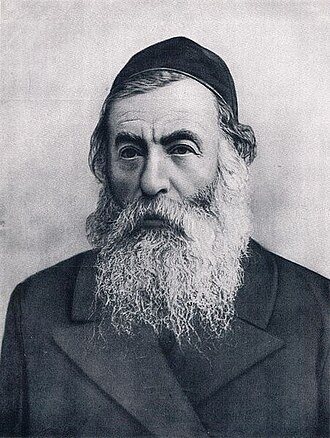 Rabbi Yitzchak Yaakov Reines1839 – 1915
 Baron Edmond de Rothschild1845 – 1934