Rabbi Zvi Hirsch Kalischer
1795 – 1874
Hebrew years: 5555–5634 (ה׳תקנ״ה–ה׳תרל״ד)
Open on the interactive timeline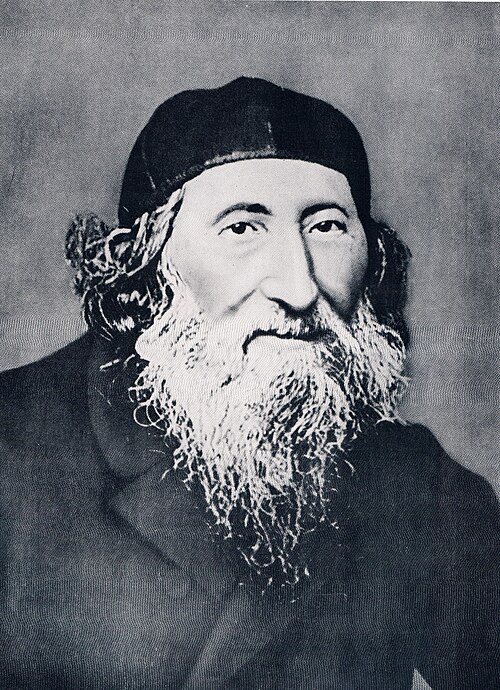
Rabbi Zvi Hirsch Kalischer was born in 1795 in Lissa (Leszno) in Posen, studied under Rabbi Akiva Eger and Rabbi Jacob of Lissa, and spent most of his life in Thorn (Toruń), where he served the community as rabbi for some forty years without taking a salary. A respected halachist, he wrote commentaries on the Shulchan Aruch, yet his lasting work is Derishat Zion (Seeking Zion), published in 1862. In it he taught that the redemption would begin naturally, through human effort: Jews should buy land in the Land of Israel, farm it, train farmers in an agricultural school and protect the settlements with their own guards. He also argued that the commandments tied to the land could be fulfilled again only by those who lived there.
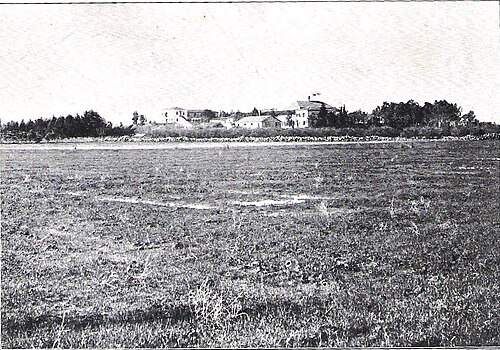
Kalischer pressed Jewish leaders and the Alliance Israélite Universelle for years, and his campaign helped bring about the founding of the agricultural school Mikveh Israel in 1870. He died in Thorn in 1874. Moses Hess praised him in Rome and Jerusalem, and religious Zionism counts him among its founders.
- Hebrew years
- 5555–5634 (ה׳תקנ״ה–ה׳תרל״ד)
- Place
- Thorn (Toruń)
- Category
- Zionism & Modern Figures
- Part of
- Ottoman Period
At the same time
 Moses Montefiore1784 – 1885
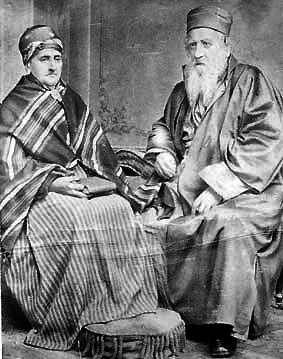 Rabbi Yehuda Alkalai1798 – 1878
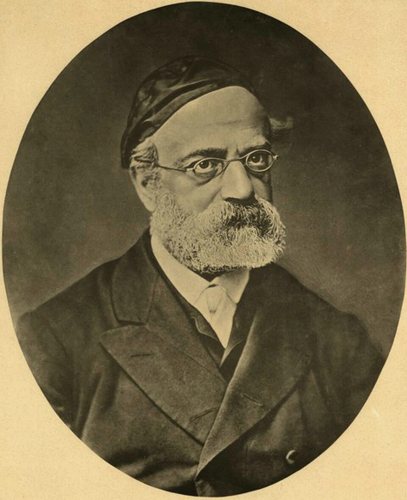 Samson Raphael Hirsch1808 – 1888
 Rabbi Israel Salanter1809 – 1883
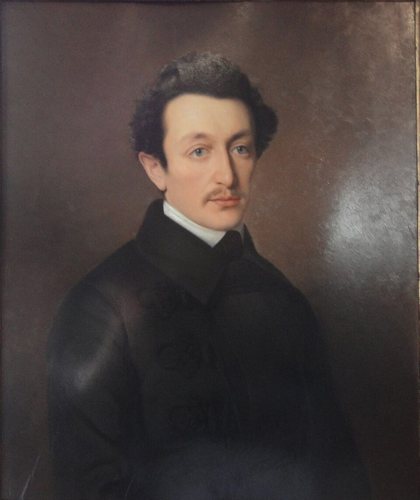 Moses Hess1812 – 1875
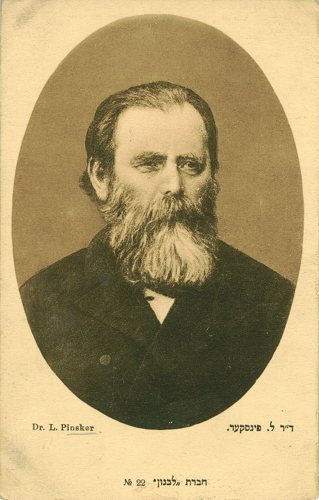 Leon Pinsker1821 – 1891
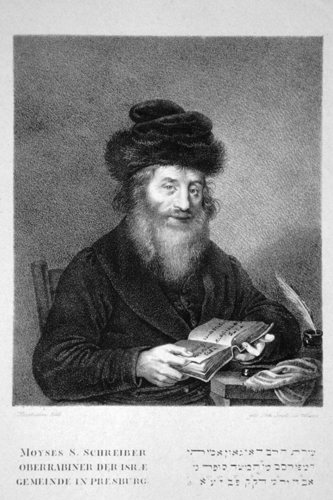 Rabbi Moshe Sofer1762 – 1839
 (Chafetz Chaim) Rabbi Yisrael Meir Kagan1838 – 1933
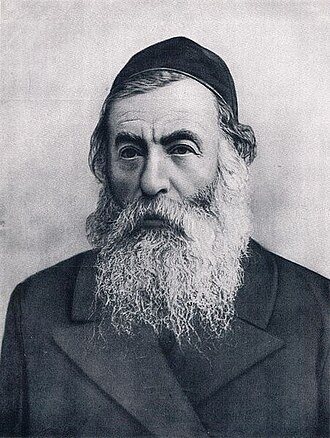 Rabbi Yitzchak Yaakov Reines1839 – 1915
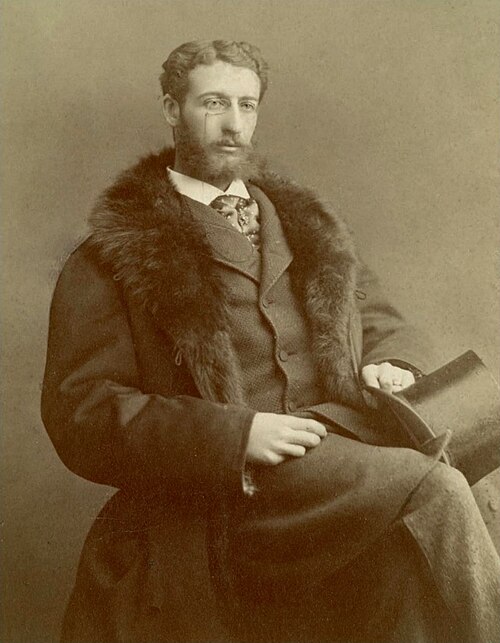 Baron Edmond de Rothschild1845 – 1934