Samaritan Schism
−450
Hebrew year: 3311 (ג׳שי״א)
Open on the interactive timeline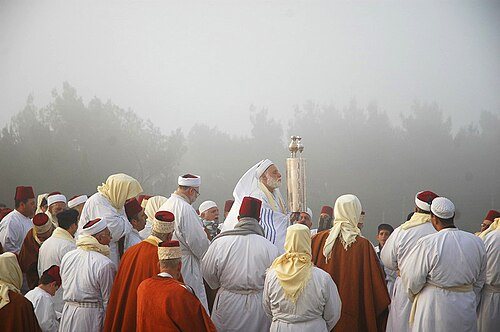
The Samaritans, who call themselves Shomrim, "keepers" of the Torah, trace their descent to the northern tribes of Ephraim and Manasseh and to Levitical priests, and hold that Mount Gerizim above Shechem, not Jerusalem, is the place God chose. 2 Kings 17:24–41 tells a different origin: after Samaria's fall the Assyrians resettled people from Babylon, Cuthah, Avva, Hamath and Sepharvaim in the land, who mixed the worship of the Lord with their own gods; hence the rabbinic name Kutim. The break was gradual. Nehemiah clashed with Sanballat, governor of Samaria, and expelled a grandson of the high priest who had married Sanballat's daughter (Nehemiah 13:28), and Yitzhak Magen's excavations have dated the first sacred precinct on Mount Gerizim to the middle of the 5th century before the common count.
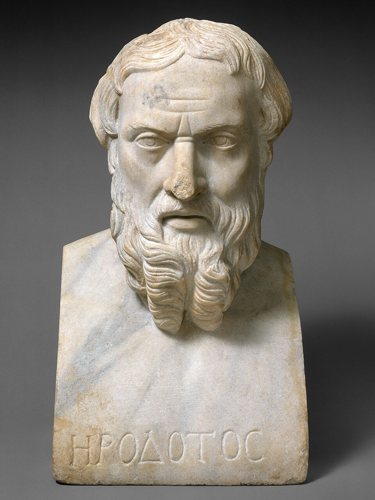
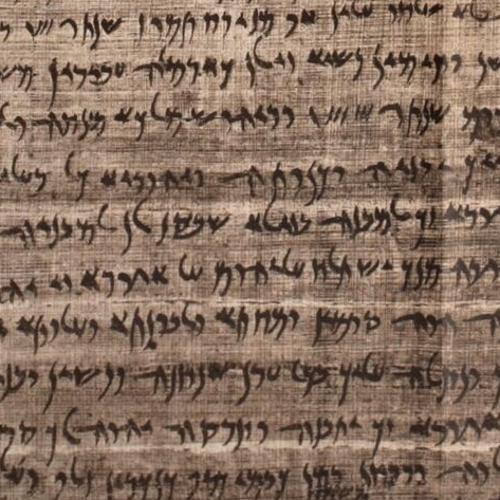
Josephus (Antiquities 11 and 13) describes the Gerizim temple and its destruction by the Hasmonean John Hyrcanus around −110, which made the rift permanent. The Samaritans keep their own Torah in the old Hebrew script, with a commandment to build an altar on Gerizim included among their Ten Commandments, and their own high priesthood. Some 900 Samaritans live today on Mount Gerizim and in Holon and still sacrifice Passover lambs on the mountain.
- Hebrew year
- 3311 (ג׳שי״א)
- Place
- Mount Gerizim
- Category
- Major events
- Part of
- Persian Period
Read the text
- 2 Kings 17:24–41 · Hebrew and English on Sefaria