Tanya
1796
Hebrew year: 5556 (ה׳תקנ״ו)
Open on the interactive timeline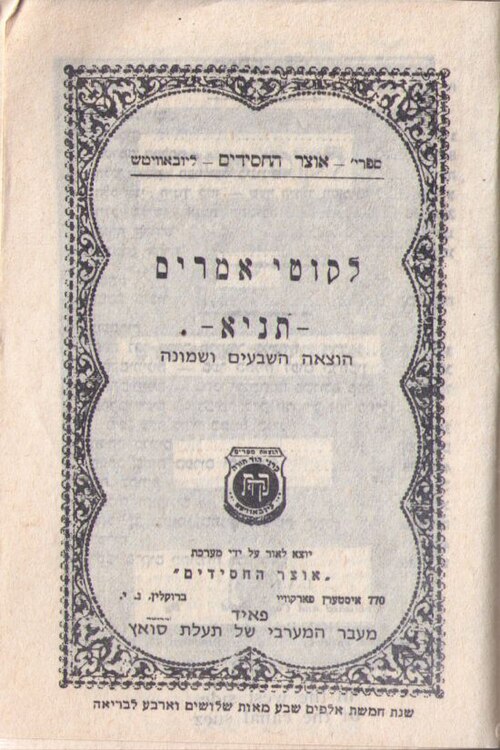
The Tanya, also called Likkutei Amarim ("Collected Sayings"), by Rabbi Shneur Zalman of Liadi, was first printed in Slavuta in 1796. It takes its name from its opening word, "Tanya" ("it was taught"), which quotes a teaching in the Talmud (Niddah 30b) that before birth every soul is made to swear, "Be righteous and not wicked." Its first part, the Book of the Intermediates (Sefer shel Beinonim), describes the beinoni: a person who still feels the pull of the evil inclination but never gives in to it in deed, word or thought. It explains the struggle between the divine soul and the animal soul within every Jew, and how the mind can lead the heart toward love and fear of God. Later editions added four more parts on the unity of God, repentance, and letters to the Chassidim.
The Tanya became the foundational text of Chabad Chassidut, called "the Written Torah of Chassidut", and is studied daily by Chabad Chassidim. Under the Lubavitcher Rebbe, Rabbi Menachem Mendel Schneerson, it was printed in thousands of editions in cities and towns around the world, many of them in the Land of Israel.
- Hebrew year
- 5556 (ה׳תקנ״ו)
- Place
- Slavuta
- Category
- Books, scripts & languages
- Part of
- Ottoman Period
Read the text
- Tanya, Likkutei Amarim 1 · Hebrew and English on Sefaria
- Niddah 30b · Hebrew and English on Sefaria
At the same time
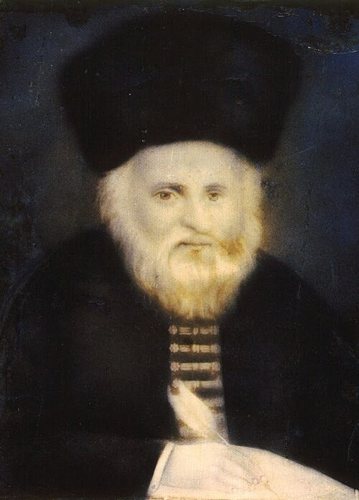 Vilna Gaon1720 – 1797
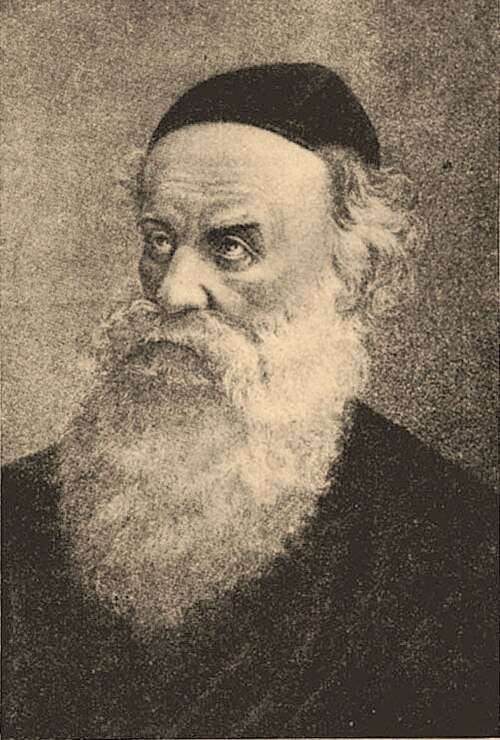 (Alter Rebbe) Rabbi Shneur Zalman1745 – 1812
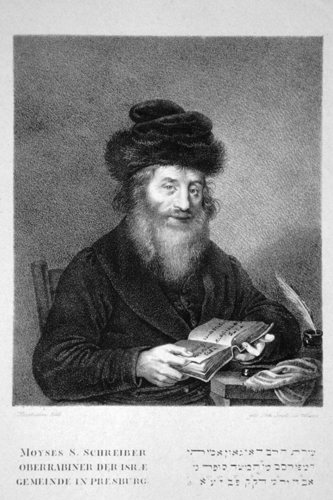 Rabbi Moshe Sofer1762 – 1839
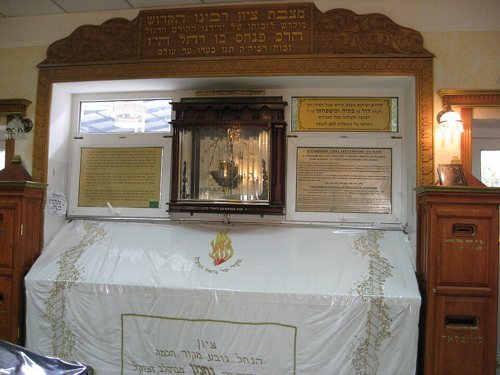 Rabbi Nachman of Breslov1772 – 1810
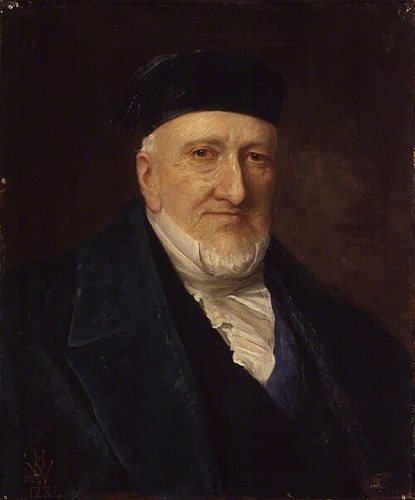 Moses Montefiore1784 – 1885
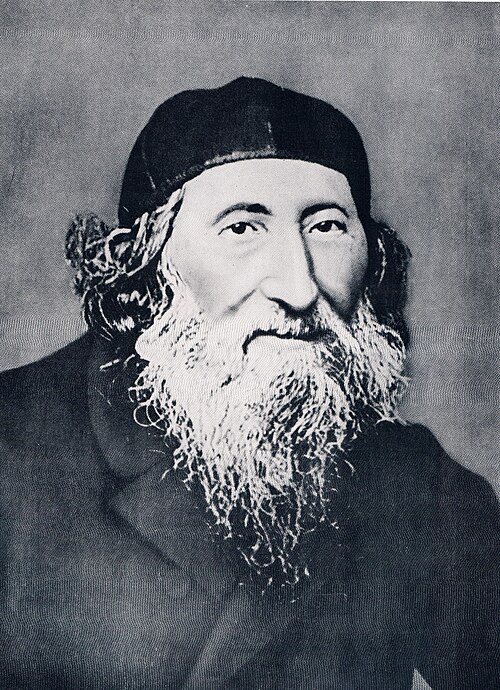 Rabbi Zvi Hirsch Kalischer1795 – 1874