Battle of Beth Horon
66
Hebrew year: 3826 (ג׳תתכ״ו)
Open on the interactive timeline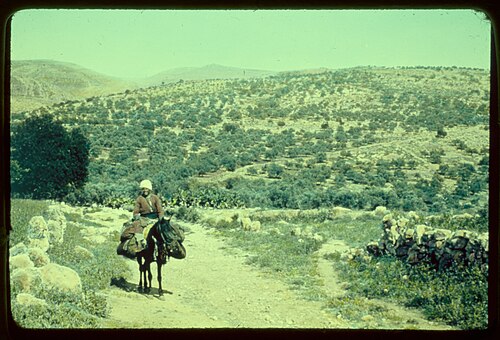
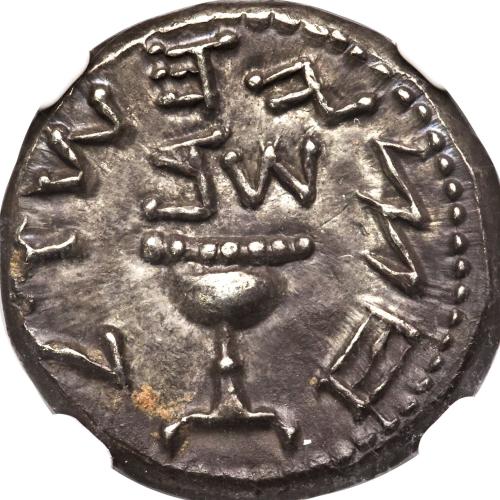
In the autumn of 66, after the revolt broke out in Jerusalem, Cestius Gallus, the Roman governor of Syria, marched on Judea with the Twelfth Legion, detachments of others and allied troops, some 30,000 men. He burned Lydda, camped on Mount Scopus, broke into the northern part of the city and attacked the Temple walls, then suddenly withdrew. As his army went down the narrow pass of Beth Horon, Jewish fighters attacked it from the heights on every side. Josephus (War 2.499–555) says 5,300 infantry and 480 cavalry fell, and that Cestius escaped by night, leaving his siege engines and baggage behind; Suetonius adds that the legion lost its eagle. It happened in the month of Marheshvan, in November 66.
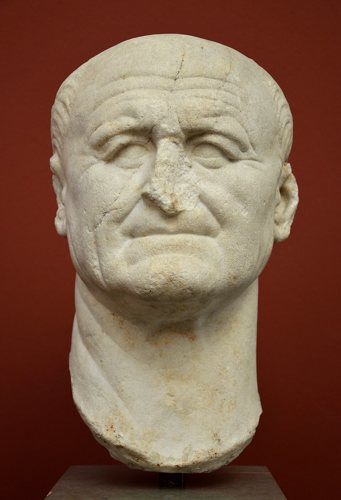
It was one of the worst defeats a Roman army ever suffered at the hands of a provincial revolt. The victory convinced many that Rome could be beaten: a government was formed in Jerusalem and commanders, Josephus among them, were sent to the provinces, while Nero gave Vespasian the war. The same pass had seen Joshua's pursuit of the Amorite kings and Judah Maccabee's victory over Seron.
- Hebrew year
- 3826 (ג׳תתכ״ו)
- Place
- Beth Horon
- Category
- Wars & battles
- Part of
- Roman Rule
At the same time
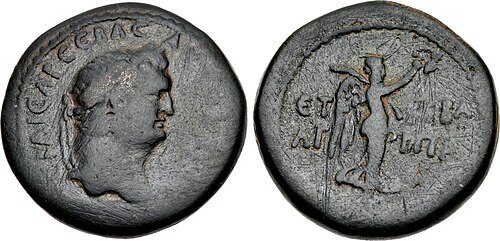 King Herod Agrippa II50 – 92
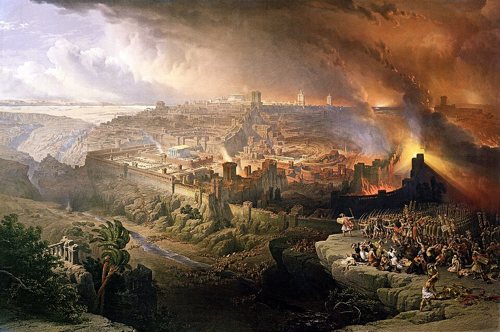 Eleazar ben Simon30 – 70
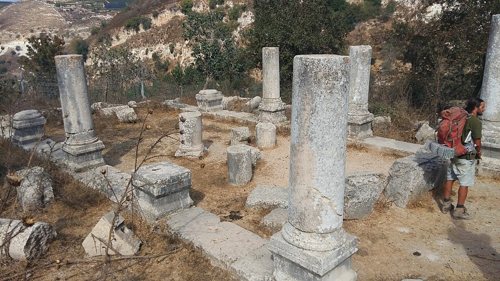 John of Giscala30 – 70
 Simon bar Giora35 – 70
 Eleazar ben Yair35 – 73
 Flavius Josephus37 – 100
 Rabban Yochanan ben Zakkai30 – 90
 Rabbi Akiva50 – 135