Rabbi Akiva
50 – 135
Hebrew years: 3810–3895 (ג׳תת״י–ג׳תתצ״ה)
Open on the interactive timeline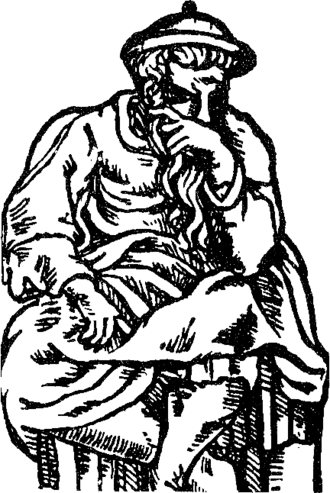
Rabbi Akiva ben Yosef was, according to tradition, an unlearned shepherd of the wealthy Jerusalemite Kalba Savua until about the age of forty, when Kalba Savua's daughter, remembered as Rachel, married him and urged him to study, though her father disowned her (Ketubot 62b–63a; Avot de-Rabbi Natan 6). The Talmud says he returned after twenty-four years with 24,000 students. Teaching at Bnei Brak, he derived laws from every letter of the Torah, laid foundations for the Mishnah, called "Love your neighbor as yourself" a great principle of the Torah, defended the Song of Songs as "holy of holies" (Mishnah Yadayim 3:5), and taught that "everything is foreseen, yet freedom of choice is given" (Avot 3:15).
He hailed Shimon bar Kosiba as the Messiah, applying to him "a star shall come out of Jacob" (Jerusalem Talmud Ta'anit 4:5). When Hadrian banned Torah study, Akiva kept teaching, explaining with the parable of the fox and the fish that Jews without Torah are like fish out of water. The Romans tore his flesh with iron combs, and he died reciting the Shema, his soul leaving on the word "One" (Berakhot 61b). He is among the Ten Martyrs recalled on Yom Kippur and Tisha B'Av, and the death of his students is mourned during the Omer.
- Hebrew years
- 3810–3895 (ג׳תת״י–ג׳תתצ״ה)
- Place
- Bnei Brak
- Category
- Sages, Scholars & Writers
- Part of
- Roman Rule
Read the text
- Pirkei Avot 3:13–16 · Hebrew and English on Sefaria
- Berakhot 61b · Hebrew and English on Sefaria
At the same time
 Flavius Josephus37 – 100
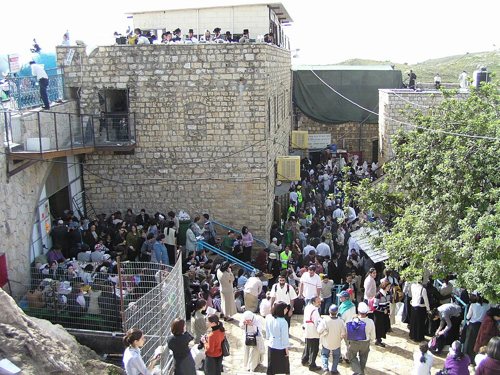 Rabbi Shimon bar Yochai (Rashbi)90 – 160
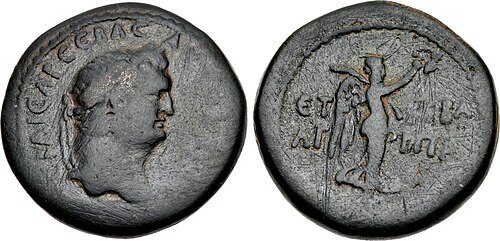 King Herod Agrippa II50 – 92
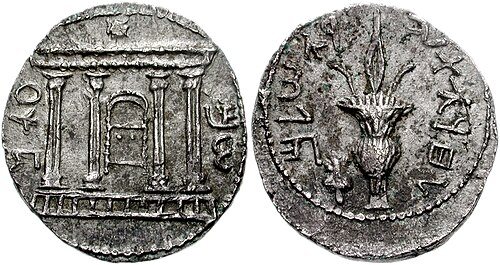 Shimon Bar Kokhba95 – 135
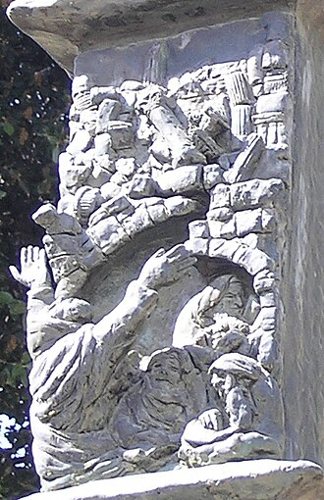 Rabban Yochanan ben Zakkai30 – 90
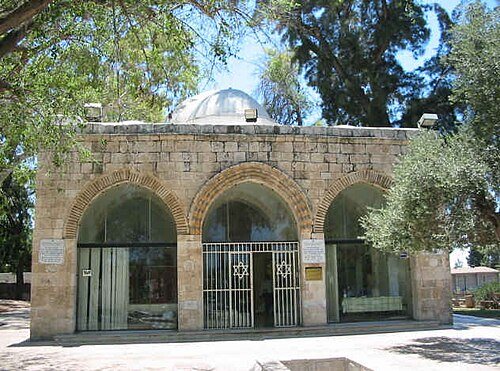 Rabban Gamliel II of Yavne80 – 120
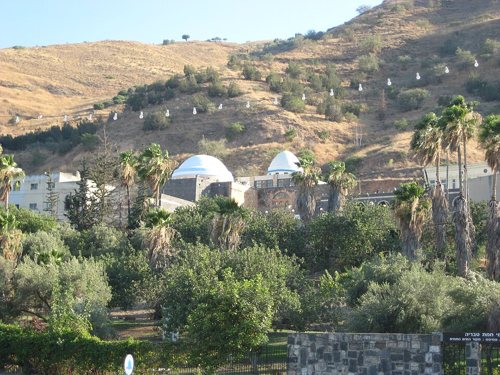 Rabbi Meir100 – 163
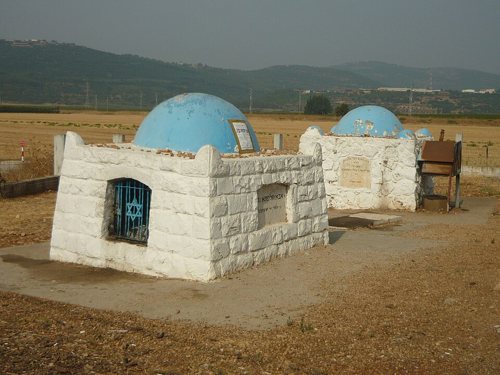 Rabbi Yose ben Halafta100 – 165
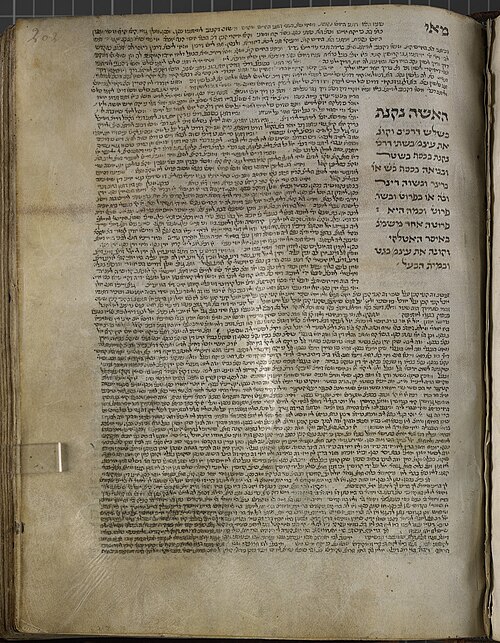 Bruriah110 – 160
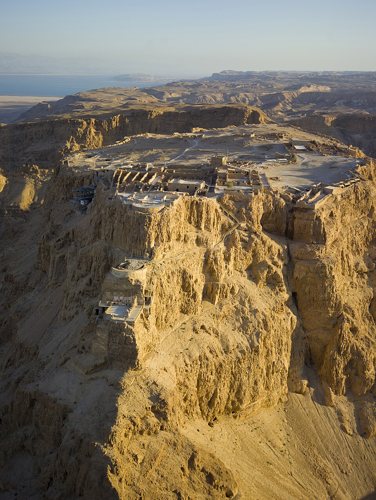 Eleazar ben Yair35 – 73