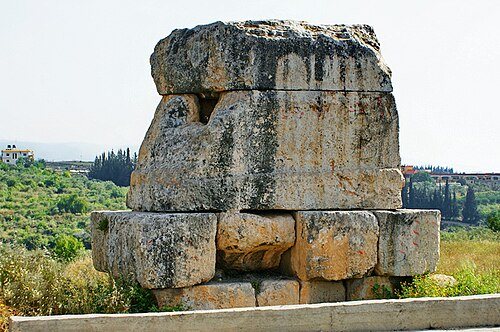
King Solomon
−970 – −930
Hebrew years: 2924–2964 (ב׳תתקכ״ד–ב׳תתקס״ד)
Open on the interactive timeline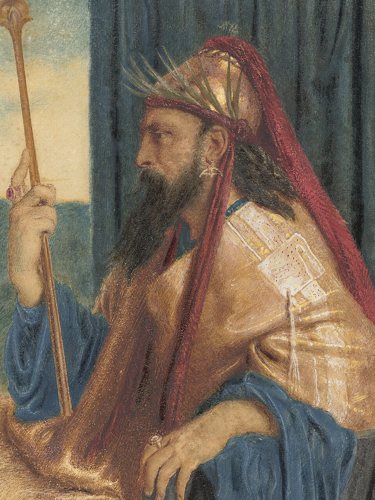
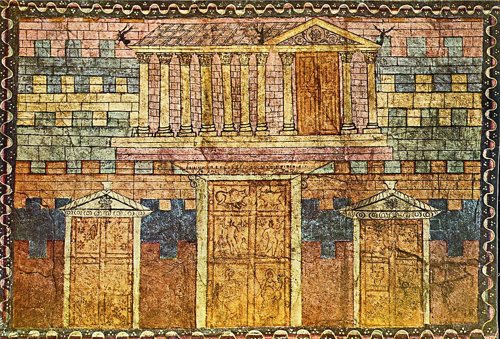
Solomon, son of David and Bathsheba, was also named Jedidiah, "beloved of the LORD", by Nathan. With Nathan, Bathsheba, Zadok and Benaiah he secured the throne against his brother Adonijah and was anointed at the Gihon spring (1 Kings 1). At Gibeon he asked God in a dream for "an understanding heart" and soon judged between two women claiming the same baby (1 Kings 3). In his fourth year, "the 480th year after Israel came out of Egypt" (1 Kings 6:1), the verse behind this timeline's Exodus date of −1446, he began the First Temple, built over seven years with cedar from Hiram of Tyre and dedicated at Sukkot (1 Kings 8). He fortified Hazor, Megiddo and Gezer, sent ships from Ezion-geber to Ophir, and received the Queen of Sheba. But his 700 wives and 300 concubines, among them Pharaoh's daughter, led him to build shrines for Chemosh and Molech, and his forced labor bred resentment. The prophet Ahijah foretold that ten tribes would be torn from his son (1 Kings 11).
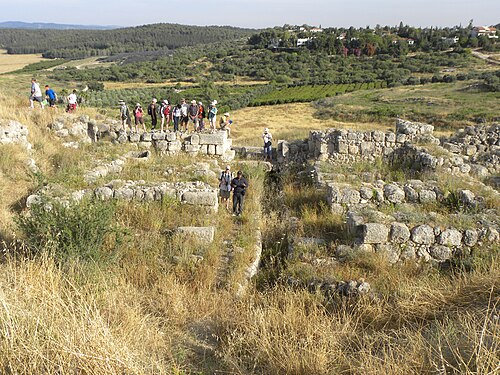
Tradition credits him with Proverbs, Ecclesiastes and the Song of Songs. Yigael Yadin attributed nearly identical six-chambered gates at Hazor, Megiddo and Gezer to Solomon's builders, a dating still debated.
- Hebrew years
- 2924–2964 (ב׳תתקכ״ד–ב׳תתקס״ד)
- Place
- Jerusalem
- Category
- United Monarchy
- Part of
- United Monarchy
Read the text
- 1 Kings 3 · Hebrew and English on Sefaria
- 1 Kings 11 · Hebrew and English on Sefaria
At the same time
 Zadok (High Priest)−969 – −940
 Prophet Nathan−1000 – −960
 Prophet Ahijah (Israel)−940 – −900
- Prophet Iddo (Judah)−935 – −920
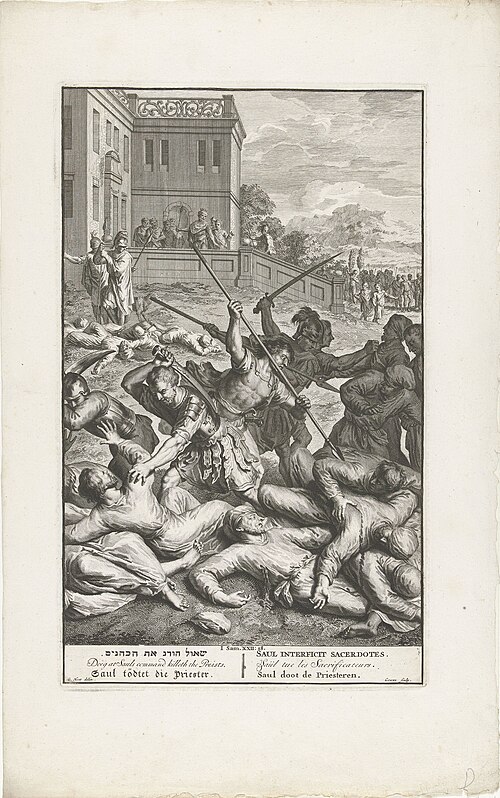 Abiathar (High Priest)−1012 – −969
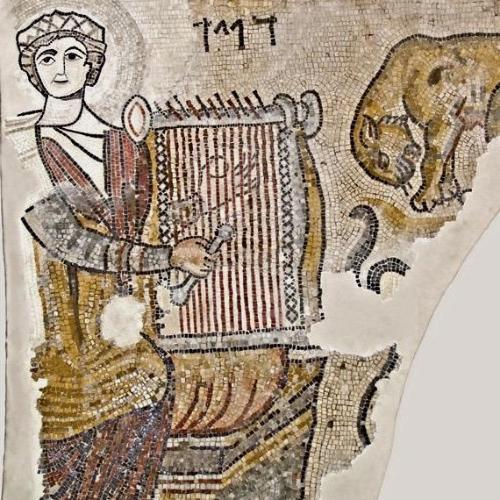 King David−1010 – −970
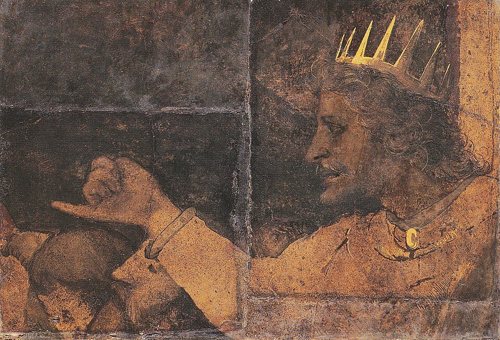 King Rehoboam (Judah)−930 – −913
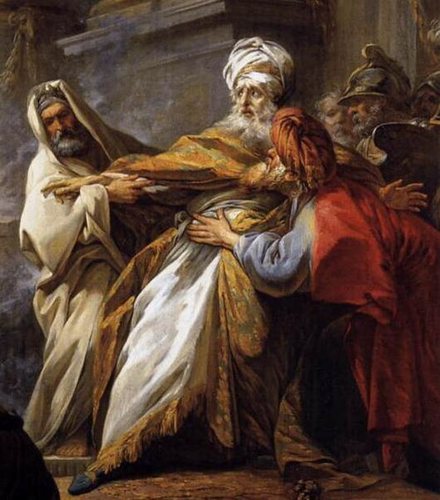 King Jeroboam I (Israel)−930 – −910
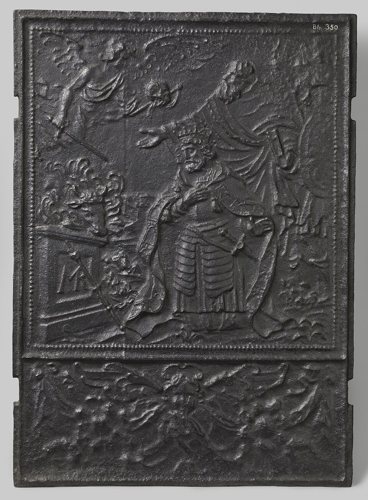 Prophet Gad−1010 – −970
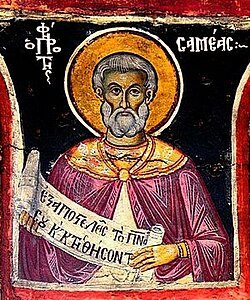 Prophet Shemaiah (Judah)−930 – −920