Leah
−1800 – −1730
Hebrew years: 1961–2031 (א׳תתקס״א–ב׳ל״א)
Open on the interactive timeline
Genesis 29 calls Leah, Laban's elder daughter, the one with "tender eyes," while Rachel was beautiful. On Jacob's wedding night Laban gave him Leah in place of Rachel, and Jacob ended up marrying both sisters. "The Lord saw that Leah was unloved" and gave her children first: Reuben, Simeon, Levi and Judah, whose name means "this time I will praise the Lord," then Issachar, Zebulun and a daughter, Dinah; her maid Zilpah bore Gad and Asher (Genesis 29–30). Leah died before Jacob went down to Egypt, and he buried her in the Cave of Machpelah in Hebron, where he asked to be laid beside her (Genesis 49:31).
Six of the twelve tribes descend from Leah, among them Levi, the tribe of Moses, Aaron and the priests, and Judah, the tribe of David and the kings, whose name gave the word "Jew" (Yehudi). The Talmud (Berakhot 7b) says no one had thanked God since creation until Leah did at Judah's birth. The elders' blessing at Boaz's wedding asks that the bride be "like Rachel and like Leah, who together built the house of Israel" (Ruth 4:11).
- Hebrew years
- 1961–2031 (א׳תתקס״א–ב׳ל״א)
- Place
- Hebron
- Category
- Patriarchs & Biblical Figures
- Part of
- The Patriarchs
Read the text
- Genesis 29 · Hebrew and English on Sefaria
- Genesis 30 · Hebrew and English on Sefaria
At the same time
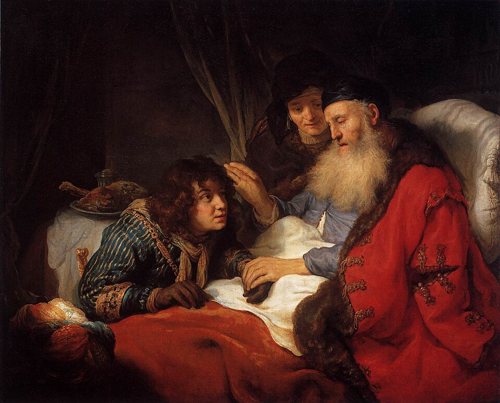 Jacob (Israel)−1858 – −1711
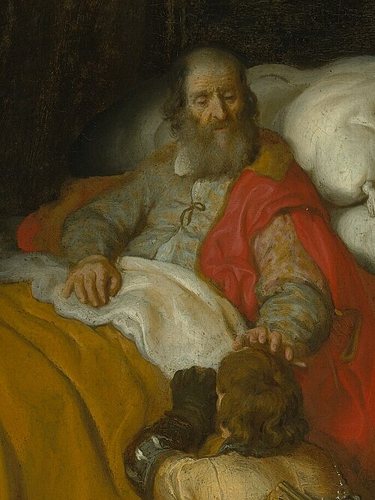 Isaac−1918 – −1738
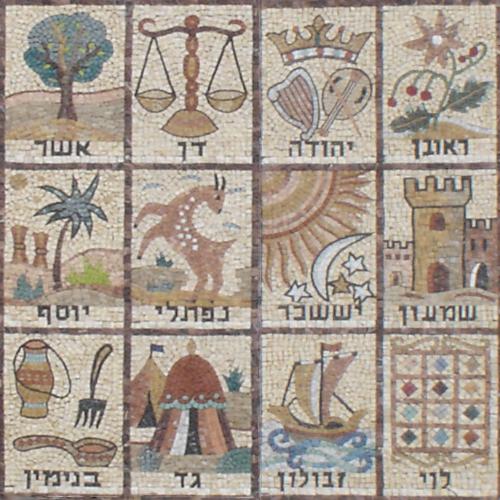 12 Tribes of Israel−1785 – −1657
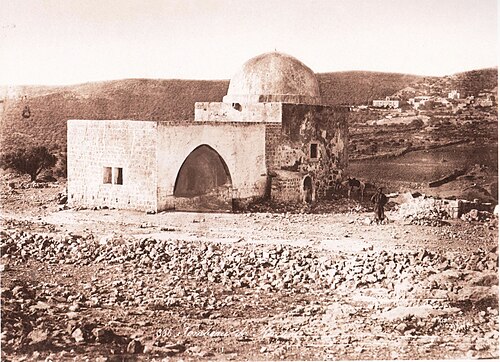 Rachel−1800 – −1751
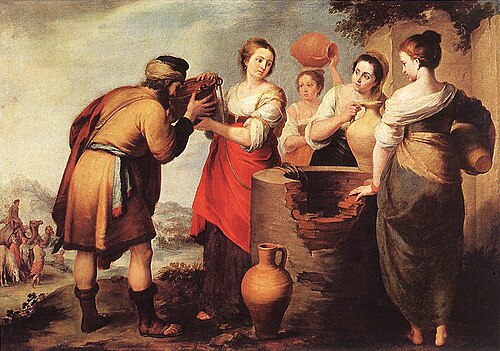 Rebecca−1881 – −1761
 Joseph−1767 – −1657