Isaac
−1918 – −1738
Hebrew years: 2048–2228 (ב׳מ״ח–ב׳רכ״ח)
Open on the interactive timeline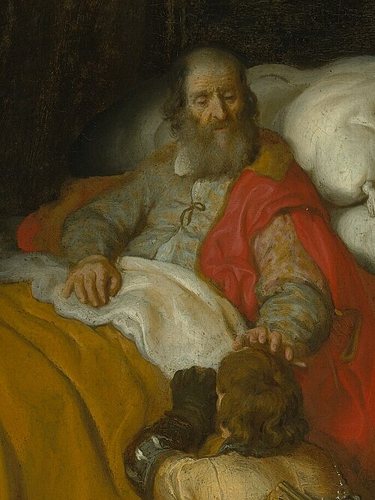
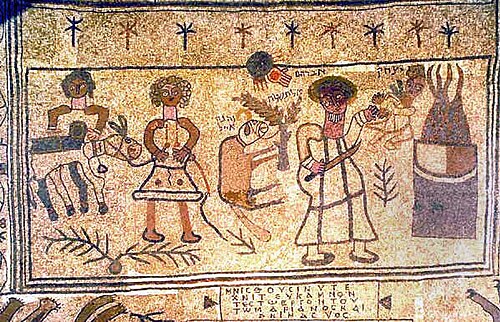
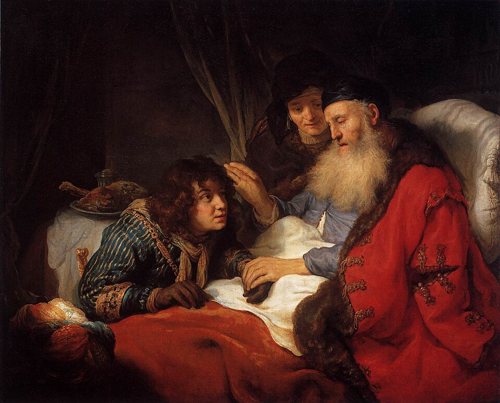
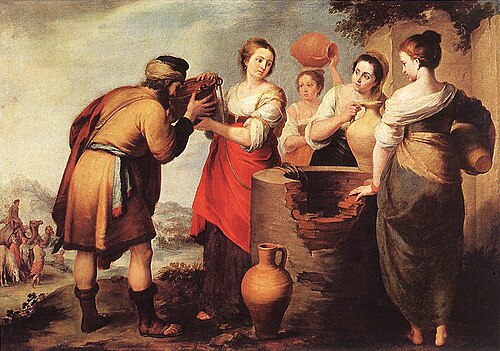
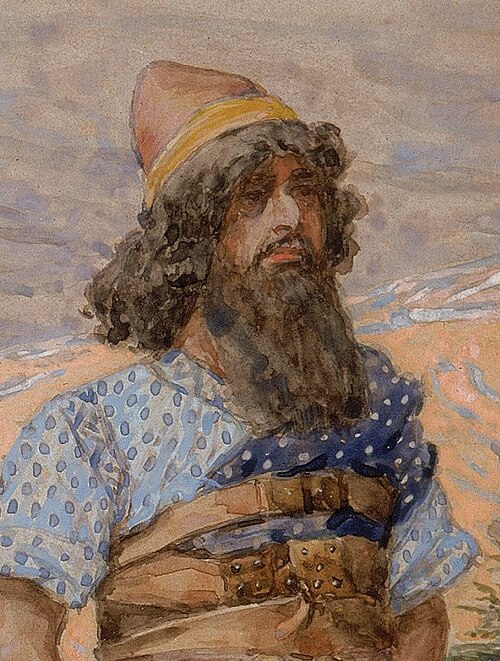
According to Genesis, Isaac (Yitzhak, "he will laugh") was born to Abraham at 100 and Sarah at 90, and was named for Sarah's laughter at the promise (Genesis 17–21). On Mount Moriah Abraham bound him on the altar until an angel stopped the sacrifice and a ram caught in a thicket took his place (Genesis 22). At 40 he married Rebekah, brought from Aram-Naharaim by Abraham's servant, and at 60 became the father of the twins Esau and Jacob. During a famine he stayed in Gerar with Abimelech, reaped a hundredfold, reopened his father's wells (Esek, Sitnah, Rehoboth) and made a covenant at Beersheba (Genesis 26). Old and blind, he blessed Jacob disguised as Esau (Genesis 27). He died at 180 and was buried by his two sons in the Cave of Machpelah in Hebron.
The Akedah, the binding of Isaac, is read in synagogue on the second day of Rosh Hashanah and recited in daily morning prayers, and the ram's horn of the shofar recalls it. The Talmud (Berakhot 26b) credits Isaac with instituting the afternoon prayer, Minchah, since he "went out to meditate in the field toward evening" (Genesis 24:63). He is the only patriarch who never left the Land of Israel.
- Hebrew years
- 2048–2228 (ב׳מ״ח–ב׳רכ״ח)
- Place
- Beersheba
- Category
- Patriarchs & Biblical Figures
- Part of
- The Patriarchs
Read the text
- Genesis 22 · Hebrew and English on Sefaria
- Genesis 26 · Hebrew and English on Sefaria
At the same time
 Jacob (Israel)−1858 – −1711
 Rebecca−1881 – −1761
 Abraham−2018 – −1843
 Leah−1800 – −1730
 Rachel−1800 – −1751
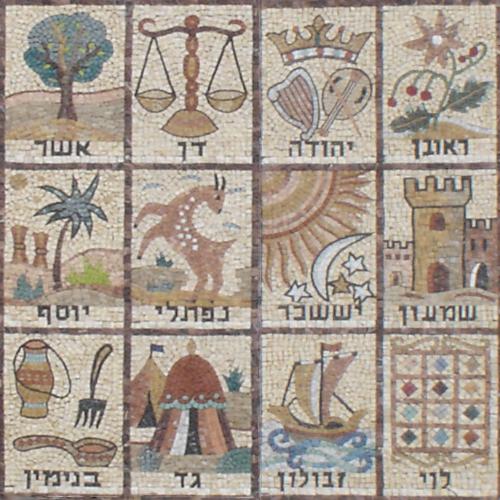 12 Tribes of Israel−1785 – −1657
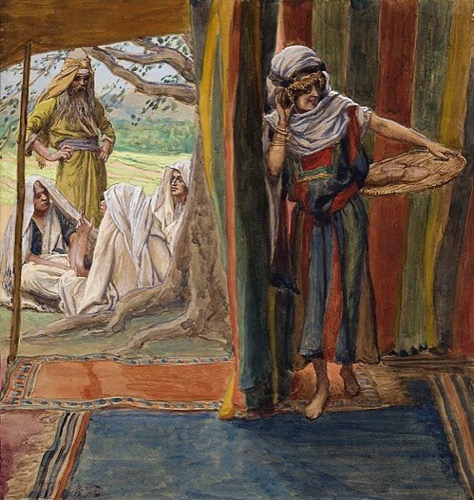 Sarah−2008 – −1881
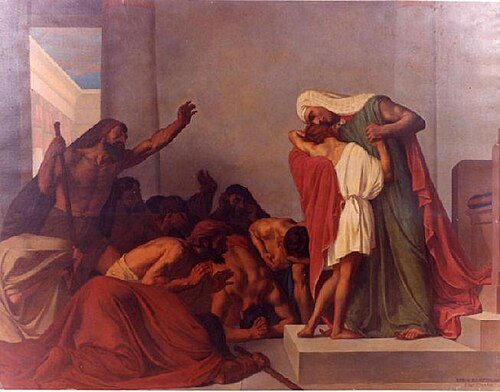 Joseph−1767 – −1657
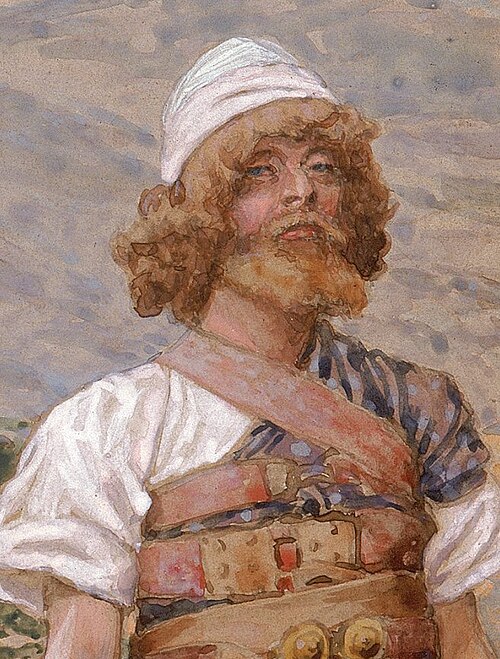 Shem−2498 – −1898
 Japheth−2500 – −1900