Nebuchadnezzar II (Babylon)
−586 · until −562
Hebrew year: 3175 (ג׳קע״ה)
Open on the interactive timeline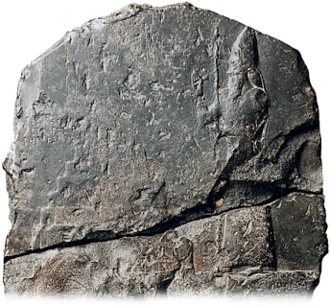
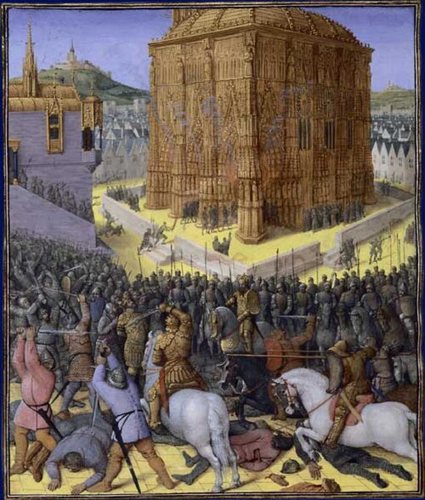
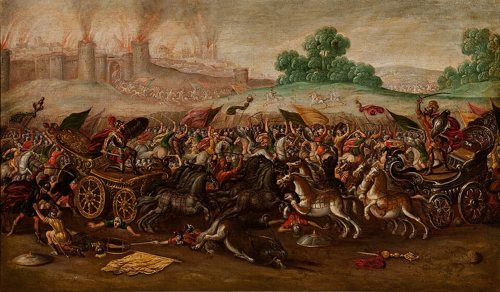
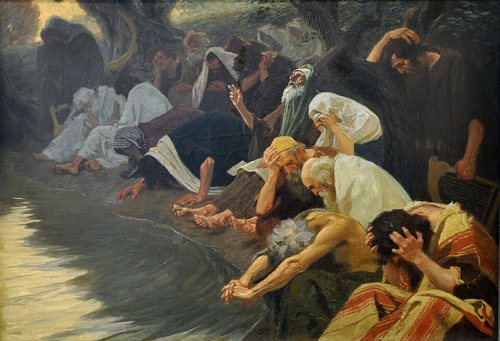
Babylonian king Nebuchadnezzar II conquered Jerusalem, destroyed the First Temple, ended the Kingdom of Judah, and deported many Judean elites to Babylon. This became one of the most traumatic events in Jewish history and shaped later Jewish ideas of exile, return, repentance, and national restoration. It marks the transition from the First Temple period to the Babylonian exile.
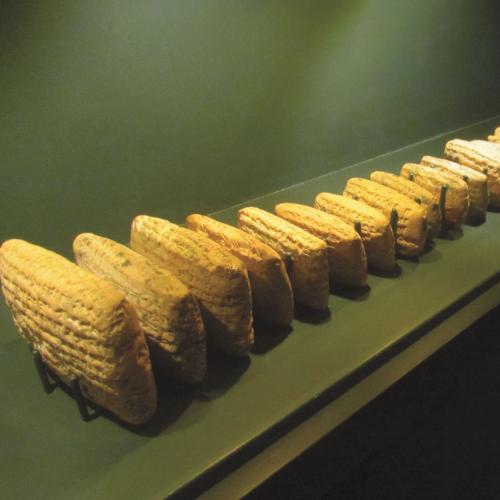
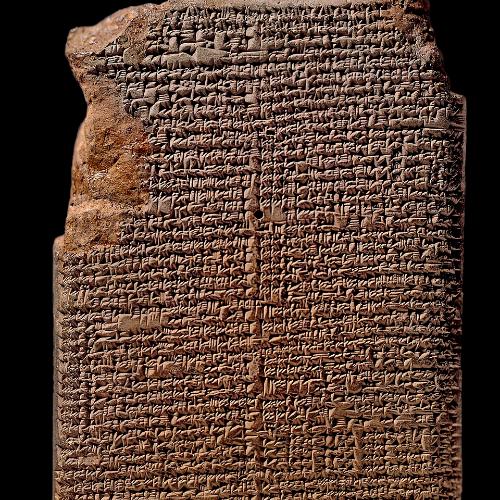
Archaeology in Jerusalem shows destruction by fire from the early 6th century before the common count. Excavations in the City of David, including structures such as the Burnt Room, House of Ahiel, and House of Bullae, revealed burned beams, ash, and destruction layers connected to the Babylonian destruction. Babylonian records also support the broader historical setting of Nebuchadnezzar’s campaigns.
- Hebrew year
- 3175 (ג׳קע״ה)
- Place
- Babylon
- Category
- Foreign rulers & empires
- Part of
- Babylonian Exile
At the same time
 Book of Daniel (Exile)−605 – −503
 Baruch ben Neriah−605 – −570
 Prophet Ezekiel (Exile)−593 – −570
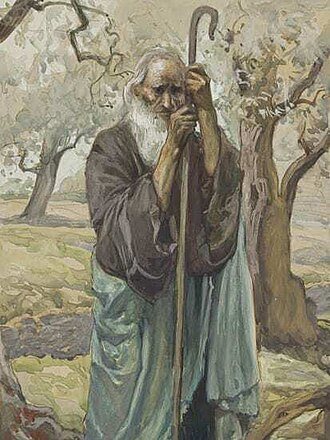 Prophet Obadiah (Judah)−590 – −570
- Governor Gedaliah−586 – −582
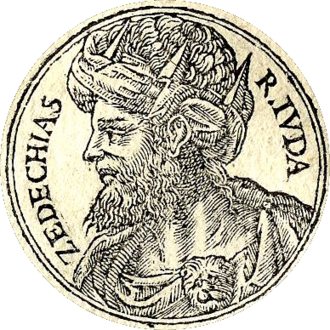 King Zedekiah (Judah)−597 – −586
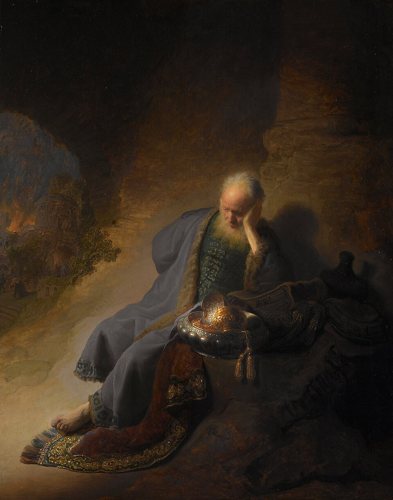 Prophet Jeremiah (Judah)−627 – −586