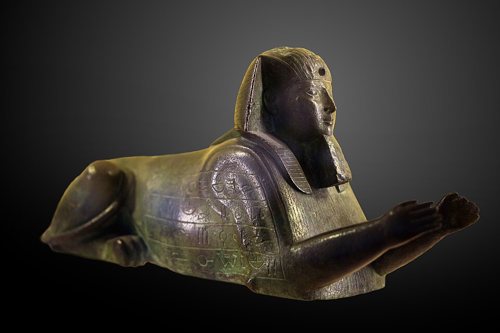
Babylonian Exile
−586
Hebrew year: 3338 (ג׳של״ח)
Open on the interactive timeline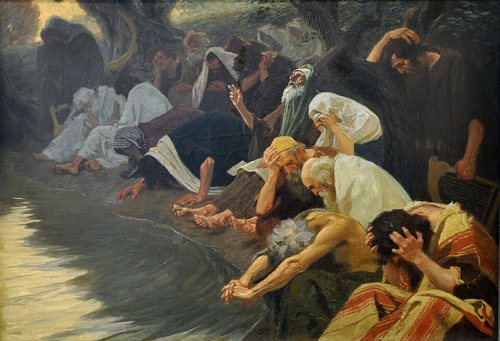
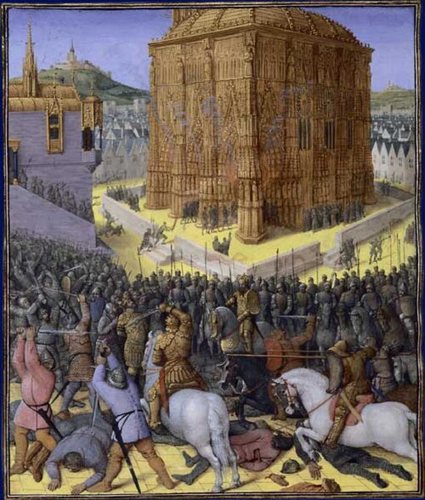
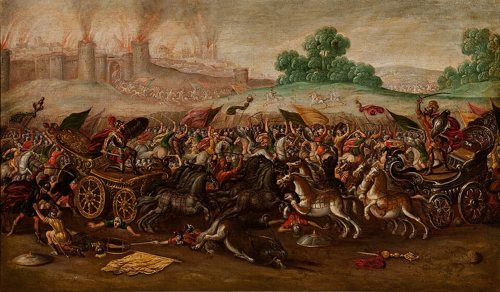
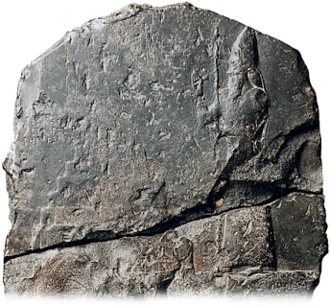
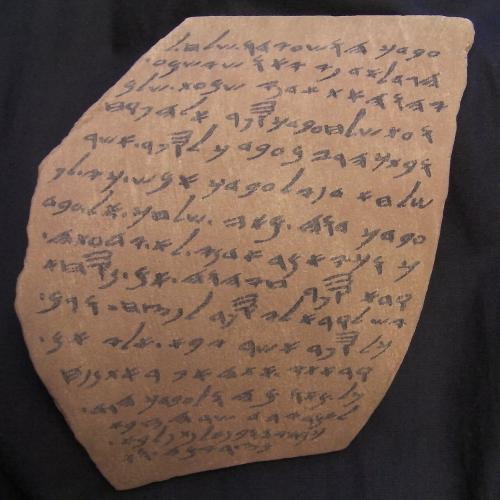
In −586 Nebuchadnezzar's army destroyed Jerusalem and the First Temple and carried much of Judah's population to Babylonia, eleven years after an earlier deportation had taken King Jehoiachin and the leading families. The exiles settled in villages along the canals of southern Mesopotamia, such as al-Yahudu, "the town of Judah", where they farmed, traded and kept their identity.
The exile reshaped Judaism. Without the Temple, prayer, the Sabbath, the study of the Torah and the memory of Zion held the people together, as Psalm 137 remembers: "By the rivers of Babylon, there we sat down and wept, when we remembered Zion." Prophets like Ezekiel spoke to the exiles, and when Cyrus of Persia took Babylon in −539 he allowed them to return. Many chose to stay, beginning the Babylonian Jewish community that would one day produce the Talmud.
- Hebrew year
- 3338 (ג׳של״ח)
- Place
- Babylon
- Category
- Major events
- Part of
- Babylonian Exile
Read the text
- Psalms 137 · Hebrew and English on Sefaria
At the same time
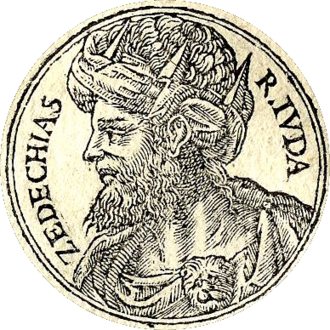 King Zedekiah (Judah)−597 – −586
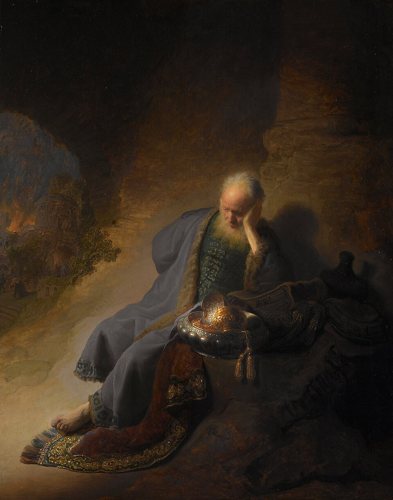 Prophet Jeremiah (Judah)−627 – −586
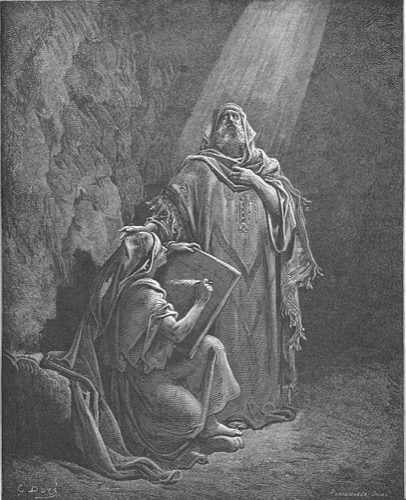 Baruch ben Neriah−605 – −570
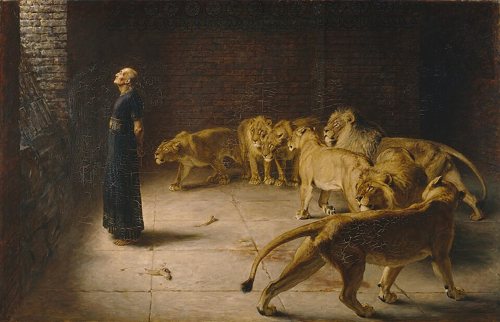 Book of Daniel (Exile)−605 – −503
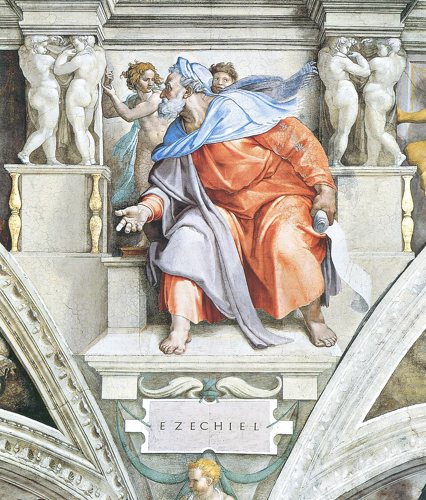 Prophet Ezekiel (Exile)−593 – −570
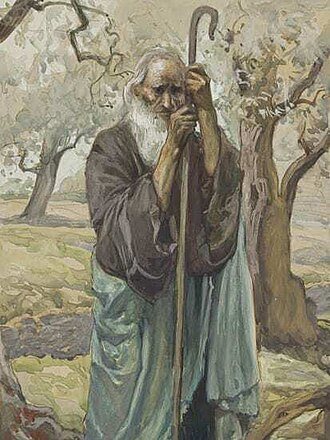 Prophet Obadiah (Judah)−590 – −570
- Governor Gedaliah−586 – −582