Judge Deborah
−1295 – −1255
Hebrew years: 2654–2694 (ב׳תרנ״ד–ב׳תרצ״ד)
Open on the interactive timeline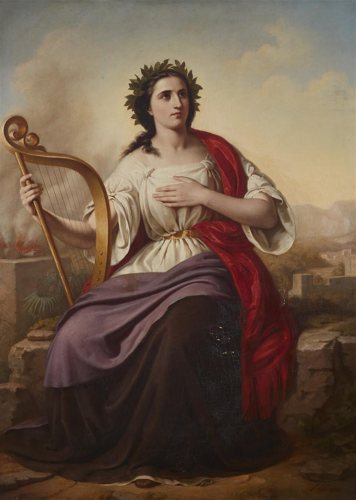
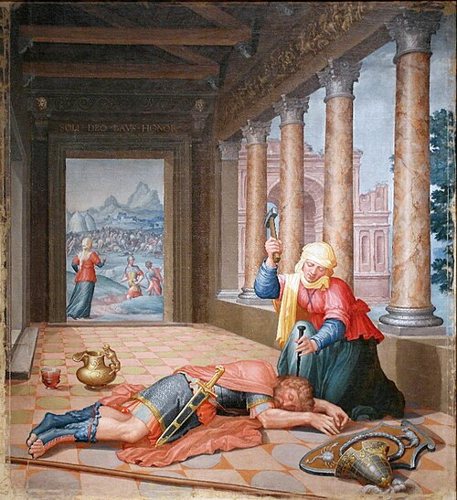
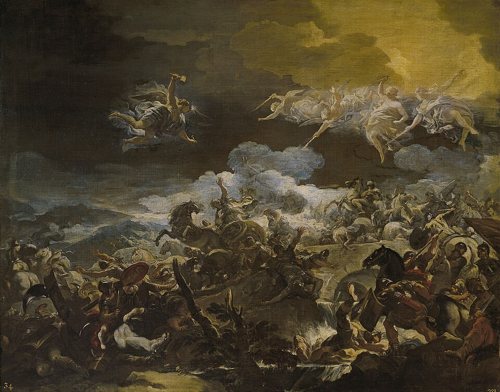
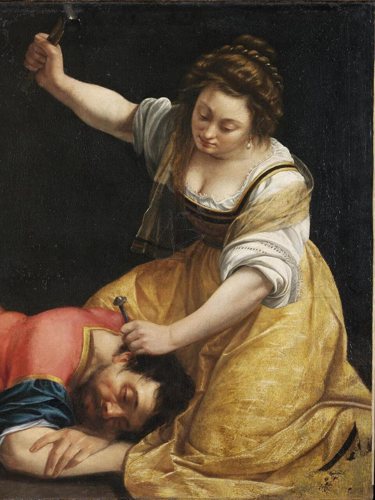
Judges 4–5 tells that Deborah, a prophetess and the wife of Lappidoth, judged Israel sitting under "the palm of Deborah" between Ramah and Bethel in the hill country of Ephraim. For twenty years Jabin, king of Canaan at Hazor, oppressed Israel through his general Sisera and 900 iron chariots. Deborah summoned Barak son of Abinoam from Kedesh in Naphtali; when he refused to go without her, she went, warning that the glory would fall to a woman. Ten thousand men of Naphtali and Zebulun gathered on Mount Tabor and routed Sisera by the Kishon brook, whose waters swept the enemy away. Sisera fled on foot to the tent of Jael, wife of Heber the Kenite, who gave him milk and drove a tent peg through his temple. The land had rest forty years.
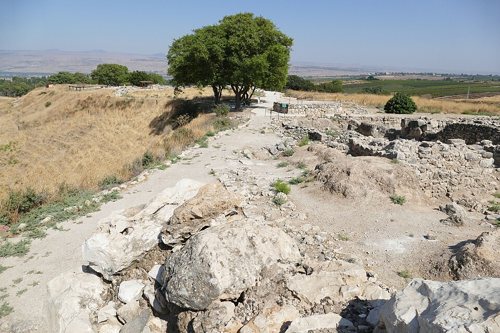
Her victory hymn, the Song of Deborah (Judges 5), with lines such as "the stars fought from their courses against Sisera", is considered one of the oldest poems in the Hebrew Bible. It is read as the haftarah on Shabbat Shirah alongside the Song of the Sea. Hazor, which she helped humble, was the largest Canaanite city, covering some 80 hectares.
- Hebrew years
- 2654–2694 (ב׳תרנ״ד–ב׳תרצ״ד)
- Place
- Bethel
- Category
- Judges
- Part of
- Conquest & Judges
Read the text
At the same time
 Bukki (High Priest)−1290 – −1250
 Abishua (High Priest)−1330 – −1290
 Judge Ehud−1335 – −1295
 Judge Gideon−1255 – −1215