Hophra (Egypt)
−589 · until −570
Hebrew year: 3172 (ג׳קע״ב)
Open on the interactive timeline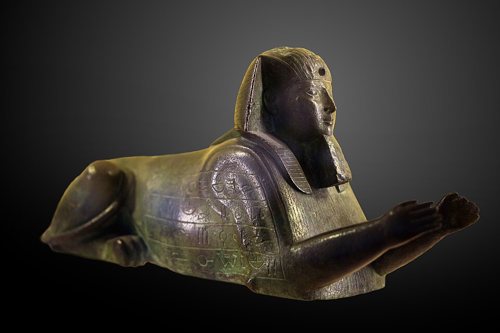
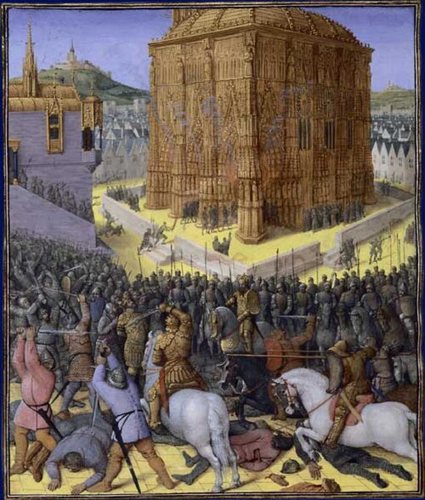
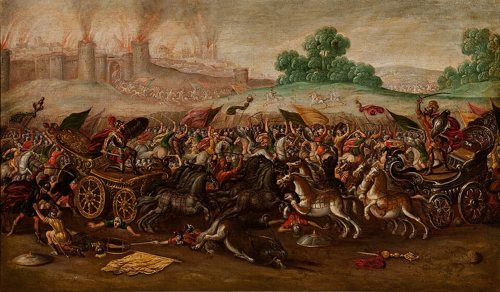
Hophra, known to the Greeks as Apries, was pharaoh of Egypt's 26th Dynasty, ruling from Sais. When Zedekiah of Judah rebelled against Babylon, an Egyptian army marched out and Nebuchadnezzar briefly lifted the siege of Jerusalem, but Jeremiah warned that Pharaoh's army would go home and the Babylonians would return and burn the city, as they did in −586 (Jeremiah 37:5–11). Ezekiel attacked him as "the great crocodile lying in the midst of his rivers, who says, 'My Nile is my own'" (Ezekiel 29:3), and one of the Lachish letters reports that a Judean army commander had gone down to Egypt, probably seeking help.
After the destruction, Judean refugees, Jeremiah among them, fled to Egypt under Hophra's rule, and Jeremiah 44:30, the one biblical verse that names him, foretold that he would be handed over to his enemies. According to Herodotus (Histories 2.161–169), a failed campaign against Cyrene provoked an army revolt; his general Amasis took the throne, and Apries was later killed. He stands for Judah's last, failed hope that Egypt would shield it from Babylon.
- Hebrew year
- 3172 (ג׳קע״ב)
- Place
- Sais
- Category
- Foreign rulers & empires
- Part of
- Babylonian Exile
At the same time
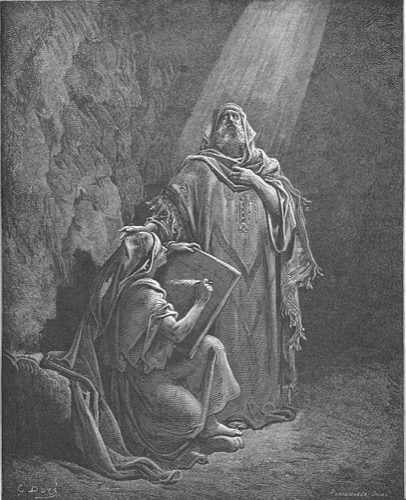 Baruch ben Neriah−605 – −570
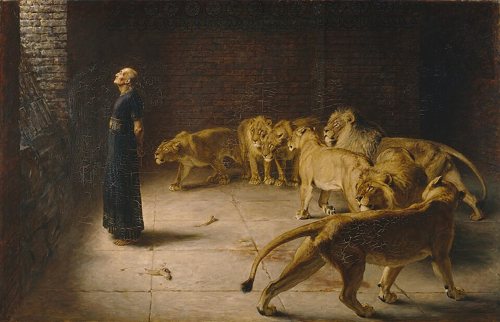 Book of Daniel (Exile)−605 – −503
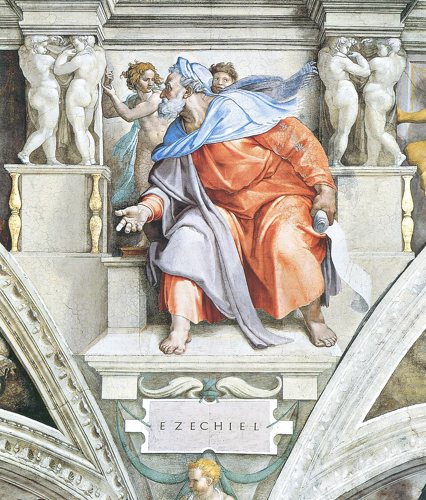 Prophet Ezekiel (Exile)−593 – −570
 Prophet Obadiah (Judah)−590 – −570
- Governor Gedaliah−586 – −582
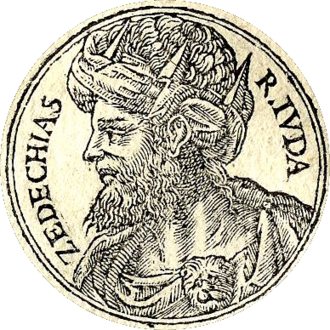 King Zedekiah (Judah)−597 – −586
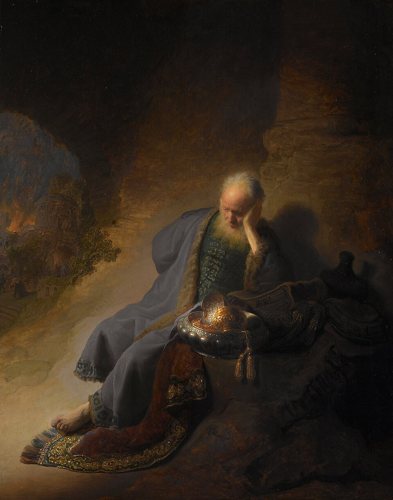 Prophet Jeremiah (Judah)−627 – −586