Lachish letters
−588
Hebrew year: 3173 (ג׳קע״ג)
Open on the interactive timeline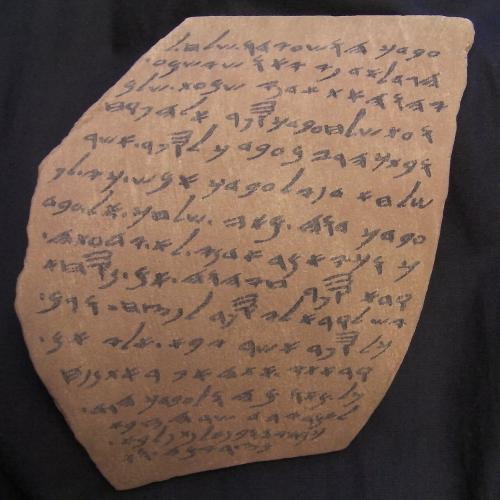
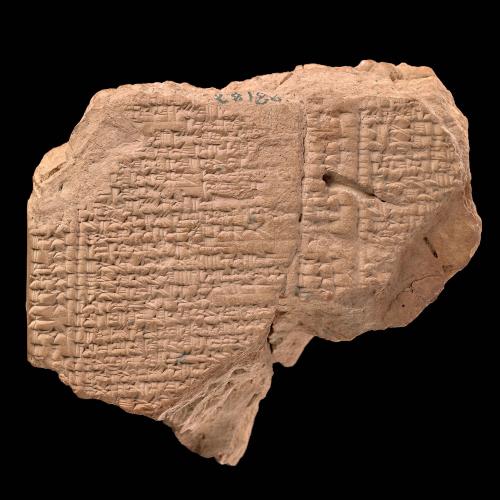
The Lachish letters are 21 Hebrew ostraca, letters written in ink on potsherds, 18 of them found in 1935 and three more in 1938 by James Leslie Starkey's expedition, most in a guardroom by the city gate of Lachish, in the burnt layer of the Babylonian conquest. Most were sent by a junior officer named Hoshaiah to Yaush, the commander at Lachish, as Nebuchadnezzar's army closed in. Letter 4 reports: "We are watching for the fire signals of Lachish according to all the signs my lord has given, for we cannot see Azekah." Letter 3 says that the army commander Coniah son of Elnathan had gone down to Egypt, and mentions a warning passed on through "the prophet."
The letters match Jeremiah 34:7, which says that Lachish and Azekah were the last fortified cities of Judah still holding out, and Letter 6 complains of letters from officials that "weaken the hands" of the people, the very phrase Jerusalem's princes used against Jeremiah (Jeremiah 38:4). Written in the paleo-Hebrew script, they are among the most vivid surviving examples of ancient Hebrew prose and are kept today in the British Museum and the Israel Museum.
- Hebrew year
- 3173 (ג׳קע״ג)
- Place
- Lachish
- Category
- Archaeology
- Part of
- Israel & Judah
At the same time
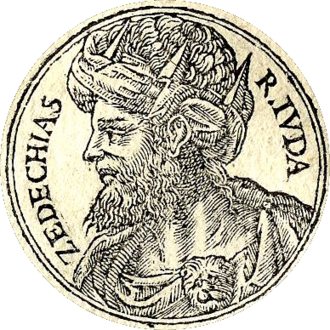 King Zedekiah (Judah)−597 – −586
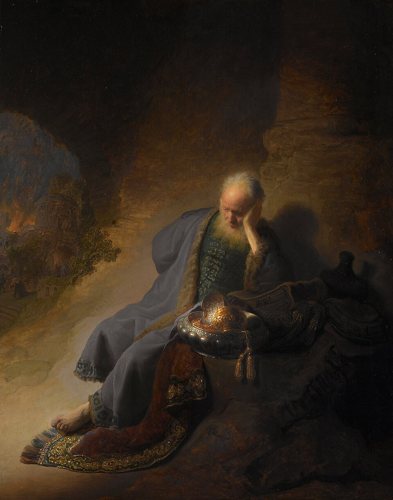 Prophet Jeremiah (Judah)−627 – −586
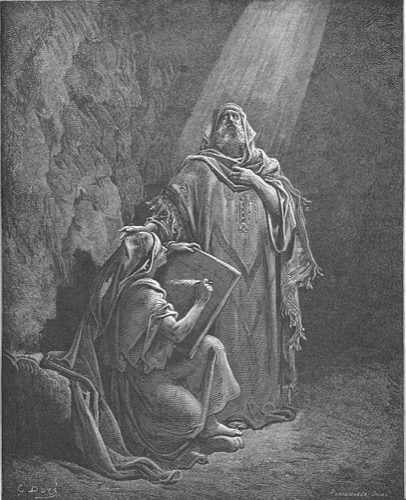 Baruch ben Neriah−605 – −570
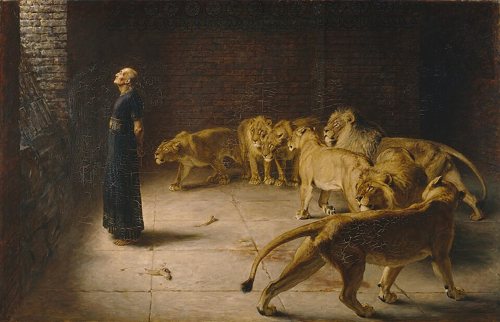 Book of Daniel (Exile)−605 – −503
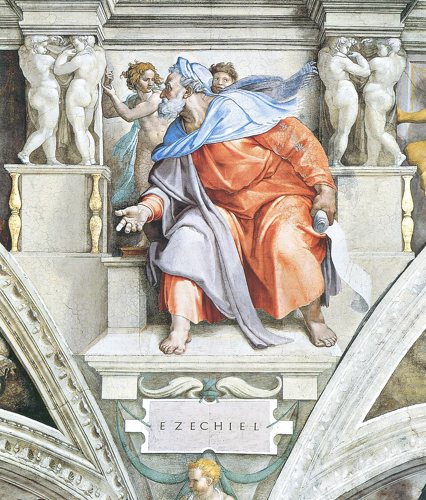 Prophet Ezekiel (Exile)−593 – −570
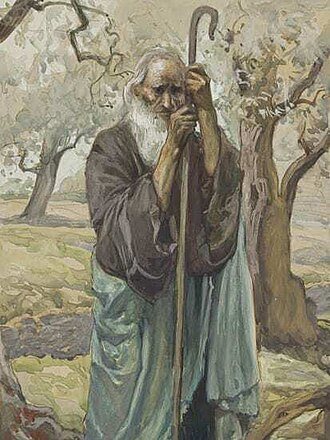 Prophet Obadiah (Judah)−590 – −570